x

 Oil On CanvasWallArtSurrealist Art
 1934Modern
 33.0 x 40.0 cm
Muziejų lygio „giclée“ arba drobos spausdinimas: greita gamyba ir lankstios apdailos parinktys. ( Perejti prie rankinio darbo paveikslėlio Perjungti į vaizdą)





























Pasirinkite iš mūsų nustatytų dydžių, atitinkančių originalaus meno kūrinio proporcijas.

Galite nurodyti savo matmenis, kad vaizdas atitiktų konkretų rėmą ar erdvę. Jei pasirinktas dydis nesutaps su originalaus paveikslėlio proporcijomis, mes arba apkirpsime kūrinį, arba išplėsime vaizdą naudojant veideliu atspindėtą arba vientisą šoną. Skaitmeninis maketas bus išsiųstas jums patvirtinti prieš pradedant gamybą.
Atkreipkite dėmesį, kad ekrane matomas vaizdinys neatspindi tikrojo apkirpimo ar išplėtimo. Tik maketas tiksliai parodytų galutinę kompoziciją.
Nors galima rinktis ir individualius dydžius, rekomenduojame pasirinkti vieną iš išanksti nustatytų matmenų, kad būtų išlaikytos originalios proporcijos.
Pristatymas visame pasaulyje () per 2 weeks, o ne įprastas 4/5 savaičių laikotarpis. (8 rugpjūtis)


A bullfight
Reprodukcijos matmenys
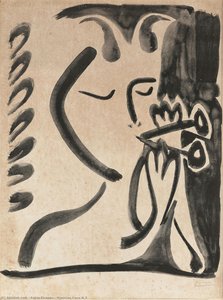
In the annals of twentieth-century modernism, few subjects resonate with as much primal intensity as the bullfight, and few artists captured its chaotic essence quite like Pablo Picasso. His 1934 masterpiece, "A Bullfight," is far more than a mere documentation of a Spanish spectacle; it is a profound exploration of the surrealist psyche. Measuring an intimate 33 x 40 cm, this oil on canvas serves as a window into a world where the boundaries between reality and dream dissolve. Picasso does not simply paint an event; he orchestrates a fever dream of movement, utilizing a fragmented perspective that forces the viewer to experience the frantic energy of the arena alongside the participants. The composition is a masterful dance of overlapping planes, where horses and men are woven into a tapestry of tension and release.
The palette of this work is intentionally audacious, departing from the naturalistic constraints of academic tradition to embrace an expressive, emotive spectrum. Picasso employs deep blues, earthy browns, and stark blacks to sculpt the forms of five prominent horses, each positioned at varying angles to suggest a whirlwind of activity. These colors are not chosen for their fidelity to life but for their ability to mirror the psychological fervor of the corrida. The human figures, rendered as stylized and often distorted silhouettes, appear vulnerable against the backdrop of the arena, emphasizing the existential struggle inherent in the confrontation between man and beast.
To gaze upon "A Bullfight" is to witness Picasso at the height of his technical experimentation with form. The artist utilizes a technique characterized by deliberate distortion—a hallmark of his surrealist period. By simplifying anatomical structures and exaggerating certain features, he creates an unsettling yet deeply compelling visual experience. His brushstrokes are bold and textured, imbuing the canvas with a palpable sense of life and urgency. This fracturing of form is not a lack of skill, but a sophisticated tool used to prioritize emotional impact over precise accuracy. Through this method, Picasso breaks down the physical world to reveal the underlying psychological states of his subjects.
The movement within the piece is relentless. The viewer's eye is led through a labyrinth of limbs and muscular tension, as the artist uses fluid, sweeping lines to represent the deadly dance between the matador and the bull. This gestural approach allows the painting to breathe with an authentic, unmediated energy, making the canvas feel less like a static object and more like a living, breathing entity. For the collector or the interior designer, this dynamic quality offers a centerpiece of unparalleled character, capable of injecting a sense of drama and intellectual depth into any sophisticated space.
Beyond its visual splendor, "A Bullfight" is steeped in profound symbolism that speaks to the universal human condition. For Picasso, the bull was often an alter ego—a symbol laden with ambiguity, representing everything from raw violence and eroticism to tragic victimhood. In this specific era of his work, the tension between the bull and the horse can be interpreted as a representation of polarities in life: good versus evil, or strength versus vulnerability. The arena itself becomes a stage for the elemental struggle of existence, where the courage of the individual is tested against the brute force of nature.
This painting invites a contemplative emotional response, evoking feelings of both excitement and melancholy. It captures that uniquely Spanish sentiment Picasso often described—a blend of passion and sadness. For those seeking to adorn their homes with art that transcends mere decoration, this reproduction offers an opportunity to possess a fragment of art history. It is a piece that demands engagement, offering endless layers of meaning for the discerning eye to uncover, making it an exquisite choice for anyone looking to inspire awe and provoke thought within their personal or professional environments.

1881 - 1973 , Ispanija
Atraskite 25 garsiausius Pablo Picasso šedevrus! Išsami analizė, istorijos ir meno stiliai – kubizmas, abstrakcionizmas ir kt. Įkvėpkite interjerui su aukštos kokybės reprodukcijomis. Explore the full collection online!
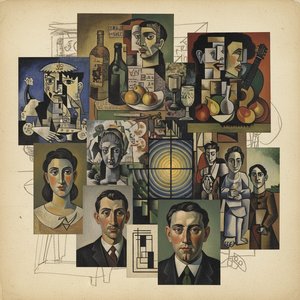
Explore 10 Cubist masterpieces by Picasso, Braque & more! Delve into the history of this revolutionary art movement. Find museum-quality reproductions and elevate your home decor with Most-Famous-Paintings. Discover all masterpieces on Most-Famous-Paintings.com

Explore 10 Cubist masterpieces by Picasso, Braque & more! Discover the stories behind these revolutionary paintings and their impact on modern art. Find museum-quality reproductions for your home at Most-Famous-Paintings.com – where art comes to life.
Atraskite 25 įspūdingiausius René Magritte kūrinius! Sužinokite apie siurrealizmo meistro paveikslų istoriją, techniką ir įkvėpimą. Meno reprodukcijos jūsų interjerui – Most-Famous-Paintings.com. Explore the full collection online!

Discover exquisite handmade oil painting reproductions & custom portraits crafted by skilled artists. Elevate your space with museum-quality art – affordable luxury, guaranteed authenticity & expert consultation.


Sekite naujausias meno naujienas, išskirtinius pasiūlymus ir dekoravimo idėjas.
Pasakokite mums apie savo projektą, o mūsų meno ekspertai parengs jums 3 asmeniškus meno pasiūlymus.
Leiskite mums parinkti 3 variantus būtent jums – nemokamai!


 Peržiūrėti realybėje
 Pasidalinti
 Dalintis
 Išsamiau

 Atsisiųsti
 Panašūs eksponatai
 Rentgeno nuotrauka
 Automatinė diorama
 Skaityti daugiau







 Stiklo variantas prieinamas tik pasirinkus dydį iki 110 cm