x


 Preview
 Užsisakyti kopiją Pirkti skaitmeninį paveikslą
 Pasidalinti
 Išsamiau
 Pridėti į mėgstamiausius
 Atsisiųsti
 Panašūs eksponatai
 Rentgeno nuotrauka
 Automatinė diorama
Muziejų lygio „giclée“ arba drobos spausdinimas: greita gamyba ir lankstios apdailos parinktys.





























Pasirinkite iš mūsų nustatytų dydžių, atitinkančių originalaus meno kūrinio proporcijas.

Galite nurodyti savo matmenis, kad vaizdas atitiktų konkretų rėmą ar erdvę. Jei pasirinktas dydis nesutaps su originalaus paveikslėlio proporcijomis, mes arba apkirpsime kūrinį, arba išplėsime vaizdą naudojant veideliu atspindėtą arba vientisą šoną. Skaitmeninis maketas bus išsiųstas jums patvirtinti prieš pradedant gamybą.
Atkreipkite dėmesį, kad ekrane matomas vaizdinys neatspindi tikrojo apkirpimo ar išplėtimo. Tik maketas tiksliai parodytų galutinę kompoziciją.
Nors galima rinktis ir individualius dydžius, rekomenduojame pasirinkti vieną iš išanksti nustatytų matmenų, kad būtų išlaikytos originalios proporcijos.
Pristatymas visame pasaulyje () per 2 weeks, o ne įprastas 4/5 savaičių laikotarpis. (25 liepa)


Cavalier with Pipe
Reprodukcijos matmenys
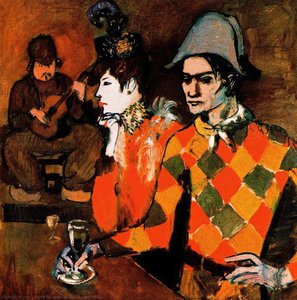
Pablo Picasso's “Cavalier with Pipe,” painted in 1943, stands as a testament to the enduring power of Cubism and Picasso’s masterful ability to distill complex emotion into deceptively simple forms. This artwork isn’t merely a depiction of a man seated calmly smoking; it’s an invitation into Picasso's meticulously constructed world where perspective is fractured, and reality reimagined.
Painted during World War II, “Cavalier with Pipe” reflects Picasso’s preoccupation with themes of anxiety and displacement – sentiments prevalent in European art circles at the time. The artwork emerged from Picasso's exploration of Synthetic Cubism, a departure from Analytical Cubism which focused on dissecting objects into constituent parts. This new approach prioritized color and decorative elements, aiming to capture not just what an object *looks* like but also how it *feels*. Picasso’s influence extends far beyond the confines of his own era; he fundamentally altered the trajectory of modern art, inspiring generations of artists to experiment with abstraction and challenging established artistic conventions.
Beyond its formal innovations, “Cavalier with Pipe” possesses a subtle symbolic depth. The pipe itself—a recurring motif in Picasso’s oeuvre—can be interpreted as representing contemplation, resilience, and perhaps even defiance against adversity. The blue dress worn by the cavalier contributes to an atmosphere of calm amidst chaos, hinting at inner peace despite external pressures. Picasso's masterful use of color and composition evokes a feeling of quiet introspection, inviting viewers to contemplate the complexities of human experience.
A high-quality reproduction of “Cavalier with Pipe” captures the essence of Picasso’s artistic vision. Most-Famous-Paintings offers meticulously crafted reproductions that faithfully recreate the artwork's textures and tonal nuances, allowing collectors and interior designers alike to appreciate its beauty and intellectual significance. Bringing this iconic piece into your home transforms it from a mere image onto canvas into an embodiment of Cubist innovation and enduring artistic legacy.


1881 - 1973 , Ispanija
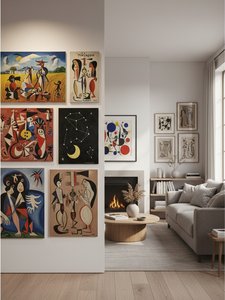
Atraskite 25 įspūdingiausius Džoano Miro kūrinius! Sužinokite apie jo surrealizmą, spalvingus paveikslus ir katalonų meninę viziją. Meno reprodukcijos jūsų interjerui – Most-Famous-Paintings.com
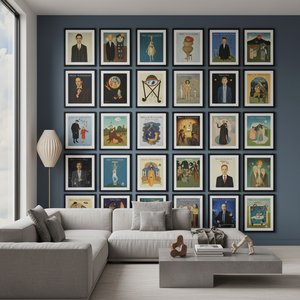
Atraskite 25 įspūdingiausius René Magritte kūrinius! Sužinokite apie siurrealizmo meistro paveikslų istoriją, techniką ir įkvėpimą. Meno reprodukcijos jūsų interjerui – Most-Famous-Paintings.com. Explore the full collection online!
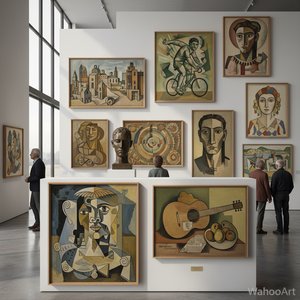
Atraskite 10 legendinių kubizmo šedevrų! Pažinkite Picassą, Braką ir kitus menininkus. Sužinokite apie spalvas, stilių bei meno istoriją. Aukštos kokybės dailės reprodukcijos jūsų interjerui – Most-Famous-Paintings.com.

Paverskite savo prisiminimus į išskirtinius rankomis tapytus aliejaus paveikslus su Most-Famous-Paintings! Kokybė, meistriškumas ir individualus požiūris. Užsisakykite dabar ir sukurkite amžiną meno kūrinį.
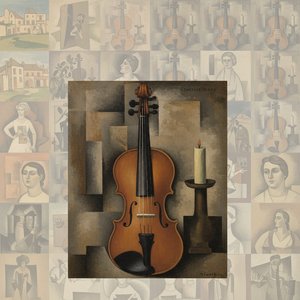
Atraskite 25 Georges Braque šedevrus! Kubizmo meistro paveikslai, interjero dekoras ir meno istorija. Meno reprodukcijos aukščiausia kokybe – Most-Famous-Paintings.com. Išsamesnės informacijos rasite internetu.


Sekite naujausias meno naujienas, išskirtinius pasiūlymus ir dekoravimo idėjas.
Pasakokite mums apie savo projektą, o mūsų meno ekspertai parengs jums 3 asmeniškus meno pasiūlymus.
Leiskite mums parinkti 3 variantus būtent jums – nemokamai!


 Dalintis


 Skaityti daugiau







 Stiklo variantas prieinamas tik pasirinkus dydį iki 110 cm