x


 Preview
 Užsisakyti kopiją Pirkti skaitmeninį paveikslą
 Pasidalinti
 Išsamiau
 Pridėti į mėgstamiausius
 Atsisiųsti
 Panašūs eksponatai
 Rentgeno nuotrauka
 Automatinė diorama
 Oil On CanvasWallArtSurrealism
 1937Modern
 46.0 x 55.0 cm
Muziejų lygio „giclée“ arba drobos spausdinimas: greita gamyba ir lankstios apdailos parinktys.





























Pasirinkite iš mūsų nustatytų dydžių, atitinkančių originalaus meno kūrinio proporcijas.

Galite nurodyti savo matmenis, kad vaizdas atitiktų konkretų rėmą ar erdvę. Jei pasirinktas dydis nesutaps su originalaus paveikslėlio proporcijomis, mes arba apkirpsime kūrinį, arba išplėsime vaizdą naudojant veideliu atspindėtą arba vientisą šoną. Skaitmeninis maketas bus išsiųstas jums patvirtinti prieš pradedant gamybą.
Atkreipkite dėmesį, kad ekrane matomas vaizdinys neatspindi tikrojo apkirpimo ar išplėtimo. Tik maketas tiksliai parodytų galutinę kompoziciją.
Nors galima rinktis ir individualius dydžius, rekomenduojame pasirinkti vieną iš išanksti nustatytų matmenų, kad būtų išlaikytos originalios proporcijos.
Pristatymas visame pasaulyje () per 2 weeks, o ne įprastas 4/5 savaičių laikotarpis. (27 liepa)


Minotaur is wounded
Reprodukcijos matmenys
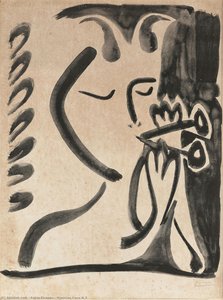
Pablo Picasso's "Minotaur is Wounded," painted in 1937, stands as a cornerstone of Surrealist art—a testament to the movement’s audacious ambition to fuse the subconscious with reality. More than just an image, it’s a carefully constructed narrative that wrestles with themes of power, pain, and the inescapable fragility inherent within strength. Executed in oil on canvas measuring 46 x 55 cm, this artwork immediately captivates viewers with its unsettling juxtaposition of figures and landscapes—a hallmark of Picasso's distinctive vision.
Born in Málaga, Spain, Pablo Ruiz y Picasso (1881-1973) emerged as a revolutionary force in the art world. Influenced by Nietzsche’s philosophy and captivated by Freud's psychoanalytic theories, Surrealism sought to liberate artistic expression from rational constraints. Artists like Picasso deliberately disrupted conventional perspectives, inviting audiences into realms of dreamlike imagery and irrational association—a deliberate challenge to accepted notions of truth.
The painting depicts a woman seated in a boat alongside two other women, creating an atmosphere of palpable tension. The central figure is nude, embodying vulnerability against the backdrop of turbulent waters and scattered boats—a deliberate echo of classical mythology. A third woman appears partially obscured, adding to the enigmatic quality of the scene. Picasso’s masterful use of Cubist techniques—fragmentation, multiple viewpoints—further enhances this sense of disorientation, mirroring the fractured psyche explored by Surrealists.
Picasso's fascination with Greek mythology is evident throughout his oeuvre, and “Minotaur is Wounded” centers on this iconic beast. Traditionally representing primal aggression and inescapable doom, the Minotaur embodies both destructive force and profound vulnerability—a duality that Picasso skillfully portrays. By depicting it as wounded, he subtly interrogates the notion of invincibility, suggesting that even the most formidable figures are susceptible to suffering.
"Minotaur is Wounded" transcends mere visual depiction; it’s an emotional journey into the subconscious. Picasso's expressive brushstrokes convey a palpable sense of unease and sorrow, mirroring the anxieties of his time—a period marked by political turmoil and impending war. The painting compels viewers to confront uncomfortable truths about human nature and the inescapable presence of pain—leaving an indelible impression on anyone who contemplates its unsettling beauty.


1881 - 1973 , Ispanija

Atraskite 25 garsiausius Pablo Picasso šedevrus! Išsami analizė, istorijos ir meno stiliai – kubizmas, abstrakcionizmas ir kt. Įkvėpkite interjerui su aukštos kokybės reprodukcijomis. Explore the full collection online!
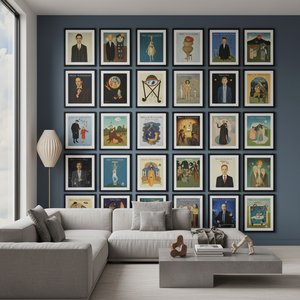
Atraskite 25 įspūdingiausius René Magritte kūrinius! Sužinokite apie siurrealizmo meistro paveikslų istoriją, techniką ir įkvėpimą. Meno reprodukcijos jūsų interjerui – Most-Famous-Paintings.com. Explore the full collection online!

Atraskite 25 įspūdingiausius Metropoliteno meno muziejaus kūrinius! Claude Monet, van Gogh ir kiti meistrai – paveikslų istorijos, spalvų paletės bei interjero dekoravimo idėjos. Meno reprodukcijos aukščiausia kokybe Most-Famous-Paintings.com
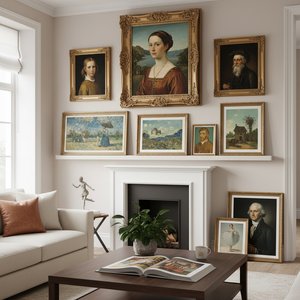
Atraskite 25 Nacionalinės galerijos meno perlus! Išsami istorija apie Monet, Picasso ir kitų žymiausių dailininkų kūrinius. Įkvėpimo interjerui ir aukštos kokybės meno reprodukcijos – Most-Famous-Paintings.com

Atraskite 25 ikoniškus MoMA meno kūrinius! Van Goghas, Picasso ir Warhol – gilinkitės į modernaus meno istoriją. Aukštos kokybės reprodukcijos jūsų interjerui | Most-Famous-Paintings.com


Sekite naujausias meno naujienas, išskirtinius pasiūlymus ir dekoravimo idėjas.
Pasakokite mums apie savo projektą, o mūsų meno ekspertai parengs jums 3 asmeniškus meno pasiūlymus.
Leiskite mums parinkti 3 variantus būtent jums – nemokamai!


 Dalintis

 Skaityti daugiau







 Stiklo variantas prieinamas tik pasirinkus dydį iki 110 cm