x

 Preview
 Užsisakyti kopiją Pirkti skaitmeninį paveikslą
 Pasidalinti
 Išsamiau
 Pridėti į mėgstamiausius
 Atsisiųsti
 Panašūs eksponatai
 Rentgeno nuotrauka
 Automatinė diorama
Muziejų lygio „giclée“ arba drobos spausdinimas: greita gamyba ir lankstios apdailos parinktys.





























Pasirinkite iš mūsų nustatytų dydžių, atitinkančių originalaus meno kūrinio proporcijas.

Galite nurodyti savo matmenis, kad vaizdas atitiktų konkretų rėmą ar erdvę. Jei pasirinktas dydis nesutaps su originalaus paveikslėlio proporcijomis, mes arba apkirpsime kūrinį, arba išplėsime vaizdą naudojant veideliu atspindėtą arba vientisą šoną. Skaitmeninis maketas bus išsiųstas jums patvirtinti prieš pradedant gamybą.
Atkreipkite dėmesį, kad ekrane matomas vaizdinys neatspindi tikrojo apkirpimo ar išplėtimo. Tik maketas tiksliai parodytų galutinę kompoziciją.
Nors galima rinktis ir individualius dydžius, rekomenduojame pasirinkti vieną iš išanksti nustatytų matmenų, kad būtų išlaikytos originalios proporcijos.
Pristatymas visame pasaulyje () per 2 weeks, o ne įprastas 4/5 savaičių laikotarpis. (24 liepa)


Nude
Reprodukcijos matmenys
Pablo Picasso's “Nude” is not merely a depiction of the human form; it’s an exploration of introspection, a moment captured in time that resonates with a profound sense of melancholy and contemplation. Painted during his pivotal Cubist period, this work exemplifies Picasso’s radical departure from traditional representational art, offering instead a fragmented yet powerfully evocative portrait of a woman seated with her head bowed, lost in thought. The painting's power lies not just in its subject matter – the nude is a recurring motif throughout Picasso’s oeuvre – but in the artist’s masterful manipulation of space and form to convey an intensely personal emotional state.
Created around 1909-1910, “Nude” firmly establishes Picasso within the burgeoning Cubist movement. Rejecting single viewpoints, he presents the figure through multiple perspectives simultaneously, fracturing her body into geometric shapes – sharp angles of the chair, overlapping planes of the torso, and distorted limbs. This technique wasn’t simply an aesthetic choice; it reflected a broader philosophical shift, mirroring the idea that reality itself is subjective and can be perceived in countless ways. The deliberate distortion serves to heighten the emotional impact, forcing the viewer to actively engage with the image and reconstruct its meaning.
The woman’s posture – seated with her head bowed, hands gently resting on her head – immediately evokes a sense of vulnerability and quiet sadness. This isn't a celebratory depiction of the nude; it’s an intimate portrait of someone grappling with internal thoughts or perhaps mourning a loss. The ambiguity surrounding her gaze—directed into the distance—further amplifies this feeling, inviting viewers to project their own emotions onto the canvas. The influence of Picasso’s personal tragedies – the early deaths of his sister and other loved ones – undoubtedly informed this emotional depth.
“Nude” stands as a cornerstone in Picasso's artistic development and a pivotal work within the history of modern art. It demonstrates his willingness to challenge established conventions, paving the way for subsequent movements like Futurism and Constructivism. Reproductions of this piece offer an unparalleled opportunity to experience firsthand the genius of one of the 20th century’s most influential artists. Most-Famous-Paintings offers meticulously crafted hand-painted reproductions that capture not only the visual details but also the emotional essence of this iconic work, ensuring a timeless addition to any art collection or interior space.

1881 - 1973 , Ispanija

Explore the captivating world of 1920s art! Discover Art Deco's glamour, Modernism’s impact & iconic artists like Tamara de Lempicka. Museum-quality reproductions at Most-Famous-Paintings.

Navigate the abstract art market with confidence! Expert guidance on investment strategies, authentication, valuation & building a valuable collection. Discover key artists and maximize your returns.
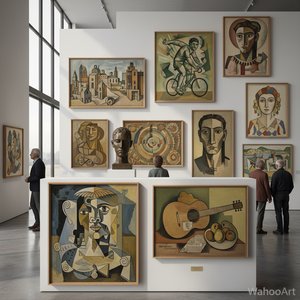
Atraskite 10 legendinių kubizmo šedevrų! Pažinkite Picassą, Braką ir kitus menininkus. Sužinokite apie spalvas, stilių bei meno istoriją. Aukštos kokybės dailės reprodukcijos jūsų interjerui – Most-Famous-Paintings.com.

Explore 10 Cubist masterpieces by Picasso, Braque & more! Discover the stories behind these revolutionary paintings and their impact on modern art. Find museum-quality reproductions for your home at Most-Famous-Paintings.com – where art comes to life.
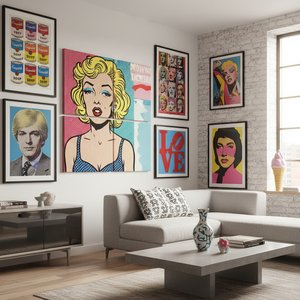
Atraskite 10 ikoniškų Pop Art šedevrų! Andy Warhol, Roy Lichtenstein ir kiti menininkai, kurie pakeitė meno istoriją. Įkvėpkite interjero dekorui su spalvingomis reprodukcijomis. Most-Famous-Paintings.com – aukštos kokybės paveikslai internetu.


Sekite naujausias meno naujienas, išskirtinius pasiūlymus ir dekoravimo idėjas.
Pasakokite mums apie savo projektą, o mūsų meno ekspertai parengs jums 3 asmeniškus meno pasiūlymus.
Leiskite mums parinkti 3 variantus būtent jums – nemokamai!


 Dalintis


 Skaityti daugiau







 Stiklo variantas prieinamas tik pasirinkus dydį iki 110 cm