x

Rankiniu būdu tapytas aliejus ant droblio jūsų pageidaujamame dydį ir rėmuose – mūsų menininkų darbas pagal užsakymą. ( Pirkti spaudinį Pirkti vaizdą)





























Pasirinkite iš mūsų nustatytų dydžių, atitinkančių originalaus meno kūrinio proporcijas.

Galite įvesti savo matmenis, kad jie atitiktų konkretų rėmą ar erdvę. Jei pasirinktas dydis neatitinka originalaus paveikslėlio proporcijų, mes arba apkropsime meno kūrinį, arba papildysime tapybą rankomis dažytい elementais. Prieš pradėdami gamybą, jūsų patvirtinimui atsiųsime skaitmeninį maketą.
Atkreipkite dėmesį, kad ekrane rodomas vaizdas neatspindi tikrojo apkarpymo ar papildymo. Tik maketas tiksliai parodys galutinę kompoziciją.
Nors galima rinktis ir individualius dydžius, rekomenduojame pasirinkti matmenis iš nustatytos sąrašo, kad būtų išlaikytos originalios proporcijos.
Pristatymas visame pasaulyje () per 3–4 savaites, o ne įprastai – per 5 savaites. (18 rugpjūtis). Kokybė lieka nepakeičiama.


Seated man 2
Reprodukcijos matmenys
Pablo Picasso’s “Seated Man 2,” painted in Paris between 1915 and 16 during the height of his Cubist experimentation, transcends mere representation; it delves into the complexities of perception itself. This watercolor and opaque watercolor on paper captures a solitary figure—likely Picasso himself—seated thoughtfully amidst two simple chairs, embodying the core tenets of this groundbreaking artistic movement.
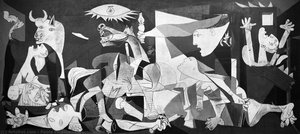
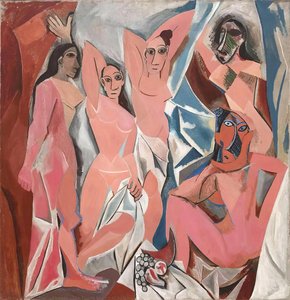
Cubism, spearheaded by Picasso alongside Georges Braque, fundamentally challenged traditional Western art conventions. Rejecting illusionistic depth and perspective, Cubists dissected objects into geometric fragments – cubes, cylinders, cones – presenting multiple viewpoints simultaneously on a single canvas. “Seated Man 2” exemplifies this approach brilliantly. The figure’s torso is fractured into planes of color and texture, mirroring the fragmentation of reality as experienced by the artist.
Beyond its formal innovation, “Seated Man 2” resonates with profound symbolic significance. The chair represents stability and contemplation—a deliberate contrast to the fractured form of the figure. This juxtaposition invites viewers to consider the relationship between inner thought and external surroundings. Picasso’s masterful use of color – muted blues and ochres – contributes to an atmosphere of quiet introspection, mirroring the sitter's gaze.
The painting’s emotional impact is subtle yet powerful. It speaks to themes of solitude, contemplation, and perhaps even melancholy—elements frequently explored by Picasso throughout his oeuvre. “Seated Man 2” isn’t merely a depiction of a person; it’s an exploration of the human condition itself, rendered with remarkable precision and artistic vision.
A reproduction from Most-Famous-Paintings.com offers unparalleled quality – capturing the nuances of Picasso's technique and conveying the artwork’s contemplative spirit. Ideal for interior design or as a cherished piece of art history, this vibrant image allows you to experience the legacy of Cubism firsthand.


1881 - 1973 , Ispanija

Explore the revolutionary world of Cubism. Discover how masters Pablo Picasso and Georges Braque dismantled reality through geometric abstraction to redefine modern art history.

Explore the revolutionary world of Cubism. Discover how Pablo Picasso and Georges Braque dismantled perspective to redefine modern art through geometric innovation and analytical mastery. An essential guide for art students, collectors, and history enthusiasts.

Master the complexities of Cubism with our expert guide. Explore how Picasso and Braque revolutionized modern art through fragmentation, multiple perspectives, and geometric innovation. Perfect for art students and collectors seeking deep historical insight.

Master the complexities of Analytical Cubism with our expert guide. Explore how Picasso and Braque revolutionized art through fragmented perspectives, geometric deconstruction, and simultaneous viewpoints. A definitive resource for art students and collectors seeking deep historical insight.


Sekite naujausias meno naujienas, išskirtinius pasiūlymus ir dekoravimo idėjas.
Pasakokite mums apie savo projektą, o mūsų meno ekspertai parengs jums 3 asmeniškus meno pasiūlymus.
Leiskite mums parinkti 3 variantus būtent jums – nemokamai!


 Peržiūrėti realybėje
 Pasidalinti
 Dalintis
 Išsamiau

 Atsisiųsti
 Panašūs eksponatai
 Rentgeno nuotrauka
 Automatinė diorama
 Skaityti daugiau







 Stiklo variantas prieinamas tik pasirinkus dydį iki 110 cm