x

 Acrylic On CanvasWallArtCubist Revolution
 1947
1947 50.0 x 75.0 cm
 Museu do Caramulo
Rankiniu būdu tapytas aliejus ant droblio jūsų pageidaujamame dydį ir rėmuose – mūsų menininkų darbas pagal užsakymą. ( Pirkti spaudinį Pirkti vaizdą)





























Pasirinkite iš mūsų nustatytų dydžių, atitinkančių originalaus meno kūrinio proporcijas.

Galite įvesti savo matmenis, kad jie atitiktų konkretų rėmą ar erdvę. Jei pasirinktas dydis neatitinka originalaus paveikslėlio proporcijų, mes arba apkropsime meno kūrinį, arba papildysime tapybą rankomis dažytい elementais. Prieš pradėdami gamybą, jūsų patvirtinimui atsiųsime skaitmeninį maketą.
Atkreipkite dėmesį, kad ekrane rodomas vaizdas neatspindi tikrojo apkarpymo ar papildymo. Tik maketas tiksliai parodys galutinę kompoziciją.
Nors galima rinktis ir individualius dydžius, rekomenduojame pasirinkti matmenis iš nustatytos sąrašo, kad būtų išlaikytos originalios proporcijos.
Pristatymas visame pasaulyje () per 3–4 savaites, o ne įprastai – per 5 savaites. (15 rugpjūtis). Kokybė lieka nepakeičiama.


Still life
Reprodukcijos matmenys
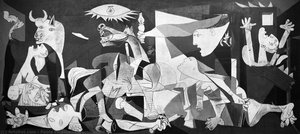
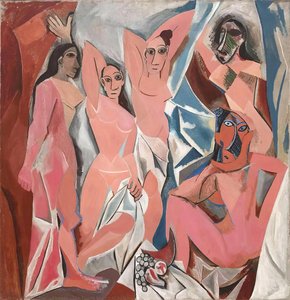
Pablo Picasso’s “Still Life,” painted in 1947, stands as a quintessential embodiment of Cubist principles and a poignant meditation on the passage of time. More than just an arrangement of objects—a skull, bowl of fruit, cutlery, book, and clock—it's a deliberate disruption of traditional artistic conventions designed to provoke contemplation and challenge viewers’ perceptions.
“Still Life” exemplifies the core tenets of Cubism, a movement born from Picasso and Braque’s collaborative exploration of geometric abstraction. Rejecting illusionistic representation—the pursuit of accurately depicting three-dimensional space—Cubists sought to capture the essence of an object by dissecting it into fragmented forms and reconstructing them from multiple perspectives.
Beyond its formal innovations, “Still Life” carries profound symbolic weight. The skull serves as a stark reminder of mortality—a recurring motif in Picasso's oeuvre—while the clock reinforces the theme of time’s relentless march forward. Together, these elements invite viewers to consider existential questions about life, death, and the nature of perception.
"Still Life" solidified Picasso’s position as a pioneer of modern art, influencing generations of artists who followed. Its enduring appeal lies in its ability to simultaneously celebrate artistic ingenuity and grapple with fundamental human concerns—a testament to Picasso's profound understanding of both form and emotion.


1881 - 1973 , Ispanija

Explore the revolutionary world of Cubism. Discover how masters Pablo Picasso and Georges Braque dismantled reality through geometric abstraction to redefine modern art history.

Explore the opulent world of Erté and Art Deco. Discover how Romain de Tirtoff defined an era through geometric elegance, fashion illustration, and theatrical design. A deep dive into the history of 20th-century glamour for art lovers and collectors.


Sekite naujausias meno naujienas, išskirtinius pasiūlymus ir dekoravimo idėjas.
Pasakokite mums apie savo projektą, o mūsų meno ekspertai parengs jums 3 asmeniškus meno pasiūlymus.
Leiskite mums parinkti 3 variantus būtent jums – nemokamai!


 Peržiūrėti realybėje
 Pasidalinti
 Dalintis
 Išsamiau

 Atsisiųsti
 Panašūs eksponatai
 Rentgeno nuotrauka
 Automatinė diorama
 Skaityti daugiau







 Stiklo variantas prieinamas tik pasirinkus dydį iki 110 cm