x

Muziejų lygio „giclée“ arba drobos spausdinimas: greita gamyba ir lankstios apdailos parinktys. ( Pirkti rankomis tapytą paveikslą Pirkti vaizdą)





























Pasirinkite iš mūsų nustatytų dydžių, atitinkančių originalaus meno kūrinio proporcijas.

Galite nurodyti savo matmenis, kad vaizdas atitiktų konkretų rėmą ar erdvę. Jei pasirinktas dydis nesutaps su originalaus paveikslėlio proporcijomis, mes arba apkirpsime kūrinį, arba išplėsime vaizdą naudojant veideliu atspindėtą arba vientisą šoną. Skaitmeninis maketas bus išsiųstas jums patvirtinti prieš pradedant gamybą.
Atkreipkite dėmesį, kad ekrane matomas vaizdinys neatspindi tikrojo apkirpimo ar išplėtimo. Tik maketas tiksliai parodytų galutinę kompoziciją.
Nors galima rinktis ir individualius dydžius, rekomenduojame pasirinkti vieną iš išanksti nustatytų matmenų, kad būtų išlaikytos originalios proporcijos.
Pristatymas visame pasaulyje () per 2 weeks, o ne įprastas 4/5 savaičių laikotarpis. (18 rugpjūtis)


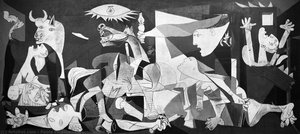
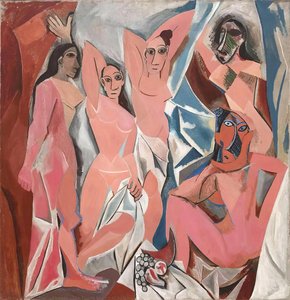
The Meona
Reprodukcijos matmenys
Pablo Picasso's “The Meona,” a captivating depiction of a woman enjoying the tranquility of the Mediterranean shore, stands as a testament to his masterful ability to distill emotion and atmosphere onto canvas. Painted sometime between 1923 and 1924 during Picasso’s prolific period in Antibes, France—a location that profoundly influenced his artistic output—the artwork embodies the spirit of Surrealism while retaining elements of Picasso's signature Cubist style.
Historical Context: Picasso's Antibes years coincided with a burgeoning Surrealist movement, spearheaded by André Breton and featuring artists like René Magritte and Joan Miró. While Picasso himself resisted categorization as a Surrealist, he undeniably absorbed influences from the movement’s exploration of dreamlike imagery and subconscious associations. The painting reflects this broader artistic dialogue, subtly hinting at psychological depth beneath its seemingly simple surface.
Symbolism & Emotional Impact: Beyond its visual representation, “The Meona” resonates with deeper symbolic meanings. The woman's gaze directs the viewer’s attention outwards, symbolizing introspection and contemplation amidst the beauty of nature. The towel draped around her waist serves as a grounding element, anchoring her presence in the physical world while simultaneously suggesting vulnerability and repose. Picasso skillfully captures not just what is seen but also what is felt—a poignant meditation on solitude, serenity, and the restorative power of natural surroundings.
Conclusion: “The Meona” exemplifies Picasso’s enduring legacy as an artist who dared to challenge conventions and prioritize emotional expression. Its masterful composition, vibrant color palette, and evocative symbolism continue to captivate audiences today, cementing its place as one of Picasso's most cherished landscapes—a timeless reminder of the beauty found in quiet moments of contemplation.


1881 - 1973 , Ispanija

Explore the revolutionary world of Cubism. Discover how masters Pablo Picasso and Georges Braque dismantled reality through geometric abstraction to redefine modern art history.

Explore the revolutionary world of Cubism. Discover how Pablo Picasso and Georges Braque dismantled perspective to redefine modern art through geometric innovation and analytical mastery. An essential guide for art students, collectors, and history enthusiasts.

Master the complexities of Cubism with our expert guide. Explore how Picasso and Braque revolutionized modern art through fragmentation, multiple perspectives, and geometric innovation. Perfect for art students and collectors seeking deep historical insight.

Master the complexities of Analytical Cubism with our expert guide. Explore how Picasso and Braque revolutionized art through fragmented perspectives, geometric deconstruction, and simultaneous viewpoints. A definitive resource for art students and collectors seeking deep historical insight.


Sekite naujausias meno naujienas, išskirtinius pasiūlymus ir dekoravimo idėjas.
Pasakokite mums apie savo projektą, o mūsų meno ekspertai parengs jums 3 asmeniškus meno pasiūlymus.
Leiskite mums parinkti 3 variantus būtent jums – nemokamai!


 Peržiūrėti realybėje
 Pasidalinti
 Dalintis
 Išsamiau

 Atsisiųsti
 Panašūs eksponatai
 Rentgeno nuotrauka
 Automatinė diorama
 Skaityti daugiau







 Stiklo variantas prieinamas tik pasirinkus dydį iki 110 cm