x

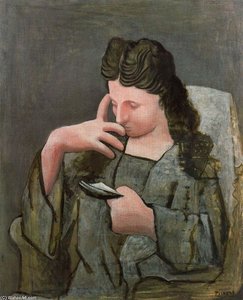
 Acrylic On CanvasWallArtCubist Style
 1919Modern
 28.0 x 26.0 cm
Įsigykite aukštos skiriamosios raiškos, patobulintą skaitmeninį vaizdą, gerokai pranašesnį už internetinę peržiūrą.
Kiekvieną failą mūsų specialistai kruopščiai paruošia naudojant pažangias technologijas ir profesionalų rankinį retušavimą. Užtikriname, kad kiekvienas vaizdas pasižymėtų išskirtiniu aiškumu, tikslia spalvų atspalviu ir smulkiomis detalėmis.
Baigiamas failas el. paštu pristatomas per 72 valandas; jis optimizuotas nedelsiant naudojimui profesionalioje, redakcinėje ir spausdinimo aplinkoje. Tai ta pati kokybė, kuria pasitiki aukščiausios klasės dizaino studijos, leidyklos ir galerijos.
Atsisiųskite didelės raiškos failą asmeniniam naudojimui, spausdinimui ir kūrybiniams projektams. ( Pirkti spaudinį Pirkti rankomis tapytą paveikslą)
Pasirinkę Most-Famous-Paintings.com, jūs ne tik gaunate paveikslėlį – jūs gaunate profesionaliai patobudintą skaitmeninį kūrinį, sukurtą itin tikniai ir užtikrinantį pasitenkinimą. Štai viską, kas automatiškai pritékia jūsų užsakymui:

Jūsų aukštos raiškos skaitmeninis vaizdo failas bus išsiųstas jums el. paštu per 72 valaudas nuo užsakymo – paruoštas naudojimui be jokių papildomų veiksmų.

Jūsų meno kūrinys profesionaliai optimizuojamas naudojant pažangius dirbtinio intelekto įrankius ir rankinį redagavimą, užtikrinant maksimalią detalę, aiškumą ir spalvų tikslumą.

Atsitiktinai ištrytikote ar praradote savo failą? Nebijokite – bet kuriuo metu atsiųsime jį jums vėl nemokamai.

Mėgaukitės savo meno kūriniu akimirka – skaitiniai failai visada yra neapmokestinami, todėl nereikės mokėti muitinės, mokesčių ar pristatymo mokesčių.

Naudodami profesionalią įrangą ir spalvų valdymo sistemas, užtikriname, kad jūsų skaitmeninis vaizdas kuo tiksliau atspindėtų originalias spalvas.

Jei nebuvate patenkinti savo skaitinio vaizdo, per 60 dienų jį pertaisysime arba grąkinsime 100% sumą – be jokių klausimų.

Nepat 만족inti? Gaukite visą sumokėtą sumą per 60 dienų nuo skaitmeninio failo gavimo – be jokių papildomų klausimų.

Pirkti 3 nuotraukas – pasiūla 10% - Pirkti 5 – pasiūla 15% - Pirkti 10 ir daugiau – pasiūla 20%. Puikiai tinka kūrybiniams projektams, galerijoms bei agentūroms.
Pablo Picasso's "Tricorne (study)," created in 1919, offers an intimate look into the creative process of a master. This delicate pencil drawing, measuring just 28 x 26 cm, isn’t a finished work intended for grand display; rather, it is a preparatory sketch brimming with energy and anticipation. It serves as a vital stepping stone towards Picasso's larger involvement in the world of ballet, specifically his designs for Sergei Diaghilev’s Ballets Russes production of Manuel de Falla’s “El sombrero de tres picos” – or "The Three-Cornered Hat." The drawing reveals Picasso grappling with composition and character, distilling a vibrant theatrical vision onto paper with remarkable economy.
To understand the significance of this study, one must consider its context. Following World War I, Picasso found himself increasingly drawn to stage design, collaborating with Diaghilev, a visionary impresario known for pushing artistic boundaries. The Ballets Russes were renowned for their innovative choreography and lavish productions, and Picasso’s involvement brought a revolutionary aesthetic to the company. “Tricorne” wasn't simply about illustrating a story; it was an opportunity to reimagine Spanish culture through a Cubist lens. The sketch depicts figures – both human and equine – clustered around what appears to be a central platform or table within an architectural space defined by arches. The composition, while employing perspective, isn’t rigidly adhered to, creating a slightly flattened effect that hints at the stylized world Picasso was building for the ballet. This deliberate distortion is characteristic of his evolving style, moving beyond strict Cubist fragmentation towards a more fluid and expressive form.
The power of “Tricorne (study)” lies not in color, but in its masterful use of line and tone. Executed entirely in black and white, Picasso relies on variations in line weight – from bold outlines to delicate shading – to define form and create a sense of depth. The technique is reminiscent of his earlier sketches, yet infused with the burgeoning stylistic innovations that would come to define his mature work. The absence of color forces the viewer to focus on the essential elements: gesture, composition, and the interplay of light and shadow implied through dense line work. This study isn’t about replicating reality; it's about capturing an *impression* – a fleeting moment of energy and drama poised to burst forth onto the stage. The simplified forms and expressive lines speak volumes, conveying a sense of movement and anticipation that transcends the limitations of monochrome.
While abstract in its execution, “Tricorne (study)” is deeply rooted in Spanish culture. The ballet itself draws inspiration from a 17th-century Spanish novel, and Picasso’s designs aimed to evoke the spirit of Andalusia – its vibrant traditions, passionate characters, and sun-drenched landscapes. The presence of horses within the sketch alludes to the importance of equestrianism in Spanish life and folklore. The figures gathered around the central platform suggest a social gathering, perhaps a celebration or a dramatic confrontation. Though the narrative remains ambiguous, the drawing hints at themes of love, rivalry, and the complexities of human relationships. This study is more than just a technical exercise; it’s an exploration of national identity and artistic expression, filtered through the unique vision of one of the 20th century's most influential artists.


1881 - 1973 , Ispanija


Sekite naujausias meno naujienas, išskirtinius pasiūlymus ir dekoravimo idėjas.
Pasakokite mums apie savo projektą, o mūsų meno ekspertai parengs jums 3 asmeniškus meno pasiūlymus.
Leiskite mums parinkti 3 variantus būtent jums – nemokamai!


 Peržiūrėti realybėje
 Pasidalinti
 Dalintis
 Išsamiau

 Atsisiųsti
 Panašūs eksponatai
 Rentgeno nuotrauka
 Automatinė diorama
 Skaityti daugiau