x

 Preview
 Pirkti atspaudą Pirkti skaitmeninį paveikslą
 Pasidalinti
 Išsamiau
 Pridėti į mėgstamiausius
 Atsisiųsti
 Panašūs eksponatai
 Rentgeno nuotrauka
 Automatinė diorama
Rankiniu būdu tapytas aliejus ant droblio jūsų pageidaujamame dydį ir rėmuose – mūsų menininkų darbas pagal užsakymą.





























Pasirinkite iš mūsų nustatytų dydžių, atitinkančių originalaus meno kūrinio proporcijas.

Galite įvesti savo matmenis, kad jie atitiktų konkretų rėmą ar erdvę. Jei pasirinktas dydis neatitinka originalaus paveikslėlio proporcijų, mes arba apkropsime meno kūrinį, arba papildysime tapybą rankomis dažytい elementais. Prieš pradėdami gamybą, jūsų patvirtinimui atsiųsime skaitmeninį maketą.
Atkreipkite dėmesį, kad ekrane rodomas vaizdas neatspindi tikrojo apkarpymo ar papildymo. Tik maketas tiksliai parodys galutinę kompoziciją.
Nors galima rinktis ir individualius dydžius, rekomenduojame pasirinkti matmenis iš nustatytos sąrašo, kad būtų išlaikytos originalios proporcijos.
Pristatymas visame pasaulyje () per 3–4 savaites, o ne įprastai – per 5 savaites. (24 liepa). Kokybė lieka nepakeičiama.


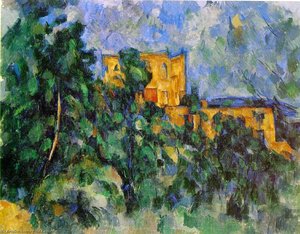
Forest
Reprodukcijos matmenys
Painted during Cézanne’s formative years as a Cubist innovator, “Forest” reflects the broader artistic currents of the time. Impressionism had captivated audiences with its focus on capturing transient moments of light and color; however, Cézanne rejected this approach, arguing that it failed to convey the underlying structure of reality. He was influenced by Japanese prints—particularly Ukiyo-e—which utilized flattened perspectives and bold compositional arrangements to achieve similar effects.
Beyond its formal innovations, “Forest” possesses a palpable emotional resonance. The muted palette – dominated by greens, browns, and blues – evokes feelings of serenity, solitude, and contemplation. Cézanne’s deliberate use of light—particularly the interplay between highlights and shadows—creates a sense of depth and dimensionality that invites viewers to immerse themselves in the scene. The tree trunks stand as symbols of resilience and permanence against the backdrop of shifting seasons, prompting reflection on themes of growth, decay, and the cyclical nature of life.
"Forest" stands as a testament to Cézanne’s unwavering commitment to artistic experimentation. Its impact extended far beyond its immediate contemporaries, inspiring subsequent generations of artists—including Picasso and Matisse—who embraced Cubist principles. Today, reproductions of this masterpiece continue to captivate audiences worldwide, serving as an enduring reminder of Cézanne's revolutionary vision and his profound contribution to the history of art.


1839 - 1906 , Prancūzija


Sekite naujausias meno naujienas, išskirtinius pasiūlymus ir dekoravimo idėjas.
Pasakokite mums apie savo projektą, o mūsų meno ekspertai parengs jums 3 asmeniškus meno pasiūlymus.
Leiskite mums parinkti 3 variantus būtent jums – nemokamai!


 Dalintis


 Skaityti daugiau







 Stiklo variantas prieinamas tik pasirinkus dydį iki 110 cm