x

Įsigykite aukštos skiriamosios raiškos, patobulintą skaitmeninį vaizdą, gerokai pranašesnį už internetinę peržiūrą.
Kiekvieną failą mūsų specialistai kruopščiai paruošia naudojant pažangias technologijas ir profesionalų rankinį retušavimą. Užtikriname, kad kiekvienas vaizdas pasižymėtų išskirtiniu aiškumu, tikslia spalvų atspalviu ir smulkiomis detalėmis.
Baigiamas failas el. paštu pristatomas per 72 valandas; jis optimizuotas nedelsiant naudojimui profesionalioje, redakcinėje ir spausdinimo aplinkoje. Tai ta pati kokybė, kuria pasitiki aukščiausios klasės dizaino studijos, leidyklos ir galerijos.
Atsisiųskite didelės raiškos failą asmeniniam naudojimui, spausdinimui ir kūrybiniams projektams. ( Pirkti spaudinį Pirkti rankomis tapytą paveikslą)
Pasirinkę Most-Famous-Paintings.com, jūs ne tik gaunate paveikslėlį – jūs gaunate profesionaliai patobudintą skaitmeninį kūrinį, sukurtą itin tikniai ir užtikrinantį pasitenkinimą. Štai viską, kas automatiškai pritékia jūsų užsakymui:

Jūsų aukštos raiškos skaitmeninis vaizdo failas bus išsiųstas jums el. paštu per 72 valaudas nuo užsakymo – paruoštas naudojimui be jokių papildomų veiksmų.

Jūsų meno kūrinys profesionaliai optimizuojamas naudojant pažangius dirbtinio intelekto įrankius ir rankinį redagavimą, užtikrinant maksimalią detalę, aiškumą ir spalvų tikslumą.

Atsitiktinai ištrytikote ar praradote savo failą? Nebijokite – bet kuriuo metu atsiųsime jį jums vėl nemokamai.

Mėgaukitės savo meno kūriniu akimirka – skaitiniai failai visada yra neapmokestinami, todėl nereikės mokėti muitinės, mokesčių ar pristatymo mokesčių.

Naudodami profesionalią įrangą ir spalvų valdymo sistemas, užtikriname, kad jūsų skaitmeninis vaizdas kuo tiksliau atspindėtų originalias spalvas.

Jei nebuvate patenkinti savo skaitinio vaizdo, per 60 dienų jį pertaisysime arba grąkinsime 100% sumą – be jokių klausimų.

Nepat 만족inti? Gaukite visą sumokėtą sumą per 60 dienų nuo skaitmeninio failo gavimo – be jokių papildomų klausimų.

Pirkti 3 nuotraukas – pasiūla 10% - Pirkti 5 – pasiūla 15% - Pirkti 10 ir daugiau – pasiūla 20%. Puikiai tinka kūrybiniams projektams, galerijoms bei agentūroms.
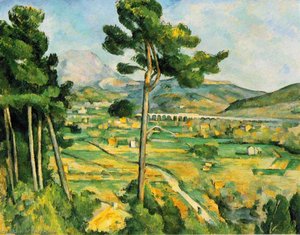
Painted in 1867 during a pivotal period of artistic transition, Paul Cézanne's "Landscape" isn’t merely a depiction of a rural scene; it’s a carefully constructed exploration of perception and the very nature of seeing. This work, housed within the Yale University Art Gallery, represents a crucial stepping stone in Cézanne’s evolution from the Impressionist palette to the nascent forms of Cubism, marking his deliberate departure from fleeting impressions towards a more structured, geometric representation of reality. The painting captures a dirt road winding through a verdant landscape – a familiar subject for Cézanne, who frequently returned to the views surrounding his home in Provence. However, it’s not the idyllic beauty of the scene that dominates; rather, it's the artist’s deliberate manipulation of space and color that commands attention.
Cézanne’s technique is immediately striking. He abandons the traditional Impressionist pursuit of capturing a momentary light effect, instead employing a more methodical approach. Thick, visible brushstrokes—a hallmark of his style—build up layers of paint to define form and volume. Notice how he doesn't simply *paint* the road; he sculpts it with color, creating an illusion of depth and solidity. The grass on either side isn’t rendered as a wash of green but rather as distinct planes of varying shades, suggesting texture and materiality. This deliberate layering is key to Cézanne’s revolutionary approach – he was less interested in replicating what the eye *sees* than in conveying how the mind *interprets* that visual information.
Scattered along the road are several figures, rendered with a remarkable degree of anonymity. They aren't portraits; they’re fragments of human presence within the broader landscape. Their placement is carefully considered – some closer to the viewer, others receding into the distance – creating a sense of spatial depth and inviting the observer to contemplate their relationship to the scene. The two dogs, one positioned centrally and another on the right, add an element of domesticity and perhaps even a hint of narrative, suggesting a quiet moment of rural life. The horse standing off to the left adds further context, hinting at agricultural activity or transport.
Interestingly, Cézanne’s use of perspective is deliberately ambiguous. He doesn't adhere strictly to linear perspective, creating an unsettling sense of spatial distortion. This wasn’t a conscious attempt to mislead the viewer but rather a reflection of his belief that reality itself is constructed within our minds. By fracturing traditional perspective, he forces us to actively engage with the painting and reconstruct its spatial relationships.
While seemingly simple in composition, “Landscape” resonates with deeper symbolic meanings. The dirt road can be interpreted as a metaphor for life’s journey – a winding path through an uncertain future. The figures represent humanity's place within the natural world, highlighting our connection to both the tangible and the intangible. Cézanne himself described his work as "the thinking of things," suggesting that he sought to capture not just appearances but also the underlying essence of his subjects.
The painting’s overall mood is one of serene contemplation. Despite the somewhat unsettling spatial distortions, there's a palpable sense of peace and tranquility. Cézanne masterfully evokes a feeling of timelessness, inviting us to pause and reflect on the beauty and complexity of the natural world. It’s a testament to his ability to transform a commonplace landscape into a profound meditation on perception, form, and the human condition.
“Landscape” is more than just a beautiful painting; it's a pivotal work in art history. Cézanne’s radical approach to representation paved the way for the development of Cubism and other avant-garde movements of the 20th century. His emphasis on structure, form, and color profoundly influenced generations of artists, shaping the course of modern art and leaving an enduring legacy that continues to inspire today.


1839 - 1906 , Prancūzija


Sekite naujausias meno naujienas, išskirtinius pasiūlymus ir dekoravimo idėjas.
Pasakokite mums apie savo projektą, o mūsų meno ekspertai parengs jums 3 asmeniškus meno pasiūlymus.
Leiskite mums parinkti 3 variantus būtent jums – nemokamai!


 Peržiūrėti realybėje
 Pasidalinti
 Dalintis
 Išsamiau

 Atsisiųsti
 Panašūs eksponatai
 Rentgeno nuotrauka
 Automatinė diorama

 Skaityti daugiau