x


 Preview
 Užsisakyti kopiją Pirkti skaitmeninį paveikslą
 Pasidalinti
 Išsamiau
 Pridėti į mėgstamiausius
 Atsisiųsti
 Panašūs eksponatai
 Rentgeno nuotrauka
 Automatinė diorama
 OilWallArtPost-Impressionism
 188219th Century
 65.0 x 50.0 cm
 Orsė muziejus
Muziejų lygio „giclée“ arba drobos spausdinimas: greita gamyba ir lankstios apdailos parinktys.





























Pasirinkite iš mūsų nustatytų dydžių, atitinkančių originalaus meno kūrinio proporcijas.

Galite nurodyti savo matmenis, kad vaizdas atitiktų konkretų rėmą ar erdvę. Jei pasirinktas dydis nesutaps su originalaus paveikslėlio proporcijomis, mes arba apkirpsime kūrinį, arba išplėsime vaizdą naudojant veideliu atspindėtą arba vientisą šoną. Skaitmeninis maketas bus išsiųstas jums patvirtinti prieš pradedant gamybą.
Atkreipkite dėmesį, kad ekrane matomas vaizdinys neatspindi tikrojo apkirpimo ar išplėtimo. Tik maketas tiksliai parodytų galutinę kompoziciją.
Nors galima rinktis ir individualius dydžius, rekomenduojame pasirinkti vieną iš išanksti nustatytų matmenų, kad būtų išlaikytos originalios proporcijos.
Pristatymas visame pasaulyje () per 2 weeks, o ne įprastas 4/5 savaičių laikotarpis. (25 liepa)


Self-Portrait
Reprodukcijos matmenys
Paul Cézanne, born in Aix-en-Provence in 1839, stands as a monumental figure bridging the gap between Impressionism and Cubism. His artistic journey wasn't one of immediate acclaim; it was a slow burn of exploration fueled by an unwavering dedication to capturing the essence of visual experience—a pursuit that would ultimately redefine modern art.
Initially steered towards law by his father’s ambitions, Cézanne possessed an innate restlessness and a profound conviction in the transformative power of artistic expression. He decisively abandoned legal studies to embrace painting, a decision that irrevocably shaped his life and cemented his place as one of the most influential artists of his era.
“Self-Portrait,” painted in 1882, exemplifies Cézanne’s distinctive style – a masterful blend of Post-Impressionism and proto-Cubism. Measuring 65 x 50 cm and executed in oil on canvas, the painting is more than just a likeness; it's a meticulously crafted distillation of Cézanne’s artistic philosophy.
Cézanne’s brushstrokes are characterized by repetitive, exploratory movements that build up to form complex fields of color. This technique—often described as “impasto”—creates a palpable sense of depth and texture, inviting the viewer to engage with the surface materiality of the artwork. The artist deliberately disrupts traditional perspective, flattening space and emphasizing geometric forms – anticipating the revolutionary aesthetic principles of Cubism.
The composition is equally striking. Cézanne depicts himself seated before a window, bathed in diffused light—a deliberate choice reflecting his fascination with capturing everyday life and its surroundings. The inclusion of two chairs and a red door adds visual interest and reinforces Cézanne’s commitment to portraying the tangible realities of domestic space.
Cézanne's work initially faced considerable resistance from contemporary critics who deemed it incomprehensible and lacking in aesthetic merit. Figures like Camille Pissarro championed his vision, recognizing Cézanne’s unwavering pursuit of artistic truth despite the prevailing skepticism.
However, Ambroise Vollard, a discerning art dealer, played a crucial role in elevating Cézanne's reputation by organizing his first solo exhibition in Paris in 1895. This event garnered significant attention and sparked a broader appreciation for Cézanne’s artistic genius—a testament to the enduring power of innovation and perseverance.
Cézanne's influence on subsequent generations of artists is undeniable. Henri Matisse and Pablo Picasso acknowledged him as “the father of us all,” recognizing his pioneering use of color and structure as a catalyst for artistic transformation. His groundbreaking approach paved the way for movements like Cubism, which dismantled traditional pictorial conventions and embraced fragmented perspectives—forever altering the landscape of modern art.
At Most-Famous-Paintings.com, we strive to honor Cézanne’s legacy by offering meticulously crafted oil painting reproductions that capture the profound beauty and intellectual depth of “Self-Portrait.” Our skilled artisans ensure that each reproduction faithfully conveys the original artwork's essence—a treasured addition for collectors and a source of inspiration for interior designers alike.


1839 - 1906 , Prancūzija
Atraskite 25 Paul Cézanno šedevrus! Išsami analizė, istorijos ir įkvėpimas interjero dekorui. Modernus menas, impresionizmas, natiurmortai – viskas Most-Famous-Paintings.com. Explore the full collection online!

Atraskite 25 Paul Klee šedevrus! Išsami analizė, meno istorija ir įkvėpimas interjerui. Abstraktaus meno kūriniai, ekspresionizmas, spalvų harmonijos. Aukštos kokybės reprodukcijos – Most-Famous-Paintings.com

Explore 10 iconic portrait paintings – from Mona Lisa to Van Gogh’s self-portraits. Discover the stories behind these masterpieces, artistic techniques & find museum-quality art reproductions for your home at Most-Famous-Paintings.com.
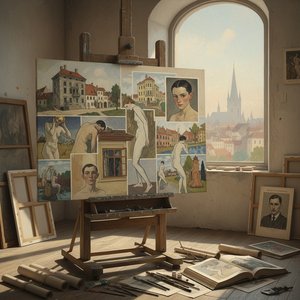
Atraskite 25 įspūdingiausius Egon Schiele šedevrus! Gilinkitės į ekspresionizmo pasaulį, portretų istorijas ir unikalią menininko spalvų paletę. Aukštos kokybės reprodukcijos interjerui – Most-Famous-Paintings.lt

Atraskite 25 įspūdingiausius Claude Monet šedevrus! Sužinokite apie impresionizmą, vandens lelijų paveikslus ir spalvų magiją. Meno reprodukcijos aukščiausia kokybe – Most-Famous-Paintings.com. Išsamesnės informacijos rasite internetu.


Sekite naujausias meno naujienas, išskirtinius pasiūlymus ir dekoravimo idėjas.
Pasakokite mums apie savo projektą, o mūsų meno ekspertai parengs jums 3 asmeniškus meno pasiūlymus.
Leiskite mums parinkti 3 variantus būtent jums – nemokamai!


 Dalintis

 Skaityti daugiau







 Stiklo variantas prieinamas tik pasirinkus dydį iki 110 cm