x

Muziejų lygio „giclée“ arba drobos spausdinimas: greita gamyba ir lankstios apdailos parinktys. ( Pirkti rankomis tapytą paveikslą Pirkti vaizdą)





























Pasirinkite iš mūsų nustatytų dydžių, atitinkančių originalaus meno kūrinio proporcijas.

Galite nurodyti savo matmenis, kad vaizdas atitiktų konkretų rėmą ar erdvę. Jei pasirinktas dydis nesutaps su originalaus paveikslėlio proporcijomis, mes arba apkirpsime kūrinį, arba išplėsime vaizdą naudojant veideliu atspindėtą arba vientisą šoną. Skaitmeninis maketas bus išsiųstas jums patvirtinti prieš pradedant gamybą.
Atkreipkite dėmesį, kad ekrane matomas vaizdinys neatspindi tikrojo apkirpimo ar išplėtimo. Tik maketas tiksliai parodytų galutinę kompoziciją.
Nors galima rinktis ir individualius dydžius, rekomenduojame pasirinkti vieną iš išanksti nustatytų matmenų, kad būtų išlaikytos originalios proporcijos.
Pristatymas visame pasaulyje () per 2 weeks, o ne įprastas 4/5 savaičių laikotarpis. (18 rugpjūtis)


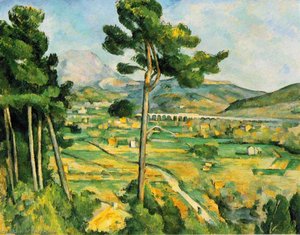
Still Life with Commode
Reprodukcijos matmenys
Paul Cézanne's Still Life with Commode, painted around 1887-1888, isn’t merely a depiction of objects arranged on a table; it’s a profound exploration of how we *see*. This pivotal work, housed within the esteemed collection of the Harvard Art Museums, represents a crucial bridge between the Impressionist movement and the burgeoning world of Cubism, marking a radical shift in artistic perspective. Cézanne wasn't interested in simply replicating reality as seen through fleeting light; instead, he sought to capture the underlying structure and essence of his subject – a deliberate act that profoundly influenced generations of artists to come.
The painting itself is deceptively simple at first glance. A modestly sized table, draped with a subtly textured fabric, anchors the composition. Upon it rests a commode—a piece of furniture typically associated with domesticity and order—alongside an assortment of carefully chosen objects: a bowl overflowing with fruit – apples and oranges dominate, their colors rendered in rich, earthy tones – a vase holding flowers, and several books. Yet, Cézanne’s genius lies not in the realistic portrayal of these items, but in his masterful manipulation of space and form. He abandons traditional perspective, creating an illusion of depth through a complex interplay of lines, planes, and color. The table itself seems to tilt slightly, the objects are rendered with varying degrees of detail, and the background is deliberately ambiguous, drawing the viewer’s eye directly into the heart of the scene.
Post-Impressionist InnovationBeyond its formal innovations, Still Life with Commode carries a subtle emotional resonance. The arrangement feels both familiar and slightly unsettling—a quiet tableau of everyday life imbued with a sense of contemplative stillness. The carefully chosen objects – fruit, books, a vase – evoke associations with domesticity, knowledge, and beauty. However, Cézanne’s deliberate distortions and unconventional perspective subtly disrupt this comfortable familiarity, prompting the viewer to question their own assumptions about how things *should* look. The painting invites us to engage in a process of active interpretation, recognizing that reality is not simply observed but constructed through our own perceptual filters.
If you’re captivated by Cézanne's revolutionary approach and wish to experience this masterpiece firsthand, consider commissioning a handmade oil painting reproduction from Most-Famous-Paintings.com. Our skilled artists meticulously recreate the nuances of Cézanne’s technique, capturing the subtle color variations, broken brushstrokes, and unique spatial relationships that define this iconic work. A reproduction offers an accessible way to bring this profound exploration of perception into your own home or office – a testament to Cézanne's enduring legacy as one of art history’s most influential figures. For further insight into Cézanne’s life and artistic journey, explore his artist page on Most-Famous-Paintings.com, or delve deeper into the broader context of Post-Impressionism and its key practitioners like Piet Mondrian and Wassily Kandinsky on our Cubist Art Movement page.


1839 - 1906 , Prancūzija
Atraskite 25 Paul Cézanno šedevrus! Išsami analizė, istorijos ir įkvėpimas interjero dekorui. Modernus menas, impresionizmas, natiurmortai – viskas Most-Famous-Paintings.com. Explore the full collection online!

Explore the rich history of still life painting with Most-Famous-Paintings. Discover Dutch Masters, decode vanitas symbolism & learn about collecting timeless art. Expert insights and museum-quality reproductions.

Explore the rich history & symbolism of still life painting with Most-Famous-Paintings. Discover masterpieces from the Dutch Golden Age, learn about vanitas art, and find expert guidance for collecting timeless artworks.

Explore the profound world of Clyfford Still's Abstract Expressionism with Most-Famous-Paintings. Discover his unique style, existential themes & investment potential. Expert analysis for discerning collectors.

Explore the rich history of still life painting & the symbolism of fruit across art movements. Discover masterpieces from Caravaggio to Cézanne with Most-Famous-Paintings – expert guidance & museum-quality reproductions.


Sekite naujausias meno naujienas, išskirtinius pasiūlymus ir dekoravimo idėjas.
Pasakokite mums apie savo projektą, o mūsų meno ekspertai parengs jums 3 asmeniškus meno pasiūlymus.
Leiskite mums parinkti 3 variantus būtent jums – nemokamai!


 Peržiūrėti realybėje
 Pasidalinti
 Dalintis
 Išsamiau

 Atsisiųsti
 Panašūs eksponatai
 Rentgeno nuotrauka
 Automatinė diorama

 Skaityti daugiau







 Stiklo variantas prieinamas tik pasirinkus dydį iki 110 cm