x

Rankiniu būdu tapytas aliejus ant droblio jūsų pageidaujamame dydį ir rėmuose – mūsų menininkų darbas pagal užsakymą. ( Perejti prie spausdinimo Perjungti į vaizdą)





























Pasirinkite iš mūsų nustatytų dydžių, atitinkančių originalaus meno kūrinio proporcijas.

Galite įvesti savo matmenis, kad jie atitiktų konkretų rėmą ar erdvę. Jei pasirinktas dydis neatitinka originalaus paveikslėlio proporcijų, mes arba apkropsime meno kūrinį, arba papildysime tapybą rankomis dažytい elementais. Prieš pradėdami gamybą, jūsų patvirtinimui atsiųsime skaitmeninį maketą.
Atkreipkite dėmesį, kad ekrane rodomas vaizdas neatspindi tikrojo apkarpymo ar papildymo. Tik maketas tiksliai parodys galutinę kompoziciją.
Nors galima rinktis ir individualius dydžius, rekomenduojame pasirinkti matmenis iš nustatytos sąrašo, kad būtų išlaikytos originalios proporcijos.
Pristatymas visame pasaulyje () per 3–4 savaites, o ne įprastai – per 5 savaites. (30 liepa). Kokybė lieka nepakeičiama.


thalys
Reprodukcijos matmenys
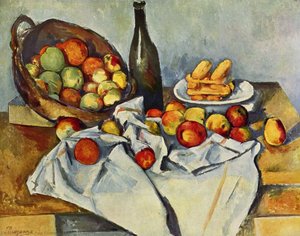
Paul Cézanne (1839-1906), a name synonymous with artistic innovation and enduring influence, wasn’t initially recognized as a visionary. His early years were marked by familial expectations – his father, a hatmaker who transitioned into banking – pushing him toward legal pursuits. Yet, Cézanne possessed an irrepressible passion for painting, defying convention and embarking on a path that would fundamentally reshape the landscape of modern art.
“Thalys,” painted circa 1897, exemplifies Cézanne's groundbreaking approach to still life composition. The artwork depicts a simple arrangement of apples and oranges within two bowls and scattered around the canvas. Yet, beneath this apparent simplicity lies a profound exploration of visual perception.
While seemingly objective in its depiction of fruit, “Thalys” transcends mere representation. Cézanne’s meticulous attention to detail isn't about replicating the appearance of apples and oranges; it’s about conveying their inherent qualities – their weight, their form, their relationship to light.
Considerations for Interior Designers:Reproductions of “Thalys” can bring a touch of Cézanne's contemplative aesthetic into any space. The artwork’s geometric forms and textured surface create visual interest without overwhelming the room, offering an elegant counterbalance to bolder decorative elements.
Cézanne’s influence extends far beyond his own lifetime. He paved the way for Cubism and Surrealism, inspiring generations of artists to question conventional artistic norms. “Thalys” stands as a testament to Cézanne's unwavering commitment to exploring the complexities of visual perception—a masterpiece that continues to captivate viewers with its quiet beauty and intellectual depth.


1839 - 1906 , Prancūzija

Atraskite impresionizmo ir postimpresionizmo pasaulį su Most-Famous-Paintings.com! Meno konsultacijos, originalių paveikslų įvertinimas, kokybiškos reprodukcijos bei patarimai kolekcionieriams. Investuokite į meno kūrinius išmaningai.
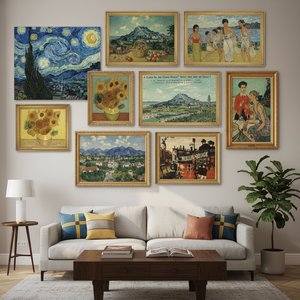
Atraskite 10 Post-Impresionizmo šedevrų! Van Gogas, Cézanne ir kiti genijai – jų kūriniai, istorijos bei spalvos. Įkvėpkite savo interjerui su Most-Famous-Paintings.com aukščiausios kokybės reprodukcijomis. Išnagrinėkite visą kolekciją internete!

Explore the rich history of still life painting & the symbolism of fruit across art movements. Discover masterpieces from Caravaggio to Cézanne with Most-Famous-Paintings – expert guidance & museum-quality reproductions.

Explore the captivating world of Severin Roesen, a major American still life painter influenced by Dutch masters. Discover his lush compositions and the symbolism within his art – a window into 19th-century America.

Explore the rich history of still life painting with Most-Famous-Paintings. Discover Dutch Masters, decode vanitas symbolism & learn about collecting timeless art. Expert insights and museum-quality reproductions.


Sekite naujausias meno naujienas, išskirtinius pasiūlymus ir dekoravimo idėjas.
Pasakokite mums apie savo projektą, o mūsų meno ekspertai parengs jums 3 asmeniškus meno pasiūlymus.
Leiskite mums parinkti 3 variantus būtent jums – nemokamai!


 Peržiūrėti realybėje
 Pasidalinti
 Dalintis
 Išsamiau

 Atsisiųsti
 Panašūs eksponatai
 Rentgeno nuotrauka
 Automatinė diorama
 Skaityti daugiau







 Stiklo variantas prieinamas tik pasirinkus dydį iki 110 cm