x

Rankiniu būdu tapytas aliejus ant droblio jūsų pageidaujamame dydį ir rėmuose – mūsų menininkų darbas pagal užsakymą. ( Pirkti spaudinį Pirkti vaizdą)





























Pasirinkite iš mūsų nustatytų dydžių, atitinkančių originalaus meno kūrinio proporcijas.

Galite įvesti savo matmenis, kad jie atitiktų konkretų rėmą ar erdvę. Jei pasirinktas dydis neatitinka originalaus paveikslėlio proporcijų, mes arba apkropsime meno kūrinį, arba papildysime tapybą rankomis dažytい elementais. Prieš pradėdami gamybą, jūsų patvirtinimui atsiųsime skaitmeninį maketą.
Atkreipkite dėmesį, kad ekrane rodomas vaizdas neatspindi tikrojo apkarpymo ar papildymo. Tik maketas tiksliai parodys galutinę kompoziciją.
Nors galima rinktis ir individualius dydžius, rekomenduojame pasirinkti matmenis iš nustatytos sąrašo, kad būtų išlaikytos originalios proporcijos.
Pristatymas visame pasaulyje () per 3–4 savaites, o ne įprastai – per 5 savaites. (17 rugpjūtis). Kokybė lieka nepakeičiama.


Trees
Reprodukcijos matmenys
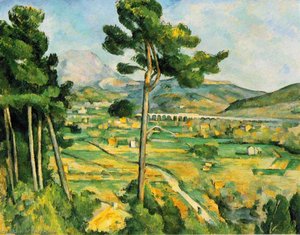
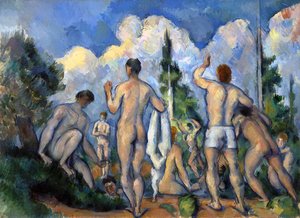
Paul Cézanne's "Trees," painted in 1884, transcends mere depiction; it embodies a revolutionary vision that fundamentally reshaped the landscape of modern art. Initially dismissed by critics as amateurish and lacking artistic merit, this deceptively simple composition—a field strewn with trees against a hazy backdrop of a modest house—became Cézanne’s cornerstone work, establishing his distinctive approach to capturing the essence of nature.
Painted during Cézanne’s formative years in Aix-en-Provence, “Trees” reflects his growing dissatisfaction with Impressionism's preoccupation with capturing atmospheric effects. Influenced by Japanese prints—particularly those depicting landscapes—Cézanne sought to distill nature into its fundamental geometric components, mirroring the aesthetic principles of Japonisme.
His rejection of conventional artistic conventions wasn’t driven by cynicism but by a profound conviction that art should strive for intellectual rigor and emotional resonance. Cézanne believed that artists had a responsibility to represent reality accurately, albeit in a way that transcends mere visual representation—a sentiment echoed in his lifelong dedication to exploring the complexities of perception.
"Trees," like many of Cézanne’s works, operates on multiple levels. The solitary trees symbolize resilience and permanence amidst the transient beauty of the natural world. Their stark forms convey a sense of quiet contemplation and introspection—inviting viewers to contemplate the profound connection between humanity and nature.
More importantly, Cézanne's painting represents a pivotal moment in artistic history: it signaled the decisive break from Impressionism’s optical idealism toward a more conceptual approach. It paved the way for subsequent movements like Cubism and Expressionism, establishing Cézanne as one of the most influential artists of the late 19th century.
Today, “Trees” continues to captivate audiences with its understated elegance and masterful execution. Its enduring appeal lies in its ability to communicate a powerful emotional truth—a celebration of beauty found not in fleeting impressions but in the unwavering solidity of form and color. Reproductions of this iconic artwork offer an opportunity to experience Cézanne’s visionary aesthetic firsthand, bringing his profound understanding of nature into any interior space.


1839 - 1906 , Prancūzija

Explore the profound evolution of Post-Impressionist landscapes. From Van Gogh's emotional brushwork to Cézanne's structural mastery, discover how these visionaries redefined art history through color and form in this expert guide for fine art enthusiasts.


Sekite naujausias meno naujienas, išskirtinius pasiūlymus ir dekoravimo idėjas.
Pasakokite mums apie savo projektą, o mūsų meno ekspertai parengs jums 3 asmeniškus meno pasiūlymus.
Leiskite mums parinkti 3 variantus būtent jums – nemokamai!


 Peržiūrėti realybėje
 Pasidalinti
 Dalintis
 Išsamiau

 Atsisiųsti
 Panašūs eksponatai
 Rentgeno nuotrauka
 Automatinė diorama

 Skaityti daugiau







 Stiklo variantas prieinamas tik pasirinkus dydį iki 110 cm