Parduokite savo kūrybą
Trokimų sąrašas Prekių krepšelis Cart
x
Peržiūrėti realybėjePeržiūrėti realybėje Peržiūrėti ARPeržiūrėti AR Pirkti spaudinį Pirkti spaudinįPirkti rankomis tapytą paveikslą Pirkti rankomis tapytą paveikslą PasidalintiPasidalinti
IšsamiauIšsamiau Pridėti į mėgstamiausius Pridėti į mėgstamiausius AtsisiųstiAtsisiųsti Panašūs eksponataiPanašūs eksponatai Rentgeno nuotraukaRentgeno nuotrauka Automatinė dioramaAutomatinė diorama

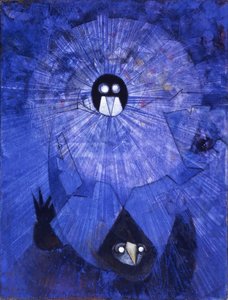
Untitled

  • Sukūrimo data1962
  • Matmenys152.0 x 122.0 cm

Paul Feeley (1910-1966): Explore the geometric abstractions & serene compositions of this Color Field painter. Influenced by ancient art, his work bridges Abstract Expressionism & Post-Painterly Abstraction.

Įsigykite aukštos skiriamosios raiškos, patobulintą skaitmeninį vaizdą, gerokai pranašesnį už internetinę peržiūrą.

Kiekvieną failą mūsų specialistai kruopščiai paruošia naudojant pažangias technologijas ir profesionalų rankinį retušavimą. Užtikriname, kad kiekvienas vaizdas pasižymėtų išskirtiniu aiškumu, tikslia spalvų atspalviu ir smulkiomis detalėmis.

Baigiamas failas el. paštu pristatomas per 72 valandas; jis optimizuotas nedelsiant naudojimui profesionalioje, redakcinėje ir spausdinimo aplinkoje. Tai ta pati kokybė, kuria pasitiki aukščiausios klasės dizaino studijos, leidyklos ir galerijos.

Skaitmeninis vaizdas

Atsisiųskite didelės raiškos failą asmeniniam naudojimui, spausdinimui ir kūrybiniams projektams. (Pirkti spaudinį Pirkti spaudinįPirkti rankomis tapytą paveikslą Pirkti rankomis tapytą paveikslą)

Visų sumos kaina

$ 24,90

Kiekvieną skaitinio vaizdo užsakymą papildė

Profesionalus skaitmeninis pristatymas, garantuotas

Pasirinkę Most-Famous-Paintings.com, jūs ne tik gaunate paveikslėlį – jūs gaunate profesionaliai patobudintą skaitmeninį kūrinį, sukurtą itin tikniai ir užtikrinantį pasitenkinimą. Štai viską, kas automatiškai pritékia jūsų užsakymui:

shipping_icon
Greitas siuntimas el. paštu

Jūsų aukštos raiškos skaitmeninis vaizdo failas bus išsiųstas jums el. paštu per 72 valaudas nuo užsakymo – paruoštas naudojimui be jokių papildomų veiksmų.

canvas_icon
Skaitmeninis failas su dirbtiniu intelektu

Jūsų meno kūrinys profesionaliai optimizuojamas naudojant pažangius dirbtinio intelekto įrankius ir rankinį redagavimą, užtikrinant maksimalią detalę, aiškumą ir spalvų tikslumą.

insurance_icon
Nemokamas visam laikui pakartotinis siuntimas

Atsitiktinai ištrytikote ar praradote savo failą? Nebijokite – bet kuriuo metu atsiųsime jį jums vėl nemokamai.

tax_icon
Jokio importo mokesčio – niekada

Mėgaukitės savo meno kūriniu akimirka – skaitiniai failai visada yra neapmokestinami, todėl nereikės mokėti muitinės, mokesčių ar pristatymo mokesčių.

color_icon
Spalvų tikslumo garantija

Naudodami profesionalią įrangą ir spalvų valdymo sistemas, užtikriname, kad jūsų skaitmeninis vaizdas kuo tiksliau atspindėtų originalias spalvas.

return_icon
60 dienų pasitenkinimo garantija

Jei nebuvate patenkinti savo skaitinio vaizdo, per 60 dienų jį pertaisysime arba grąkinsime 100% sumą – be jokių klausimų.

guarantee_icon
100% pinigų grąžinimo garantija

Nepat 만족inti? Gaukite visą sumokėtą sumą per 60 dienų nuo skaitmeninio failo gavimo – be jokių papildomų klausimų.

discount_icon
Nuolaidos dideliems užsakymams

Pirkti 3 nuotraukas – pasiūla 10% - Pirkti 5 – pasiūla 15% - Pirkti 10 ir daugiau – pasiūla 20%. Puikiai tinka kūrybiniams projektams, galerijoms bei agentūroms.


Autoriaus biografija

The Early Years and the Dawn of a Visionary

Winslow Homer, born in Boston in 1836, emerged from a world grappling with profound change – the aftermath of the Civil War, burgeoning industrialization, and a shifting American identity. His early life, marked by a childhood spent on his grandparents’ farm in Cambridge, Massachusetts, instilled within him a deep connection to nature and a keen observational eye. Unlike many artists of his time who sought formal training in Europe, Homer initially pursued a career as a commercial printmaker, working for Harper's Weekly during the war years. This experience proved invaluable, exposing him to the realities of conflict and shaping his artistic sensibilities – not through idealized depictions of heroism, but through a grounded portrayal of human suffering and resilience. The stark black-and-white illustrations he produced offered a powerful counterpoint to the romanticized narratives prevalent at the time, foreshadowing his later commitment to capturing authentic emotion and experience. His early work demonstrated an aptitude for capturing light and atmosphere, laying the groundwork for his future mastery of landscape painting.

The Parisian Influence and a New Artistic Language

In 1866, Homer embarked on a transformative journey to Paris, a pivotal moment that fundamentally altered the course of his artistic development. Motivated by a desire to witness the groundbreaking exhibitions showcasing French Impressionist painters, he sought to absorb their innovative techniques and approaches to color and light. While not directly influenced by the core tenets of Impressionism – the fleeting effects of light and atmosphere – Homer found inspiration in their willingness to challenge traditional academic conventions. He spent nearly two years immersed in the Parisian art scene, studying the works of artists like Jean-Baptiste Segelin and observing the vibrant life of the city. Crucially, he developed a fascination with Japanese prints, particularly those depicting landscapes and everyday scenes, which profoundly impacted his composition and use of flattened perspective – a technique that would become a hallmark of his mature style. This period marked a shift from the narrative realism of his earlier work towards a more subjective and evocative approach to representation.

Seaside Scenes and the Exploration of Human Experience

Returning to America in 1868, Homer established himself as a leading figure in the American art world. He quickly gained recognition for his powerful depictions of coastal scenes – Maine’s rocky shores, bustling fishing villages, and the vast expanse of the Atlantic Ocean. However, Homer's paintings were not merely topographical representations; they were deeply imbued with psychological depth and emotional resonance. He skillfully captured the physicality of labor, portraying fishermen battling the elements, women hauling nets, and children playing along the shore – figures whose lives were inextricably linked to the rhythms of the sea. His work during this period explored themes of isolation, resilience, and the enduring connection between humanity and nature. The dramatic lighting, dynamic compositions, and expressive brushwork conveyed a sense of both vulnerability and strength, reflecting the complex relationship between humans and their environment.

Late Works: Intimacy, Color, and a Profound Sense of Place

In his later years, Homer’s artistic focus shifted towards intimate scenes of domestic life and portraits of women – often depicted in moments of quiet contemplation or engaged in everyday activities. He experimented with watercolor techniques, achieving remarkable luminosity and capturing the subtle nuances of light and color. His paintings from the 1880s and 1890s are characterized by a heightened sense of emotional intensity and a profound connection to place. He spent his final years at Prouts Neck, Maine, where he created a series of evocative landscapes that captured the beauty and solitude of the coastal environment. These late works represent a culmination of his artistic journey – a synthesis of observation, memory, and personal experience. Winslow Homer’s legacy rests not only on his technical skill but also on his ability to imbue his paintings with a deep sense of humanity and place, solidifying his position as one of America's greatest landscape painters.

Historical Significance

Winslow Homer’s work holds significant historical importance for several reasons. He was among the first American artists to fully embrace Impressionistic techniques, paving the way for a new generation of American painters. His unflinching portrayal of working-class life offered a stark contrast to the idealized representations prevalent in art at the time, contributing to a more nuanced and realistic depiction of American society. Furthermore, Homer’s exploration of themes such as isolation, resilience, and the relationship between humanity and nature continues to resonate with viewers today, making his work timeless and universally relevant. His influence can be seen in the works of countless artists who followed, cementing his place as a foundational figure in American art history.
paul feeley

paul feeley

1910 - 1966 , United States of America

Trumpai apie šį kūrėją

  • Artistic Movement Or Style: Genre Painting, Realism
  • Artists Or Movements Influenced By This Artist:
    • American Impressionism
    • Early 20th-century realism
  • Artists Who Influenced This Artist:
    • Hudson River School
    • Japanese art
  • Date Of Birth: 1836
  • Date Of Death: 1910
  • Full Name: Winslow Homer
  • Nationality: American
  • Notable Artworks:
    • Snapshots of Life
    • The Gulf Stream
    • Smoke from a Fire
    • Maine Coast
  • Place Of Birth: Boston, Massachusetts