x

Muziejų lygio „giclée“ arba drobos spausdinimas: greita gamyba ir lankstios apdailos parinktys. ( Pirkti rankomis tapytą paveikslą Pirkti vaizdą)





























Pasirinkite iš mūsų nustatytų dydžių, atitinkančių originalaus meno kūrinio proporcijas.

Galite nurodyti savo matmenis, kad vaizdas atitiktų konkretų rėmą ar erdvę. Jei pasirinktas dydis nesutaps su originalaus paveikslėlio proporcijomis, mes arba apkirpsime kūrinį, arba išplėsime vaizdą naudojant veideliu atspindėtą arba vientisą šoną. Skaitmeninis maketas bus išsiųstas jums patvirtinti prieš pradedant gamybą.
Atkreipkite dėmesį, kad ekrane matomas vaizdinys neatspindi tikrojo apkirpimo ar išplėtimo. Tik maketas tiksliai parodytų galutinę kompoziciją.
Nors galima rinktis ir individualius dydžius, rekomenduojame pasirinkti vieną iš išanksti nustatytų matmenų, kad būtų išlaikytos originalios proporcijos.
Pristatymas visame pasaulyje () per 2 weeks, o ne įprastas 4/5 savaičių laikotarpis. (18 rugpjūtis)


Žygis
Reprodukcijos matmenys
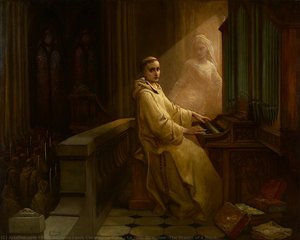
Gustave Doré's "The Race," completed in 1872, isn't merely an illustration; it’s a meticulously crafted tableau vivant—a living picture—that captures the fervent energy of a Victorian seaside spectacle. Engraved with astonishing precision on copper plate, this artwork transports viewers back to a time when enthusiasm for sport and communal celebration reigned supreme.
Doré's masterful technique—burin engraving; characterized by its ability to reproduce intricate patterns and textures—was instrumental in bringing the dynamism of Victorian life to print. Fine lines etched into the metal surface mimic the roughness of the boat’s hull, the sheen of polished brass fittings, and even the subtle folds of spectators’ clothing. This painstaking process resulted in an image brimming with palpable movement and emotion.
The composition is dominated by a colossal steamship overflowing with jubilant onlookers—a visual embodiment of Victorian social life. At its forefront, a smaller rowing boat adds depth to the scene, anchoring the eye and guiding it through the bustling crowd. Linear perspective skillfully draws the viewer into this urban panorama, diminishing objects in the distance to create an illusion of expansive space.
A prominent bridge stretches across the background, subtly hinting at London’s riverside setting—a location synonymous with leisure activities and public gatherings during Doré's era. The careful arrangement of figures contributes to a dynamic interplay between foreground and background, enhancing the artwork’s immersive quality.
Beyond its depiction of a boat race, “The Race” resonates with deeper symbolic meanings. Raised hands and beaming faces convey uninhibited joy and exhilaration—expressions of triumph and camaraderie that encapsulate the spirit of Victorian optimism. The event itself serves as a metaphor for competition and achievement, reflecting broader societal values of the period.
Doré’s stylistic choices align perfectly with Romanticism's preoccupation with dramatic emotion and sublime grandeur. He eschewed idealized beauty in favor of capturing raw feeling, conveying the visceral experience of witnessing this momentous occasion. The monochromatic palette—primarily grayscale tones—intensifies the impact of these emotional expressions, emphasizing textures and highlighting details.
The engraving process itself is a testament to Doré’s artistic prowess. Using burin tools on copper plate, he achieved remarkable precision, meticulously transferring ink onto paper under pressure. This technique—characterized by its ability to reproduce intricate patterns and textures—was instrumental in bringing the dynamism of Victorian life to print.
The resulting image possesses a captivating immediacy, transporting viewers back to 1872 London and immersing them in the vibrant atmosphere of this unforgettable spectacle. “The Race” remains an enduring symbol of Victorian enthusiasm and Doré’s unparalleled ability to translate emotion into visual form—a masterpiece that continues to inspire admiration for its technical brilliance and artistic vision.


1832 - 1883 , Prancūzija

Explore the exquisite world of Victorian Illustration. Discover the masters of the Golden Age, from Arthur Rackham to Edmund Dulac, through an in-depth historical journey into the era's unparalleled detail and narrative artistry.


Sekite naujausias meno naujienas, išskirtinius pasiūlymus ir dekoravimo idėjas.
Pasakokite mums apie savo projektą, o mūsų meno ekspertai parengs jums 3 asmeniškus meno pasiūlymus.
Leiskite mums parinkti 3 variantus būtent jums – nemokamai!


 Peržiūrėti realybėje
 Pasidalinti
 Dalintis
 Išsamiau

 Atsisiųsti
 Panašūs eksponatai
 Rentgeno nuotrauka
 Automatinė diorama
 Skaityti daugiau







 Stiklo variantas prieinamas tik pasirinkus dydį iki 110 cm