x

Muziejų lygio „giclée“ arba drobos spausdinimas: greita gamyba ir lankstios apdailos parinktys. ( Pirkti rankomis tapytą paveikslą Pirkti vaizdą)





























Pasirinkite iš mūsų nustatytų dydžių, atitinkančių originalaus meno kūrinio proporcijas.

Galite nurodyti savo matmenis, kad vaizdas atitiktų konkretų rėmą ar erdvę. Jei pasirinktas dydis nesutaps su originalaus paveikslėlio proporcijomis, mes arba apkirpsime kūrinį, arba išplėsime vaizdą naudojant veideliu atspindėtą arba vientisą šoną. Skaitmeninis maketas bus išsiųstas jums patvirtinti prieš pradedant gamybą.
Atkreipkite dėmesį, kad ekrane matomas vaizdinys neatspindi tikrojo apkirpimo ar išplėtimo. Tik maketas tiksliai parodytų galutinę kompoziciją.
Nors galima rinktis ir individualius dydžius, rekomenduojame pasirinkti vieną iš išanksti nustatytų matmenų, kad būtų išlaikytos originalios proporcijos.
Pristatymas visame pasaulyje () per 2 weeks, o ne įprastas 4/5 savaičių laikotarpis. (18 rugpjūtis)


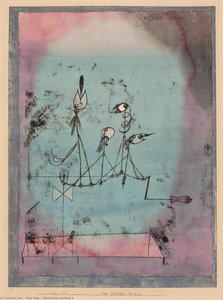
Everything runs after something
Reprodukcijos matmenys
Paul Klee's “Everything Runs After Something” isn’t merely a drawing; it’s a distilled essence of artistic impulse, a visual meditation on the elusive origins of creativity itself. Executed in stark monochrome—primarily shades of gray—the artwork embodies Klee’s signature style: naive art, or primitive art – a deliberate rejection of academic conventions favoring simplicity, distortion, and an intuitive engagement with form.
Born in Münchenbuchsee, Switzerland, in 1879, Paul Klee’s artistic trajectory was profoundly shaped by his upbringing amidst musical influences. His father, a music teacher, instilled in him an acute sensitivity to harmonic relationships—a connection that would permeate his visual vocabulary. This early exposure to music informed Klee's compositional approach and underpinned his belief that art could communicate emotion akin to musical arrangement.
Klee’s artistic journey was marked by experimentation with diverse mediums, including watercolor, gouache, lithography, and collage—a testament to his unwavering pursuit of innovation. He embraced the Bauhaus aesthetic, collaborating with Josef Albers and László Moholy-Nagy on groundbreaking projects that explored the interplay between color and form.
“Everything Runs After Something” speaks to a deeper philosophical concern: the notion that creativity originates from forces beyond conscious awareness. As Klee himself articulated, “My hand has become the obedient instrument of a remote will.” This statement encapsulates the artist’s conviction that artistic expression transcends rational thought—tapping into an unconscious reservoir of inspiration.
The artwork's subdued palette and simplified forms evoke feelings of melancholy and introspection. It invites viewers to contemplate the mysteries of existence, mirroring Klee’s own lifelong quest for spiritual understanding. Zentrum Paul Klee in Bern houses the world’s largest collection of Klee’s artworks—a pilgrimage for anyone interested in experiencing the profound beauty of this singular artistic vision.

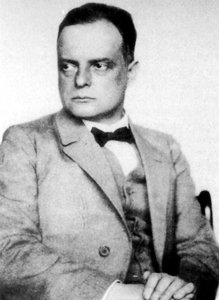
1879 - 1940 , Šveicarija

Explore the profound artistry of black and white photography. From the chemistry of gelatin silver to the chiaroscuro of the Old Masters, discover how monochrome captures the eternal essence of light, form, and emotion for the discerning art collector.


Sekite naujausias meno naujienas, išskirtinius pasiūlymus ir dekoravimo idėjas.
Pasakokite mums apie savo projektą, o mūsų meno ekspertai parengs jums 3 asmeniškus meno pasiūlymus.
Leiskite mums parinkti 3 variantus būtent jums – nemokamai!


 Peržiūrėti realybėje
 Pasidalinti
 Dalintis
 Išsamiau

 Atsisiųsti
 Panašūs eksponatai
 Rentgeno nuotrauka
 Automatinė diorama
 Skaityti daugiau







 Stiklo variantas prieinamas tik pasirinkus dydį iki 110 cm