x


 Preview
 Užsisakyti kopiją Pirkti skaitmeninį paveikslą
 Pasidalinti
 Išsamiau
 Pridėti į mėgstamiausius
 Atsisiųsti
 Panašūs eksponatai
 Rentgeno nuotrauka
 Automatinė diorama
Muziejų lygio „giclée“ arba drobos spausdinimas: greita gamyba ir lankstios apdailos parinktys.





























Pasirinkite iš mūsų nustatytų dydžių, atitinkančių originalaus meno kūrinio proporcijas.

Galite nurodyti savo matmenis, kad vaizdas atitiktų konkretų rėmą ar erdvę. Jei pasirinktas dydis nesutaps su originalaus paveikslėlio proporcijomis, mes arba apkirpsime kūrinį, arba išplėsime vaizdą naudojant veideliu atspindėtą arba vientisą šoną. Skaitmeninis maketas bus išsiųstas jums patvirtinti prieš pradedant gamybą.
Atkreipkite dėmesį, kad ekrane matomas vaizdinys neatspindi tikrojo apkirpimo ar išplėtimo. Tik maketas tiksliai parodytų galutinę kompoziciją.
Nors galima rinktis ir individualius dydžius, rekomenduojame pasirinkti vieną iš išanksti nustatytų matmenų, kad būtų išlaikytos originalios proporcijos.
Pristatymas visame pasaulyje () per 2 weeks, o ne įprastas 4/5 savaičių laikotarpis. (28 liepa)


Hammamet
Reprodukcijos matmenys
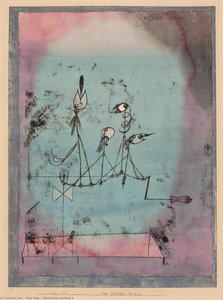
Paul Klee’s “Vibrant Exploration of Form and Color,” painted in 1932 during his prolific period in Murnau, Bavaria, stands as a testament to the artist's unwavering commitment to abstract expressionism. More than just aesthetically pleasing, this artwork embodies a complex interplay of geometric shapes—primarily squares—arranged in a dynamic composition that defies conventional spatial logic.
Klee employed watercolor on paper as his medium, recognizing its ability to achieve remarkable luminosity and blending qualities. He layered washes of color meticulously, allowing for gradual diffusion and merging of hues—a technique that perfectly complements the geometric framework of the composition.
“Vibrant Exploration of Form and Color” emerged from Klee's immersive experience in Murnau, Bavaria—a town renowned for its picturesque landscapes and burgeoning artistic community during the Weimar Republic. The painting reflects the broader intellectual currents of the time, notably the influence of the Bauhaus school of art and design, which championed geometric abstraction as a means of fostering creativity and promoting functional aesthetics.
Bauhaus Philosophy:The Bauhaus movement advocated for uniting art, craft, and technology—a paradigm shift that challenged traditional artistic conventions. Klee’s exploration of form and color aligns seamlessly with this humanist vision, prioritizing clarity of expression and harmonious integration of visual elements.
Beyond its formal qualities, “Vibrant Exploration of Form and Color” resonates with profound symbolic significance. The recurring squares—a motif that appears throughout Klee’s oeuvre—represent not merely geometric shapes but also concepts of order, stability, and containment. However, their dynamic arrangement disrupts this perceived equilibrium, suggesting an underlying tension between structure and spontaneity.
Emotional Impact:Ultimately, the painting evokes a sense of wonder and contemplation—a invitation to immerse oneself in the artist’s emotional landscape. Its vibrant colors and intricate patterns stimulate visual perception while simultaneously stirring feelings of joy, curiosity, and perhaps even melancholy.
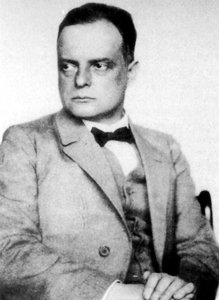
1879 - 1940 , Šveicarija
Discover how color & plate composition impact the dining experience. Explore culinary psychology insights to enhance restaurant ambiance, stimulate appetite, and elevate customer perception. Expert advice for impactful presentation.

Explore the captivating world of Paul Klee! Discover his innovative art, Bauhaus influence, & unique symbolic language. Expert analysis & high-quality reproductions at Most-Famous-Paintings.
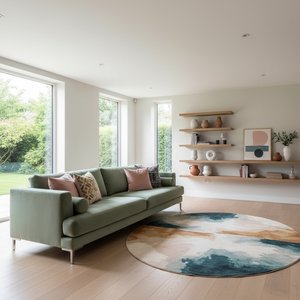
Atraskite spalvų psichologijos paslaptis interjero dizaine! Praktinės rekomendacijos ir patarimai, kaip sukurti harmoningą bei funkcionalią erdvę. Konsultacijos ir individualūs sprendimai.

Explore the evolution of geometric abstraction from Cubism to contemporary art. Discover key artists like Malevich & Mondrian, investment insights, and expert collecting advice at Most-Famous-Paintings.
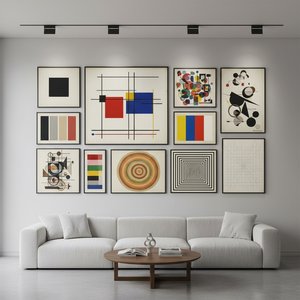
Atraskite 10 geometrinės abstrakcijos šedevrų – nuo Mondriano iki Malevičiaus! Sužinokite apie Piet Mondrian, Kazimir Malevič ir kitus menininkus. Meno kūriniai jūsų interjerui | Most-Famous-Paintings.com


Sekite naujausias meno naujienas, išskirtinius pasiūlymus ir dekoravimo idėjas.
Pasakokite mums apie savo projektą, o mūsų meno ekspertai parengs jums 3 asmeniškus meno pasiūlymus.
Leiskite mums parinkti 3 variantus būtent jums – nemokamai!


 Dalintis


 Skaityti daugiau







 Stiklo variantas prieinamas tik pasirinkus dydį iki 110 cm