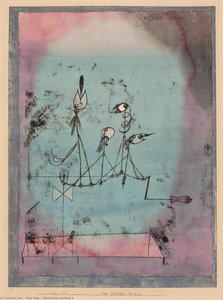
x

 PencilExpressionist Abstraction
 1926Modern
 24.0 x 31.0 cm
 Fine Arts muziejus
Rankiniu būdu tapytas aliejus ant droblio jūsų pageidaujamame dydį ir rėmuose – mūsų menininkų darbas pagal užsakymą. ( Perejti prie spausdinimo Perjungti į vaizdą)





























Pasirinkite iš mūsų nustatytų dydžių, atitinkančių originalaus meno kūrinio proporcijas.

Galite įvesti savo matmenis, kad jie atitiktų konkretų rėmą ar erdvę. Jei pasirinktas dydis neatitinka originalaus paveikslėlio proporcijų, mes arba apkropsime meno kūrinį, arba papildysime tapybą rankomis dažytい elementais. Prieš pradėdami gamybą, jūsų patvirtinimui atsiųsime skaitmeninį maketą.
Atkreipkite dėmesį, kad ekrane rodomas vaizdas neatspindi tikrojo apkarpymo ar papildymo. Tik maketas tiksliai parodys galutinę kompoziciją.
Nors galima rinktis ir individualius dydžius, rekomenduojame pasirinkti matmenis iš nustatytos sąrašo, kad būtų išlaikytos originalios proporcijos.
Pristatymas visame pasaulyje () per 3–4 savaites, o ne įprastai – per 5 savaites. (4 rugpjūtis). Kokybė lieka nepakeičiama.


Serpent
Reprodukcijos matmenys
In the quiet, monochromatic realm of Paul Klee’s 1926 masterpiece, Serpent (also known as Schlangenbeute), a primal drama unfolds with breathtaking subtlety. This graphite drawing is far more than a mere sketch of nature; it is a profound exploration of tension and the delicate balance between predator and prey. As the eye first meets the composition, one is immediately struck by the dramatic asymmetry that defines Klee’s vision. A sinuous, powerful serpent dominates the left side of the frame, its body curving with an almost musical rhythm that guides the viewer deeper into the shadows. On the lower right, a small, vulnerable rodent sits in stark contrast, appearing fragile and isolated against the encroaching darkness. This deliberate arrangement creates an immediate sense of visual weight and psychological suspense, inviting anyone who views it to hold their breath alongside the tiny creature.
The technical mastery displayed in this work lies in Klee’s ability to breathe life into simple pencil strokes. Through a sophisticated application of hatching and cross-hatching, the artist builds a rich tapestry of textures that defy the limitations of a grayscale palette. The serpent’s scales are rendered with a rhythmic complexity, where layers of graphite create depth, roughness, and a sense of muscular movement. These lines do not merely outline a shape; they vibrate with an expressive energy characteristic of Klee’s unique style—a blend of abstraction and expressionism that feels both primitive and highly intellectual. The interplay of light and shadow is masterful, as if a single, unseen light source from above is casting the serpent into sharp relief while allowing the edges of the composition to dissolve into mystery.
Beyond its physical form, Serpent serves as a vessel for profound symbolic resonance. For Klee, the serpent was a recurring motif capable of embodying the dualities of existence: wisdom and temptation, transformation and destruction. The coiled posture of the predator suggests a latent power, a moment of stillness before the strike that mirrors the precariousness of life itself. In this way, the artwork transcends its subject matter to become a meditation on the eternal struggle between opposing forces. The rodent, representing innocence and the ephemeral nature of life, provides the emotional anchor for the piece, evoking a deep sense of empathy in the observer. This tension between the imposing and the fragile makes the work an incredibly evocative piece for contemplation.
For the discerning collector or interior designer, this reproduction offers a sophisticated touch of intellectual depth to any curated space. Its monochromatic elegance allows it to integrate seamlessly into modern, minimalist, or classical environments, acting as a focal point that stimulates conversation and thought. Whether placed in a quiet study, a contemporary gallery-style living room, or a professional design studio, the piece brings with it the storied legacy of one of the 20th century's most influential visionaries. Owning a high-quality reproduction of this Klee treasure is not merely about decorating a wall; it is about inviting a timeless, rhythmic energy into one’s surroundings—a piece that captures the very essence of movement, shadow, and the beautiful, terrifying dance of instinct.
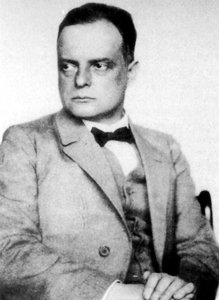
1879 - 1940 , Šveicarija

Atraskite 25 Paul Klee šedevrus! Išsami analizė, meno istorija ir įkvėpimas interjerui. Abstraktaus meno kūriniai, ekspresionizmas, spalvų harmonijos. Aukštos kokybės reprodukcijos – Most-Famous-Paintings.com

Atraskite 25 Paul Cézanno šedevrus! Išsami analizė, istorijos ir įkvėpimas interjero dekorui. Modernus menas, impresionizmas, natiurmortai – viskas Most-Famous-Paintings.com. Explore the full collection online!

Atraskite 25 įspūdingiausius Metropoliteno meno muziejaus kūrinius! Claude Monet, van Gogh ir kiti meistrai – paveikslų istorijos, spalvų paletės bei interjero dekoravimo idėjos. Meno reprodukcijos aukščiausia kokybe Most-Famous-Paintings.com
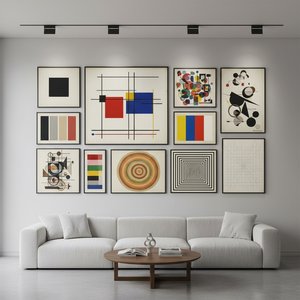
Atraskite 10 geometrinės abstrakcijos šedevrų – nuo Mondriano iki Malevičiaus! Sužinokite apie Piet Mondrian, Kazimir Malevič ir kitus menininkus. Meno kūriniai jūsų interjerui | Most-Famous-Paintings.com
Journey through Wassily Kandinsky's 25 most iconic abstract paintings. Explore his revolutionary use of color, form & spiritual expressionism. Find museum-quality Kandinsky reproductions and elevate your home decor with Most-Famous-Paintings.com. Discover all masterpieces on Most-Famous-Paintings.com!


Sekite naujausias meno naujienas, išskirtinius pasiūlymus ir dekoravimo idėjas.
Pasakokite mums apie savo projektą, o mūsų meno ekspertai parengs jums 3 asmeniškus meno pasiūlymus.
Leiskite mums parinkti 3 variantus būtent jums – nemokamai!


 Pasidalinti
 Dalintis
 Išsamiau

 Atsisiųsti
 Panašūs eksponatai
 Automatinė diorama
 Skaityti daugiau







 Stiklo variantas prieinamas tik pasirinkus dydį iki 110 cm