


x


 Pirkti atspaudą Pirkti skaitmeninį paveikslą
 Pasidalinti
 Išsamiau
 Pridėti į mėgstamiausius
 Atsisiųsti
 Panašūs eksponatai
 Rentgeno nuotrauka
 Automatinė diorama
 Oil On CanvasWallArtImpressionism
 189119th Century
 24.0 x 33.0 cm
Rankiniu būdu tapytas aliejus ant droblio jūsų pageidaujamame dydį ir rėmuose – mūsų menininkų darbas pagal užsakymą.





























Pasirinkite iš mūsų nustatytų dydžių, atitinkančių originalaus meno kūrinio proporcijas.

Galite įvesti savo matmenis, kad jie atitiktų konkretų rėmą ar erdvę. Jei pasirinktas dydis neatitinka originalaus paveikslėlio proporcijų, mes arba apkropsime meno kūrinį, arba papildysime tapybą rankomis dažytい elementais. Prieš pradėdami gamybą, jūsų patvirtinimui atsiųsime skaitmeninį maketą.
Atkreipkite dėmesį, kad ekrane rodomas vaizdas neatspindi tikrojo apkarpymo ar papildymo. Tik maketas tiksliai parodys galutinę kompoziciją.
Nors galima rinktis ir individualius dydžius, rekomenduojame pasirinkti matmenis iš nustatytos sąrašo, kad būtų išlaikytos originalios proporcijos.
Pristatymas visame pasaulyje () per 3–4 savaites, o ne įprastai – per 5 savaites. (22 liepa). Kokybė lieka nepakeičiama.


Concarneau (study)
Reprodukcijos matmenys
To gaze upon this study of Concarneau is to be transported to a moment suspended between dawn and afternoon—a breath of salty air captured on canvas. The painting immerses the viewer in an atmosphere saturated with warm, golden hues, creating a luminous haze that seems to emanate from the water itself. It is not merely a depiction of a seaside vista; it is an evocation of light’s ephemeral dance upon liquid surfaces. The composition guides the eye across the calm expanse where sailboats drift like painted dreams toward a distant, softened horizon. Here, the artist masterfully prioritizes the feeling of movement and the play of reflected color over any need for sharp, photographic detail.
This work stands as a beautiful testament to the enduring spirit of Impressionism, filtered through the thoughtful lens of Paul Signac. While the scene speaks with the immediacy of Monet’s later works, the underlying structure hints at the systematic approach that defined his career. The visible brushstrokes—short, broken dabs of pure color—are not mere stylistic flourishes; they are records of perception itself. They capture how light fractures upon water and rock, giving texture to what might otherwise appear smooth. Notice the foreground: the rocky shoreline and large boulders are rendered with a palpable impasto, allowing one to almost feel the grit beneath the fingertips. This tactile quality is central to the painting’s power.
The interplay between horizontal lines—the vast sweep of the water and sky—and the vertical accents provided by the masts and shoreline anchors the piece in a profound sense of rhythm. The sailboats themselves become rhythmic punctuation marks against the expansive canvas. Signac’s handling here suggests that the subject matter, while maritime, is deeply concerned with optical experience. The way the light catches the sails, making them glow against the deeper tones of the water, speaks to an understanding of color theory as a structural element. It is a study in atmospheric perspective, where distance softens edges until the cityscape recedes into a gentle wash of color.
Beyond its technical brilliance, this painting resonates with universal themes. The sea, eternally restless yet momentarily calm, has always symbolized the journey of life itself. These graceful sailboats are potent symbols of freedom, of passage, and of humanity’s enduring connection to nature's vast, beautiful indifference. For the collector or designer, owning this piece means bringing into a space not just a painting, but a mood—a sense of open possibility and tranquil escape. It invites contemplation on journeys taken and those yet to come.


1863 - 1935 , Prancūzija
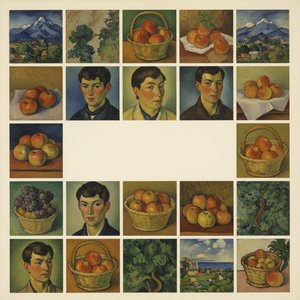
Atraskite 25 Paul Cézanno šedevrus! Išsami analizė, istorijos ir įkvėpimas interjero dekorui. Modernus menas, impresionizmas, natiurmortai – viskas Most-Famous-Paintings.com. Explore the full collection online!

Atraskite 25 Paul Klee šedevrus! Išsami analizė, meno istorija ir įkvėpimas interjerui. Abstraktaus meno kūriniai, ekspresionizmas, spalvų harmonijos. Aukštos kokybės reprodukcijos – Most-Famous-Paintings.com

Atraskite 25 įspūdingiausius Metropoliteno meno muziejaus kūrinius! Claude Monet, van Gogh ir kiti meistrai – paveikslų istorijos, spalvų paletės bei interjero dekoravimo idėjos. Meno reprodukcijos aukščiausia kokybe Most-Famous-Paintings.com
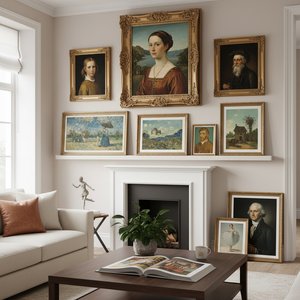
Atraskite 25 Nacionalinės galerijos meno perlus! Išsami istorija apie Monet, Picasso ir kitų žymiausių dailininkų kūrinius. Įkvėpimo interjerui ir aukštos kokybės meno reprodukcijos – Most-Famous-Paintings.com

Atraskite 25 įspūdingiausius Claude Monet šedevrus! Sužinokite apie impresionizmą, vandens lelijų paveikslus ir spalvų magiją. Meno reprodukcijos aukščiausia kokybe – Most-Famous-Paintings.com. Išsamesnės informacijos rasite internetu.


Sekite naujausias meno naujienas, išskirtinius pasiūlymus ir dekoravimo idėjas.
Pasakokite mums apie savo projektą, o mūsų meno ekspertai parengs jums 3 asmeniškus meno pasiūlymus.
Leiskite mums parinkti 3 variantus būtent jums – nemokamai!


 Dalintis

 Skaityti daugiau







 Stiklo variantas prieinamas tik pasirinkus dydį iki 110 cm


