


x
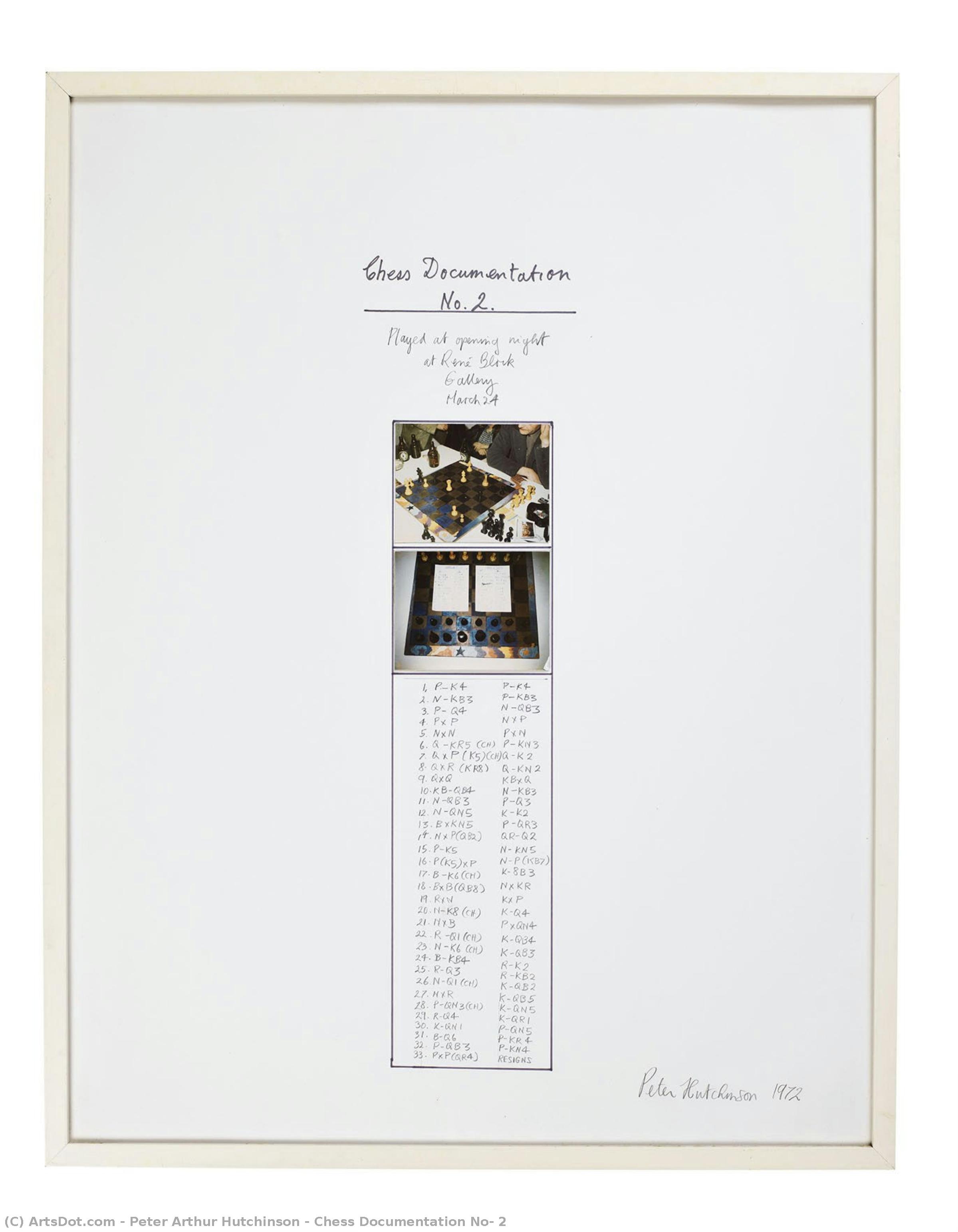
 1972
1972 67.0 x 52.0 cm
Įsigykite aukštos skiriamosios raiškos, patobulintą skaitmeninį vaizdą, gerokai pranašesnį už internetinę peržiūrą.
Kiekvieną failą mūsų specialistai kruopščiai paruošia naudojant pažangias technologijas ir profesionalų rankinį retušavimą. Užtikriname, kad kiekvienas vaizdas pasižymėtų išskirtiniu aiškumu, tikslia spalvų atspalviu ir smulkiomis detalėmis.
Baigiamas failas el. paštu pristatomas per 72 valandas; jis optimizuotas nedelsiant naudojimui profesionalioje, redakcinėje ir spausdinimo aplinkoje. Tai ta pati kokybė, kuria pasitiki aukščiausios klasės dizaino studijos, leidyklos ir galerijos.
Atsisiųskite didelės raiškos failą asmeniniam naudojimui, spausdinimui ir kūrybiniams projektams. ( Pirkti spaudinį Pirkti rankomis tapytą paveikslą)
Pasirinkę Most-Famous-Paintings.com, jūs ne tik gaunate paveikslėlį – jūs gaunate profesionaliai patobudintą skaitmeninį kūrinį, sukurtą itin tikniai ir užtikrinantį pasitenkinimą. Štai viską, kas automatiškai pritékia jūsų užsakymui:

Jūsų aukštos raiškos skaitmeninis vaizdo failas bus išsiųstas jums el. paštu per 72 valaudas nuo užsakymo – paruoštas naudojimui be jokių papildomų veiksmų.

Jūsų meno kūrinys profesionaliai optimizuojamas naudojant pažangius dirbtinio intelekto įrankius ir rankinį redagavimą, užtikrinant maksimalią detalę, aiškumą ir spalvų tikslumą.

Atsitiktinai ištrytikote ar praradote savo failą? Nebijokite – bet kuriuo metu atsiųsime jį jums vėl nemokamai.

Mėgaukitės savo meno kūriniu akimirka – skaitiniai failai visada yra neapmokestinami, todėl nereikės mokėti muitinės, mokesčių ar pristatymo mokesčių.

Naudodami profesionalią įrangą ir spalvų valdymo sistemas, užtikriname, kad jūsų skaitmeninis vaizdas kuo tiksliau atspindėtų originalias spalvas.

Jei nebuvate patenkinti savo skaitinio vaizdo, per 60 dienų jį pertaisysime arba grąkinsime 100% sumą – be jokių klausimų.

Nepat 만족inti? Gaukite visą sumokėtą sumą per 60 dienų nuo skaitmeninio failo gavimo – be jokių papildomų klausimų.

Pirkti 3 nuotraukas – pasiūla 10% - Pirkti 5 – pasiūla 15% - Pirkti 10 ir daugiau – pasiūla 20%. Puikiai tinka kūrybiniams projektams, galerijoms bei agentūroms.

Born in London, England, in 1930, Peter Arthur Hutchinson’s artistic journey is a fascinating exploration of the ephemeral, the subjective, and the dialogue between humanity and the natural world. He stands as one of the key figures who helped shape the nascent Land Art movement, while simultaneously forging a unique path through narrative mixed media and conceptual photography. His work isn't simply about depicting landscapes; it’s an active engagement with them, a layering of observation, documentation, and deliberate intervention that invites viewers to contemplate their own relationship with place and experience.
Hutchinson’s early life instilled in him a deep appreciation for the interconnectedness of things. Growing up in Britain, he developed a keen eye for detail and an interest in both the formal beauty of gardens and the wild, untamed aspects of nature. This duality would become a recurring theme in his work – a careful balance between cultivated order and spontaneous growth, structured composition and chaotic decay. His move to the United States in 1952 marked a significant shift, providing him with access to new landscapes and a broader artistic community.
Hutchinson’s arrival in America coincided with a period of intense experimentation in art. The late 1960s witnessed the rise of Land Art, spearheaded by artists like Robert Smithson and Walter De Maria, who sought to create monumental works directly within the landscape itself. Hutchinson quickly embraced this ethos, but he distinguished himself through his distinctive approach – a meticulous documentation of these interventions alongside handwritten narratives that imbued them with personal meaning. Unlike some of his contemporaries who focused on purely abstract gestures, Hutchinson’s work is deeply rooted in observation and reflection.
His signature style emerged from a combination of techniques: the careful selection and arrangement of photographic images, often sourced from everyday life; the use of gouache for layering color and texture; the incorporation of woad – a historical blue dye with a distinctive earthy tone – to evoke a sense of antiquity and connection to the past; and finally, the addition of handwritten texts that act as both captions and meditations on the work’s significance. These texts aren't merely descriptive; they are often poetic, philosophical, or playfully ironic, inviting viewers to engage in a dialogue with the artwork.
Hutchinson’s process was characterized by a deliberate sense of improvisation and chance. He frequently worked *in situ*, responding directly to the conditions of the landscape – the light, the weather, the existing vegetation. His materials were often found objects or discarded items, transformed into evocative symbols through his artistic interventions. The use of woad, in particular, is noteworthy; its historical connection to alchemy and ritual adds a layer of symbolic depth to his work.
The incorporation of handwritten text is crucial to understanding Hutchinson’s approach. He often employed a distinctive script, reminiscent of illuminated manuscripts or personal letters, lending an intimate and almost devotional quality to his narratives. These texts are not intended to provide definitive answers but rather to pose questions, invite speculation, and encourage viewers to consider their own experiences within the context of the artwork.
Among Hutchinson’s most celebrated works is “Chess Documentation No. 2,” a series of photographs documenting his interventions in a field near Los Angeles. These images capture fleeting moments of beauty and decay, juxtaposing elements such as wildflowers, discarded toys, and handwritten notes to create a complex and layered visual narrative. Similarly, "Chess Documentation No. 6" showcases his exploration of the relationship between human presence and natural processes.
His work has been exhibited extensively in museums and galleries around the world, including the Museum of Modern Art (MoMA) in New York, Centre Pompidou in Paris, and the Arp Museum in Germany. Hutchinson’s influence extends beyond Land Art, inspiring artists working in a wide range of media – from photography and collage to installation and performance art. He is remembered as a pioneer who challenged conventional notions of artistic practice and demonstrated the power of art to engage with the world in profound and meaningful ways.
Peter Arthur Hutchinson’s legacy lies not only in his distinctive visual style but also in his unwavering commitment to exploring the complexities of human experience within the context of the natural world. His work continues to resonate today, reminding us of the importance of observation, reflection, and a deep appreciation for the beauty and fragility of our planet.

1930 - , United Kingdom


Sekite naujausias meno naujienas, išskirtinius pasiūlymus ir dekoravimo idėjas.
Pasakokite mums apie savo projektą, o mūsų meno ekspertai parengs jums 3 asmeniškus meno pasiūlymus.
Leiskite mums parinkti 3 variantus būtent jums – nemokamai!


 Peržiūrėti realybėje
 Pasidalinti
 Dalintis
 Išsamiau

 Atsisiųsti
 Panašūs eksponatai
 Rentgeno nuotrauka
 Automatinė diorama
 Skaityti daugiau


