


x

Muziejų lygio „giclée“ arba drobos spausdinimas: greita gamyba ir lankstios apdailos parinktys. ( Pirkti rankomis tapytą paveikslą Pirkti vaizdą)





























Pasirinkite iš mūsų nustatytų dydžių, atitinkančių originalaus meno kūrinio proporcijas.

Galite nurodyti savo matmenis, kad vaizdas atitiktų konkretų rėmą ar erdvę. Jei pasirinktas dydis nesutaps su originalaus paveikslėlio proporcijomis, mes arba apkirpsime kūrinį, arba išplėsime vaizdą naudojant veideliu atspindėtą arba vientisą šoną. Skaitmeninis maketas bus išsiųstas jums patvirtinti prieš pradedant gamybą.
Atkreipkite dėmesį, kad ekrane matomas vaizdinys neatspindi tikrojo apkirpimo ar išplėtimo. Tik maketas tiksliai parodytų galutinę kompoziciją.
Nors galima rinktis ir individualius dydžius, rekomenduojame pasirinkti vieną iš išanksti nustatytų matmenų, kad būtų išlaikytos originalios proporcijos.
Pristatymas visame pasaulyje () per 2 weeks, o ne įprastas 4/5 savaičių laikotarpis. (22 rugpjūtis)


Cros de Cagnes
Reprodukcijos matmenys
Pierre-Auguste Renoir, arguably the quintessential Impressionist painter, gifted us with “Cros de Cagnes,” a breathtaking vista completed in 1905. More than just a depiction of scenery, this canvas embodies Renoir's artistic philosophy—a fervent pursuit of capturing fleeting moments and conveying emotion through luminous color palettes and delicate brushstrokes.
The painting transports viewers to the Provençal countryside. Renoir meticulously crafted a scene featuring a charming village nestled amongst rolling hills draped in verdant foliage. Dominating the composition is a prominent church tower, anchoring the eye and establishing a sense of grandeur against the expansive landscape. Scattered figures—walkers and residents—add life and dynamism to the tranquil tableau, subtly hinting at human presence within the natural world.
Renoir’s masterful Impressionist technique is immediately apparent. He eschewed traditional blending methods, opting instead for “broken color”—applying small, separate strokes of pigment that blend optically when viewed from a distance. This innovative approach allowed Renoir to recreate the shimmering effects of sunlight filtering through leaves and illuminating the buildings. The resulting texture contributes significantly to the painting’s atmospheric depth, immersing the viewer in the serene ambiance of Cagnes-sur-Mer.
“Cros de Cagnes” shares thematic similarities with Claude Monet's “The Road to Giverny,” both exploring landscapes bathed in natural light. However, unlike Monet’s focus on capturing the precise impression of a single location—the meandering path leading to Monet’s garden—Renoir prioritizes conveying an overall mood of peace and beauty. In contrast, Renoir’s “Treboul” presents a more intimate portrayal of a solitary building enveloped by nature, emphasizing textural nuances and subtle tonal variations.
“Cros de Cagnes” resides in the Museum Art Association of Richmond's collection, demonstrating its enduring appeal to art enthusiasts. Its evocative depiction of rural France continues to inspire admiration for Renoir’s artistic prowess and his ability to translate visual experience into emotionally resonant artwork. This painting stands as a testament to Impressionism’s legacy—a movement dedicated to capturing the ephemeral beauty of everyday life.
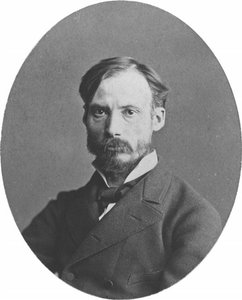
1841 - 1919 , Prancūzija

Atraskite 25 Pierre'Auguste Renoir šedevrus! Impresionizmo meistro paveikslai, kupini šviesos ir grožio. Meno istorija, technikos paslaptys ir įkvėpimas jūsų interjerui. Aukštos kokybės reprodukcijos – Most-Famous-Paintings.com
Atraskite 25 Paul Cézanno šedevrus! Išsami analizė, istorijos ir įkvėpimas interjero dekorui. Modernus menas, impresionizmas, natiurmortai – viskas Most-Famous-Paintings.com. Explore the full collection online!

Journey into the heart of Impressionism! Explore 10 masterpieces by Monet, Renoir & Degas that revolutionized landscape art. Discover their stories, techniques & find museum-quality reproductions to elevate your home decor on Most-Famous-Paintings.com.

Atraskite 10 impresionistinio peizažo šedevrų, kuriuos įkvėpė Monet, Renoir ir kiti! Sužinokite apie jų kūrybos istorijas bei spalvų magiją. Aukščiausios kokybės dailės reprodukcijos – Most-Famous-Paintings.com. Išskirtinis interjero dizainas jūsų namams!

Atraskite 10 įspūdingiausių impresionizmo šedevrų! Claude Monet, Degas, Renoir ir kiti – meno istorijos perlas. Aliejiniai paveikslai jūsų interjerui. Most-Famous-Paintings.com: aukštos kokybės reprodukcijos ir inspiracija namams.


Sekite naujausias meno naujienas, išskirtinius pasiūlymus ir dekoravimo idėjas.
Pasakokite mums apie savo projektą, o mūsų meno ekspertai parengs jums 3 asmeniškus meno pasiūlymus.
Leiskite mums parinkti 3 variantus būtent jums – nemokamai!


 Peržiūrėti realybėje
 Pasidalinti
 Dalintis
 Išsamiau

 Atsisiųsti
 Panašūs eksponatai
 Rentgeno nuotrauka
 Automatinė diorama

 Skaityti daugiau







 Stiklo variantas prieinamas tik pasirinkus dydį iki 110 cm


