x

Muziejų lygio „giclée“ arba drobos spausdinimas: greita gamyba ir lankstios apdailos parinktys. ( Pirkti rankomis tapytą paveikslą Pirkti vaizdą)





























Pasirinkite iš mūsų nustatytų dydžių, atitinkančių originalaus meno kūrinio proporcijas.

Galite nurodyti savo matmenis, kad vaizdas atitiktų konkretų rėmą ar erdvę. Jei pasirinktas dydis nesutaps su originalaus paveikslėlio proporcijomis, mes arba apkirpsime kūrinį, arba išplėsime vaizdą naudojant veideliu atspindėtą arba vientisą šoną. Skaitmeninis maketas bus išsiųstas jums patvirtinti prieš pradedant gamybą.
Atkreipkite dėmesį, kad ekrane matomas vaizdinys neatspindi tikrojo apkirpimo ar išplėtimo. Tik maketas tiksliai parodytų galutinę kompoziciją.
Nors galima rinktis ir individualius dydžius, rekomenduojame pasirinkti vieną iš išanksti nustatytų matmenų, kad būtų išlaikytos originalios proporcijos.
Pristatymas visame pasaulyje () per 2 weeks, o ne įprastas 4/5 savaičių laikotarpis. (21 rugpjūtis)


Landscape 13
Reprodukcijos matmenys
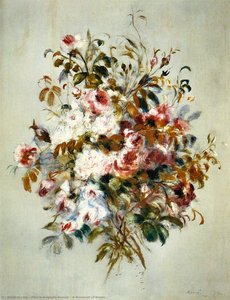
Pierre-Auguste Renoir’s Landscape 13 stands as a quintessential embodiment of Impressionism, capturing not merely what the eye sees but rather how light dances upon surfaces—a technique that revolutionized painting in the late nineteenth century. Executed around 1875-76 during Renoir's formative years within the Parisian avant-garde, this oil on canvas offers more than just a picturesque depiction of a field ablaze with scarlet poppies; it’s an invitation to experience the very essence of Impressionist philosophy.
Landscape 13 emerged during a period of significant artistic experimentation in France, fueled by breakthroughs in optics and scientific understanding of light. Impressionists like Renoir were profoundly influenced by Claude Monet’s pioneering explorations of plein air painting—working outdoors directly from nature—and Eugène Boudin's advocacy for capturing atmospheric conditions. These artists rejected the academic conventions of their time, prioritizing subjective perception over objective representation.
Renoir himself meticulously studied the works of Old Masters such as Rembrandt and Rubens, absorbing their mastery of chiaroscuro (the dramatic interplay between light and shadow) – a technique he subtly adapts to enrich his landscapes. This intellectual grounding informs his artistic vision, demonstrating a deep appreciation for both tradition and innovation.
Beyond its visual beauty, Landscape 13 resonates with symbolic meaning. The poppies—often associated with remembrance and passion—represent the ephemeral nature of life and beauty itself. Simultaneously, the verdant foliage symbolizes growth, renewal, and harmony with the natural world. Renoir’s aim wasn't simply to depict a landscape; he sought to evoke an emotional response in the viewer – capturing the serenity and joy inherent in experiencing the splendor of springtime.
At Most-Famous-Paintings.com, you can acquire a stunning handmade oil painting reproduction of Landscape 13, preserving this masterpiece’s captivating luminescence for generations to come. Explore similar works by Renoir—including Claude Monet Painting in his Garden at Arenteuil and Coco's Head—and discover the enduring legacy of Impressionism!

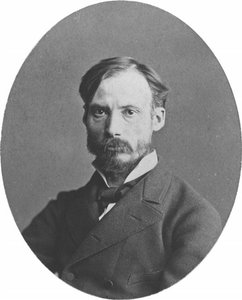
1841 - 1919 , Prancūzija


Sekite naujausias meno naujienas, išskirtinius pasiūlymus ir dekoravimo idėjas.
Pasakokite mums apie savo projektą, o mūsų meno ekspertai parengs jums 3 asmeniškus meno pasiūlymus.
Leiskite mums parinkti 3 variantus būtent jums – nemokamai!


 Peržiūrėti realybėje
 Pasidalinti
 Dalintis
 Išsamiau

 Atsisiųsti
 Panašūs eksponatai
 Rentgeno nuotrauka
 Automatinė diorama
 Skaityti daugiau







 Stiklo variantas prieinamas tik pasirinkus dydį iki 110 cm