


x

 Oil On CanvasWallArtImpressionism
 1868
1868 64.0 x 48.0 cm
Įsigykite aukštos skiriamosios raiškos, patobulintą skaitmeninį vaizdą, gerokai pranašesnį už internetinę peržiūrą.
Kiekvieną failą mūsų specialistai kruopščiai paruošia naudojant pažangias technologijas ir profesionalų rankinį retušavimą. Užtikriname, kad kiekvienas vaizdas pasižymėtų išskirtiniu aiškumu, tikslia spalvų atspalviu ir smulkiomis detalėmis.
Baigiamas failas el. paštu pristatomas per 72 valandas; jis optimizuotas nedelsiant naudojimui profesionalioje, redakcinėje ir spausdinimo aplinkoje. Tai ta pati kokybė, kuria pasitiki aukščiausios klasės dizaino studijos, leidyklos ir galerijos.
Atsisiųskite didelės raiškos failą asmeniniam naudojimui, spausdinimui ir kūrybiniams projektams. ( Pirkti spaudinį Pirkti rankomis tapytą paveikslą)
Pasirinkę Most-Famous-Paintings.com, jūs ne tik gaunate paveikslėlį – jūs gaunate profesionaliai patobudintą skaitmeninį kūrinį, sukurtą itin tikniai ir užtikrinantį pasitenkinimą. Štai viską, kas automatiškai pritékia jūsų užsakymui:

Jūsų aukštos raiškos skaitmeninis vaizdo failas bus išsiųstas jums el. paštu per 72 valaudas nuo užsakymo – paruoštas naudojimui be jokių papildomų veiksmų.

Jūsų meno kūrinys profesionaliai optimizuojamas naudojant pažangius dirbtinio intelekto įrankius ir rankinį redagavimą, užtikrinant maksimalią detalę, aiškumą ir spalvų tikslumą.

Atsitiktinai ištrytikote ar praradote savo failą? Nebijokite – bet kuriuo metu atsiųsime jį jums vėl nemokamai.

Mėgaukitės savo meno kūriniu akimirka – skaitiniai failai visada yra neapmokestinami, todėl nereikės mokėti muitinės, mokesčių ar pristatymo mokesčių.

Naudodami profesionalią įrangą ir spalvų valdymo sistemas, užtikriname, kad jūsų skaitmeninis vaizdas kuo tiksliau atspindėtų originalias spalvas.

Jei nebuvate patenkinti savo skaitinio vaizdo, per 60 dienų jį pertaisysime arba grąkinsime 100% sumą – be jokių klausimų.

Nepat 만족inti? Gaukite visą sumokėtą sumą per 60 dienų nuo skaitmeninio failo gavimo – be jokių papildomų klausimų.

Pirkti 3 nuotraukas – pasiūla 10% - Pirkti 5 – pasiūla 15% - Pirkti 10 ir daugiau – pasiūla 20%. Puikiai tinka kūrybiniams projektams, galerijoms bei agentūroms.
Pierre-Auguste Renoir's "Landscape," painted in 1868, isn’t merely a depiction of a field; it’s an immersion into the very essence of Impressionism – a fleeting moment captured with audacious brushstrokes and a profound understanding of light. This work, currently residing in private collection, offers a glimpse into Renoir's formative years as he wrestled with the burgeoning movement that would define his legacy. It stands as a testament to his early explorations of capturing not just what *is*, but how it *feels* – the warmth of the sun on skin, the dappled shade beneath trees, and the quiet serenity of rural life.
Renoir’s technique in “Landscape” is a masterclass in capturing the ephemeral qualities of light. He abandons the meticulous detail favored by earlier generations, opting instead for loose, visible brushstrokes that create an almost shimmering effect. The colors aren't blended smoothly; they are juxtaposed and layered, allowing each hue to retain its individual vibrancy. Notice how he uses a delicate range of greens – from pale celadon to deeper viridian – to depict the foliage, while warm ochres and yellows illuminate the field and the distant cottage. The sky isn’t rendered as a uniform blue; instead, it's built up with strokes of cerulean, cobalt, and lavender, suggesting movement and atmospheric depth. This deliberate lack of finish is characteristic of Impressionism – an attempt to represent the *impression* of light rather than a photographic reproduction.
The subject matter itself—a simple landscape featuring a thatched cottage nestled within a field of grazing cows—holds layers of symbolic meaning. In 19th-century France, rural life was increasingly viewed as an escape from the pressures and anxieties of urban existence. Renoir’s depiction suggests a longing for this simpler way of life, a yearning for connection with nature. The presence of the cows themselves can be interpreted as symbols of abundance and fertility – essential elements in the agrarian worldview. The cottage, bathed in sunlight, represents domesticity and tranquility, offering a visual anchor within the expansive landscape. It’s important to note that this wasn't simply a realistic portrayal; Renoir infused it with an emotional resonance, hinting at a deeper narrative beyond the surface.
“Landscape” was painted during a pivotal moment in art history – the rise of Impressionism. Artists like Renoir were rejecting the rigid academic traditions of the Salon, seeking to paint *en plein air* (outdoors) and capturing the fleeting effects of light and atmosphere. This movement challenged established notions of beauty and representation, paving the way for modern art. The influence of artists such as Claude Monet is evident in Renoir’s focus on capturing the transient qualities of light and color. Furthermore, the work reflects a broader cultural shift—a growing interest in nature and a desire to reconnect with the natural world following the rapid industrialization of France. Museums like the Petit Palais and Musée Fournaise, both located near Paris, played a crucial role in fostering this artistic movement by showcasing works that challenged traditional norms.
The painting’s enduring appeal lies not only in its technical brilliance but also in its ability to evoke a sense of nostalgia for a bygone era. It's a reminder of the beauty and tranquility that can be found in the simplest of landscapes, captured with an artist’s eye and infused with emotion.

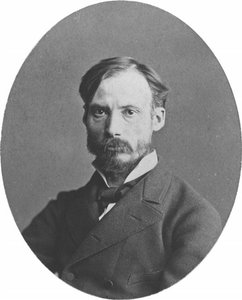
1841 - 1919 , Prancūzija


Sekite naujausias meno naujienas, išskirtinius pasiūlymus ir dekoravimo idėjas.
Pasakokite mums apie savo projektą, o mūsų meno ekspertai parengs jums 3 asmeniškus meno pasiūlymus.
Leiskite mums parinkti 3 variantus būtent jums – nemokamai!


 Peržiūrėti realybėje
 Pasidalinti
 Dalintis
 Išsamiau

 Atsisiųsti
 Panašūs eksponatai
 Rentgeno nuotrauka
 Automatinė diorama
 Skaityti daugiau


