


x

Rankiniu būdu tapytas aliejus ant droblio jūsų pageidaujamame dydį ir rėmuose – mūsų menininkų darbas pagal užsakymą. ( Pirkti spaudinį Pirkti vaizdą)





























Pasirinkite iš mūsų nustatytų dydžių, atitinkančių originalaus meno kūrinio proporcijas.

Galite įvesti savo matmenis, kad jie atitiktų konkretų rėmą ar erdvę. Jei pasirinktas dydis neatitinka originalaus paveikslėlio proporcijų, mes arba apkropsime meno kūrinį, arba papildysime tapybą rankomis dažytい elementais. Prieš pradėdami gamybą, jūsų patvirtinimui atsiųsime skaitmeninį maketą.
Atkreipkite dėmesį, kad ekrane rodomas vaizdas neatspindi tikrojo apkarpymo ar papildymo. Tik maketas tiksliai parodys galutinę kompoziciją.
Nors galima rinktis ir individualius dydžius, rekomenduojame pasirinkti matmenis iš nustatytos sąrašo, kad būtų išlaikytos originalios proporcijos.
Pristatymas visame pasaulyje () per 3–4 savaites, o ne įprastai – per 5 savaites. (21 rugpjūtis). Kokybė lieka nepakeičiama.


The Footpath
Reprodukcijos matmenys
Pierre-Auguste Renoir’s “The Footpath,” completed in 1917, isn't merely a depiction of a woodland scene; it’s an embodiment of the Impressionist ethos—a fervent pursuit of capturing fleeting moments of beauty and emotion. Painted during a period marked by significant artistic experimentation and societal upheaval, this canvas stands as a testament to Renoir’s masterful ability to distill the essence of nature into luminous color palettes and delicately rendered textures.
The historical context surrounding “The Footpath” is equally compelling. Created during World War I, Renoir’s work reflects a desire for respite from the horrors of conflict—a yearning for beauty and harmony amidst chaos. The painting's muted palette and soft focus serve as an antidote to the anxieties of the time, inviting viewers to contemplate the restorative power of nature.
Symbolically, “The Footpath” speaks to themes of journey, exploration, and connection with the natural world. The winding path represents a path forward—a continuous flow of experience—while the surrounding trees symbolize resilience and growth. Renoir’s deliberate use of color contributes to the painting's emotional impact—creating an atmosphere that is both calming and invigorating.
Considered alongside other Impressionist masterpieces like Claude Monet’s “Impression, soleil levant” and Edgar Degas’ ballet dancers, “The Footpath” exemplifies Renoir’s unwavering commitment to capturing the sublime beauty of the natural world. Its enduring appeal lies in its ability to transport viewers back to a moment in time—a reminder that even amidst turbulent circumstances, art can offer solace and inspiration.
Somerville College, Oxford, United Kingdom, boasts a remarkable art collection featuring works from diverse periods and movements—including Impressionism. Discover more about their artistic heritage on Most-Famous-Paintings's article.
Paul Cezanne’s “Bathers. Mont Sainte-Victoire in the Background,” showcased on Most-Famous-Paintings's website, represents another pivotal contribution to Modern Art.
Finally, immerse yourself in the broader world of Impressionism by exploring Wikipedia: Wikipedia.

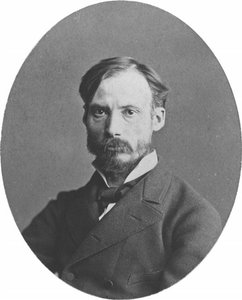
1841 - 1919 , Prancūzija

Atraskite 25 Pierre'Auguste Renoir šedevrus! Impresionizmo meistro paveikslai, kupini šviesos ir grožio. Meno istorija, technikos paslaptys ir įkvėpimas jūsų interjerui. Aukštos kokybės reprodukcijos – Most-Famous-Paintings.com

Journey into the heart of Impressionism! Explore 10 masterpieces by Monet, Renoir & Degas that revolutionized landscape art. Discover their stories, techniques & find museum-quality reproductions to elevate your home decor on Most-Famous-Paintings.com.
Atraskite 25 Paul Cézanno šedevrus! Išsami analizė, istorijos ir įkvėpimas interjero dekorui. Modernus menas, impresionizmas, natiurmortai – viskas Most-Famous-Paintings.com. Explore the full collection online!

Explore the rich history of landscape art with Most-Famous-Paintings. Discover renowned artists, movements like Impressionism & Romanticism, and expert guidance for collecting timeless pieces. Find your perfect serene escape today!

Explore the history of serene landscapes in art! Discover renowned artists like Monet & Munch, movements from Impressionism to Tonalism, and find the perfect piece to bring tranquility to your home. Expert insights at Most-Famous-Paintings.


Sekite naujausias meno naujienas, išskirtinius pasiūlymus ir dekoravimo idėjas.
Pasakokite mums apie savo projektą, o mūsų meno ekspertai parengs jums 3 asmeniškus meno pasiūlymus.
Leiskite mums parinkti 3 variantus būtent jums – nemokamai!


 Peržiūrėti realybėje
 Pasidalinti
 Dalintis
 Išsamiau

 Atsisiųsti
 Panašūs eksponatai
 Rentgeno nuotrauka
 Automatinė diorama

 Skaityti daugiau







 Stiklo variantas prieinamas tik pasirinkus dydį iki 110 cm


