x

Rankiniu būdu tapytas aliejus ant droblio jūsų pageidaujamame dydį ir rėmuose – mūsų menininkų darbas pagal užsakymą. ( Pirkti spaudinį Pirkti vaizdą)





























Pasirinkite iš mūsų nustatytų dydžių, atitinkančių originalaus meno kūrinio proporcijas.

Galite įvesti savo matmenis, kad jie atitiktų konkretų rėmą ar erdvę. Jei pasirinktas dydis neatitinka originalaus paveikslėlio proporcijų, mes arba apkropsime meno kūrinį, arba papildysime tapybą rankomis dažytい elementais. Prieš pradėdami gamybą, jūsų patvirtinimui atsiųsime skaitmeninį maketą.
Atkreipkite dėmesį, kad ekrane rodomas vaizdas neatspindi tikrojo apkarpymo ar papildymo. Tik maketas tiksliai parodys galutinę kompoziciją.
Nors galima rinktis ir individualius dydžius, rekomenduojame pasirinkti matmenis iš nustatytos sąrašo, kad būtų išlaikytos originalios proporcijos.
Pristatymas visame pasaulyje () per 3–4 savaites, o ne įprastai – per 5 savaites. (19 rugpjūtis). Kokybė lieka nepakeičiama.


Three Lemons
Reprodukcijos matmenys
Pierre-Auguste Renoir's “Three Lemons,” painted in 1918, stands as a quintessential embodiment of Impressionism—a movement that revolutionized painting by prioritizing fleeting impressions of light and color over meticulous realism. More than just a depiction of fruit on a table, this deceptively simple composition is a masterful exercise in capturing the ephemeral beauty of everyday life, reflecting Renoir’s core artistic philosophy.
The painting’s visual impact is immediately striking. Three lemons dominate the canvas, positioned centrally against a softly blurred background—a deliberate choice designed to heighten their prominence and immerse the viewer in the scene's radiant warmth. The artist skillfully renders the lemons with expressive brushstrokes that convey not just their form but also their texture and the way light dances across their surfaces. Notice how Renoir captures the subtle variations in yellow tones, hinting at the complexities hidden beneath a surface appearance.
Created during World War I, “Three Lemons” speaks to a broader cultural preoccupation with beauty and tranquility amidst turbulent times. Impressionism emerged as a reaction against academic painting’s rigid conventions, seeking instead to depict the sensory experience of modern life—a pursuit perfectly exemplified by Renoir's focus on capturing the immediacy of light and color.
Renoir’s fascination with capturing natural beauty extended beyond still lifes. Works like “Still Life with Lemons and Fruits from the Midi” demonstrate his ability to infuse ordinary subjects with extraordinary vibrancy, mirroring the spirit of Impressionism itself. You can admire these masterpieces at Musée des Beaux-Arts Carcassonne, France.
While seemingly straightforward, “Three Lemons” carries symbolic weight. The lemon—often associated with freshness, optimism, and purity—represents a celebration of simple pleasures and an affirmation of life’s beauty. Renoir's masterful rendering elevates these humble objects into symbols of artistic contemplation.
Handmade oil painting reproductions of “Three Lemons” are available on Most-Famous-Paintings.com, allowing art enthusiasts to experience the enduring allure of Impressionism firsthand. Like all great artworks, Renoir’s “Three Lemons” continues to inspire awe and wonder—a testament to his artistic genius and a beautiful addition to any home.

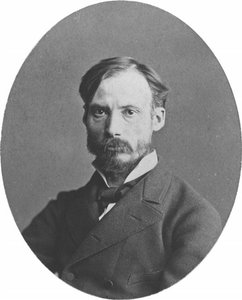
1841 - 1919 , Prancūzija

Atraskite 25 Pierre'Auguste Renoir šedevrus! Impresionizmo meistro paveikslai, kupini šviesos ir grožio. Meno istorija, technikos paslaptys ir įkvėpimas jūsų interjerui. Aukštos kokybės reprodukcijos – Most-Famous-Paintings.com

Atraskite 10 impresionizmo šedevrų, kurie apibrėžė meno pasaulį! Monetas, Renoiras ir kiti legendiniai dailininkai. Sužinokite apie spalvas, techniką bei istoriją. Aukštos kokybės reprodukcijos – puiki interjero detalė. Išnagrinėkite visą kolekciją Most-Famous-Paintings.com!
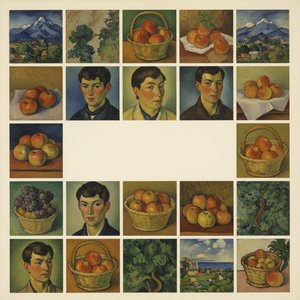
Atraskite 25 Paul Cézanno šedevrus! Išsami analizė, istorijos ir įkvėpimas interjero dekorui. Modernus menas, impresionizmas, natiurmortai – viskas Most-Famous-Paintings.com. Explore the full collection online!

Explore the captivating world of Pierre-Auguste Renoir! Discover his life, iconic Impressionist masterpieces & enduring legacy with our expert guide. High-quality reproductions available.

Atraskite 10 įspūdingiausių impresionizmo šedevrų! Claude Monet, Degas, Renoir ir kiti – meno istorijos perlas. Aliejiniai paveikslai jūsų interjerui. Most-Famous-Paintings.com: aukštos kokybės reprodukcijos ir inspiracija namams.


Sekite naujausias meno naujienas, išskirtinius pasiūlymus ir dekoravimo idėjas.
Pasakokite mums apie savo projektą, o mūsų meno ekspertai parengs jums 3 asmeniškus meno pasiūlymus.
Leiskite mums parinkti 3 variantus būtent jums – nemokamai!


 Peržiūrėti realybėje
 Pasidalinti
 Dalintis
 Išsamiau

 Atsisiųsti
 Panašūs eksponatai
 Rentgeno nuotrauka
 Automatinė diorama

 Skaityti daugiau







 Stiklo variantas prieinamas tik pasirinkus dydį iki 110 cm