


x


 Užsisakyti kopiją Pirkti skaitmeninį paveikslą
 Pasidalinti
 Išsamiau
 Pridėti į mėgstamiausius
 Atsisiųsti
 Panašūs eksponatai
 Rentgeno nuotrauka
 Automatinė diorama
Muziejų lygio „giclée“ arba drobos spausdinimas: greita gamyba ir lankstios apdailos parinktys.
Pasirinkite iš mūsų nustatytų dydžių, atitinkančių originalaus meno kūrinio proporcijas.

Galite nurodyti savo matmenis, kad vaizdas atitiktų konkretų rėmą ar erdvę. Jei pasirinktas dydis nesutaps su originalaus paveikslėlio proporcijomis, mes arba apkirpsime kūrinį, arba išplėsime vaizdą naudojant veideliu atspindėtą arba vientisą šoną. Skaitmeninis maketas bus išsiųstas jums patvirtinti prieš pradedant gamybą.
Atkreipkite dėmesį, kad ekrane matomas vaizdinys neatspindi tikrojo apkirpimo ar išplėtimo. Tik maketas tiksliai parodytų galutinę kompoziciją.
Nors galima rinktis ir individualius dydžius, rekomenduojame pasirinkti vieną iš išanksti nustatytų matmenų, kad būtų išlaikytos originalios proporcijos.
Pristatymas visame pasaulyje () per 2 weeks, o ne įprastas 4/5 savaičių laikotarpis. (22 liepa)


The Boulevards
Reprodukcijos matmenys
Pierre Bonnard’s “Les Boulevards,” created in 1900, isn't merely a depiction of a city street; it’s a distillation of the artist’s perception of Paris at the turn of the century—a moment brimming with both vibrancy and melancholy. Bonnard, known for his ‘Intimist’ style, eschewed grand narratives in favor of capturing fleeting impressions, prioritizing atmosphere over precise detail.
Executed in lithograph on Chine paper, “Les Boulevards” showcases Bonnard's masterful command of color. He employs a restrained palette—primarily greens, violet, and pink—to build up layers of tonal nuance that imbue the scene with an ethereal glow. Unlike Impressionists who sought to capture sunlight’s fleeting effects, Bonnard deliberately muted colors, creating a sense of subdued luminosity that reflects the diffused light filtering through the buildings.
The composition is deceptively simple yet profoundly effective. Bonnard centers his gaze on a towering edifice—likely a hotel or commercial building—against which he places several figures strolling along the boulevard. The perspective is subtly flattened, compressing space and drawing the viewer inward, mirroring the artist’s desire to convey intimacy rather than grandeur. Notice how Bonnard uses overlapping planes of color to create depth without resorting to traditional shading techniques.
"Les Boulevards" emerged during the Belle Époque—Paris's golden age—a period characterized by optimism, technological advancement, and cultural flourishing. However, Bonnard’s artistic vision wasn’t solely driven by celebration; it was informed by a growing disillusionment with academic conventions. He belonged to the Nabis group, artists who rebelled against realism and championed expressive color and form as vehicles for conveying emotion.
Beyond its visual elements, “Les Boulevards” speaks to deeper themes of urban life, solitude, and contemplation. The figures themselves are rendered with understated dignity, suggesting a quiet resilience amidst the bustle of the city. Bonnard’s use of color—particularly the muted greens—evokes associations with nature, hinting at an underlying yearning for tranquility and escape from the pressures of modern society. Ultimately, this lithograph invites us to consider not just what we see but also what we feel.


1867 - 1947 , Prancūzija

Atraskite 25 Pierre'Auguste Renoir šedevrus! Impresionizmo meistro paveikslai, kupini šviesos ir grožio. Meno istorija, technikos paslaptys ir įkvėpimas jūsų interjerui. Aukštos kokybės reprodukcijos – Most-Famous-Paintings.com
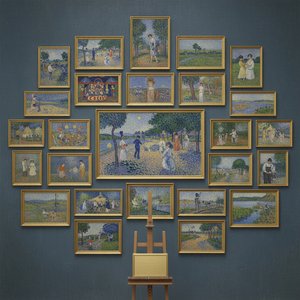
Atraskite 25 Georges Seurat šedevrus! Išsami analizė, istorijos ir įkvėpimas interjero dizainui. Pointilizmo meistras, impresionizmas ir chromoluminarizmas – viskas Most-Famous-Paintings.com. Explore the full collection online!

Atraskite 10 įspūdingiausių impresionizmo šedevrų! Claude Monet, Degas, Renoir ir kiti – meno istorijos perlas. Aliejiniai paveikslai jūsų interjerui. Most-Famous-Paintings.com: aukštos kokybės reprodukcijos ir inspiracija namams.

Atraskite 10 impresionizmo šedevrų, kurie apibrėžė meno pasaulį! Monetas, Renoiras ir kiti legendiniai dailininkai. Sužinokite apie spalvas, techniką bei istoriją. Aukštos kokybės reprodukcijos – puiki interjero detalė. Išnagrinėkite visą kolekciją Most-Famous-Paintings.com!

Explore the captivating world of Pierre Bonnard, a master of Post-Impressionism and Intimism. Discover his vibrant use of color, intimate scenes & lasting legacy with Most-Famous-Paintings.


Sekite naujausias meno naujienas, išskirtinius pasiūlymus ir dekoravimo idėjas.
Pasakokite mums apie savo projektą, o mūsų meno ekspertai parengs jums 3 asmeniškus meno pasiūlymus.
Leiskite mums parinkti 3 variantus būtent jums – nemokamai!


 Dalintis


 Skaityti daugiau




































 Stiklo variantas prieinamas tik pasirinkus dydį iki 110 cm


