


x


Rankiniu būdu tapytas aliejus ant droblio jūsų pageidaujamame dydį ir rėmuose – mūsų menininkų darbas pagal užsakymą. ( Switch to Print Switch to Image)





























Pasirinkite iš mūsų nustatytų dydžių, atitinkančių originalaus meno kūrinio proporcijas.

Galite įvesti savo matmenis, kad jie atitiktų konkretų rėmą ar erdvę. Jei pasirinktas dydis neatitinka originalaus paveikslėlio proporcijų, mes arba apkropsime meno kūrinį, arba papildysime tapybą rankomis dažytい elementais. Prieš pradėdami gamybą, jūsų patvirtinimui atsiųsime skaitmeninį maketą.
Atkreipkite dėmesį, kad ekrane rodomas vaizdas neatspindi tikrojo apkarpymo ar papildymo. Tik maketas tiksliai parodys galutinę kompoziciją.
Nors galima rinktis ir individualius dydžius, rekomenduojame pasirinkti matmenis iš nustatytos sąrašo, kad būtų išlaikytos originalios proporcijos.
Pristatymas visame pasaulyje () per 3–4 savaites, o ne įprastai – per 5 savaites. (28 liepa). Kokybė lieka nepakeičiama.


The Windows
Reprodukcijos matmenys
Pierre Bonnard's “The Windows,” painted in 1925, is more than just a still life; it’s an intimate meditation on light, memory, and the quiet beauty of domesticity. The artwork immediately draws the viewer into a warmly lit interior space, a room imbued with a palpable sense of tranquility. Through the open window, a vibrant Mediterranean town unfolds – a distant echo of warmth and color that subtly shapes the mood of the scene. Bonnard’s masterful use of perspective creates a layered composition, guiding our eye from the tangible objects within the room—a book titled ‘Marie,’ a paintbrush, an inkwell—to the expansive vista beyond, blurring the boundaries between the personal and the universal.
Beyond its technical brilliance, “The Windows” is rich in symbolic potential. The inclusion of ‘Marie,’ a book bearing this name, has been interpreted as representing love or memory – perhaps a cherished recollection brought to life through the artist’s gaze. The window itself acts as a portal, not just to a physical location but also to a realm of contemplation and introspection. The simplified shapes and organic forms throughout the composition suggest a desire to capture the essence of things rather than their precise details, aligning with Bonnard's broader artistic philosophy.
Painted in 1925, “The Windows” reflects the evolving artistic landscape of early 20th-century France. Bonnard was working at a pivotal moment, navigating between the traditions of Impressionism and the radical experimentation of Cubism and other avant-garde movements. His work, though rooted in observation, is profoundly subjective, prioritizing emotional resonance over objective representation. This approach anticipated many of the developments that would shape modern art.
Artist Information: Pierre Bonnard (1867-1947) was a prominent figure in the Post-Impressionist movement, renowned for his evocative depictions of domestic interiors and landscapes. His distinctive style, characterized by bold color choices, loose brushwork, and a focus on capturing light and atmosphere, continues to captivate audiences today.

1867 - 1947 , Prancūzija

Atraskite 25 Pierre'Auguste Renoir šedevrus! Impresionizmo meistro paveikslai, kupini šviesos ir grožio. Meno istorija, technikos paslaptys ir įkvėpimas jūsų interjerui. Aukštos kokybės reprodukcijos – Most-Famous-Paintings.com

Atraskite 25 įspūdingiausius Metropoliteno meno muziejaus kūrinius! Claude Monet, van Gogh ir kiti meistrai – paveikslų istorijos, spalvų paletės bei interjero dekoravimo idėjos. Meno reprodukcijos aukščiausia kokybe Most-Famous-Paintings.com

Atraskite Detroito meno instituto 25 geriausius šedevrus! Van Goghas, Monet ir kiti garsūs dailininkai. Tapybos istorijos, interjero dekoravimo idėjos bei aukštos kokybės reprodukcijos Most-Famous-Paintings.com. Explore the full collection online!
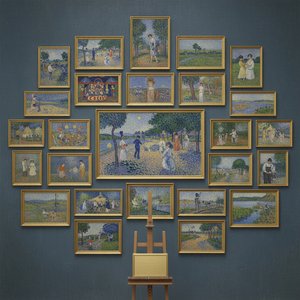
Atraskite 25 Georges Seurat šedevrus! Išsami analizė, istorijos ir įkvėpimas interjero dizainui. Pointilizmo meistras, impresionizmas ir chromoluminarizmas – viskas Most-Famous-Paintings.com. Explore the full collection online!
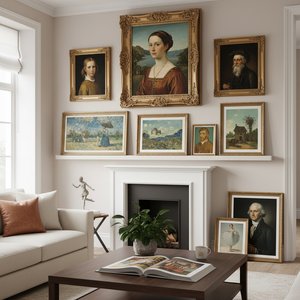
Atraskite 25 Nacionalinės galerijos meno perlus! Išsami istorija apie Monet, Picasso ir kitų žymiausių dailininkų kūrinius. Įkvėpimo interjerui ir aukštos kokybės meno reprodukcijos – Most-Famous-Paintings.com


Sekite naujausias meno naujienas, išskirtinius pasiūlymus ir dekoravimo idėjas.
Pasakokite mums apie savo projektą, o mūsų meno ekspertai parengs jums 3 asmeniškus meno pasiūlymus.
Leiskite mums parinkti 3 variantus būtent jums – nemokamai!


 Preview
 Pasidalinti
 Dalintis
 Išsamiau

 Atsisiųsti
 Panašūs eksponatai
 Rentgeno nuotrauka
 Automatinė diorama

 Skaityti daugiau







 Stiklo variantas prieinamas tik pasirinkus dydį iki 110 cm


