x

Rankiniu būdu tapytas aliejus ant droblio jūsų pageidaujamame dydį ir rėmuose – mūsų menininkų darbas pagal užsakymą. ( Pirkti spaudinį Pirkti vaizdą)





























Pasirinkite iš mūsų nustatytų dydžių, atitinkančių originalaus meno kūrinio proporcijas.

Galite įvesti savo matmenis, kad jie atitiktų konkretų rėmą ar erdvę. Jei pasirinktas dydis neatitinka originalaus paveikslėlio proporcijų, mes arba apkropsime meno kūrinį, arba papildysime tapybą rankomis dažytい elementais. Prieš pradėdami gamybą, jūsų patvirtinimui atsiųsime skaitmeninį maketą.
Atkreipkite dėmesį, kad ekrane rodomas vaizdas neatspindi tikrojo apkarpymo ar papildymo. Tik maketas tiksliai parodys galutinę kompoziciją.
Nors galima rinktis ir individualius dydžius, rekomenduojame pasirinkti matmenis iš nustatytos sąrašo, kad būtų išlaikytos originalios proporcijos.
Pristatymas visame pasaulyje () per 3–4 savaites, o ne įprastai – per 5 savaites. (19 rugpjūtis). Kokybė lieka nepakeičiama.


Duna
Reprodukcijos matmenys
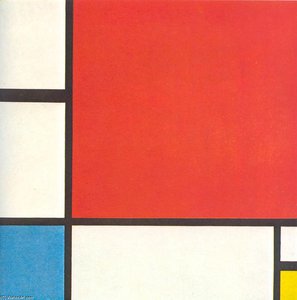
Piet Mondrian's “Duna,” a captivating landscape rendered in evocative blues and punctuated by vibrant yellows, offers a profound glimpse into the evolution of one of 20th-century art’s most influential figures. This seemingly simple composition—a solitary figure contemplating a tranquil beach scene with a boat gently bobbing on the water—is far more than just a picturesque vista; it's a carefully constructed meditation on form, color, and the very nature of perception, reflecting Mondrian’s relentless pursuit of abstraction.
While “Duna” appears straightforward at first glance, it’s imbued with symbolic weight rooted in Mondrian's evolving philosophy. The horizontal and vertical lines, the core of his artistic vocabulary, represent the fundamental building blocks of reality – earth and sky, masculine and feminine. The solitary figure on the beach can be interpreted as a human element attempting to connect with this underlying order, seeking harmony within the abstract landscape. The boat, a traditional symbol of travel and exploration, suggests a journey towards understanding.
“Duna” was created during a pivotal period in Mondrian's artistic development – a time when he was actively rejecting representational painting altogether. This work exemplifies his transition towards De Stijl, the movement he co-founded, which advocated for pure abstraction based on geometric forms and primary colors. It’s a crucial piece in understanding his trajectory from landscape painter to one of the pioneers of modern art.
Note: This hand-painted reproduction captures the essence of Mondrian's vision with meticulous detail, offering a timeless addition to any collection or interior space. The vibrant colors and precise lines evoke the serenity and intellectual rigor that define his legacy.
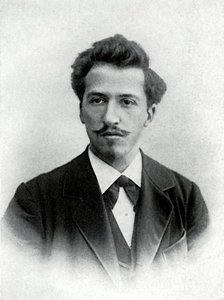
1872 - 1944 , Nyderlandai

APS ofrece reproducciones de bellas artes y encargos personalizados desde 2004. Confían en nosotros corporaciones, hoteles y coleccionistas selectos para obras de arte de calidad museística, servicio discreto y soluciones artísticas completas. ¡Póngase en contacto con nosotros para obtener un presupuesto personalizado!

Explore the revolutionary De Stijl movement & Neo-Plasticism with our expert guide. Discover Piet Mondrian, Theo van Doesburg, and the lasting impact of this influential art style. Learn about collecting & investing in De Stijl masterpieces.
Atraskite 25 įspūdingiausius Francisco Goya šedevrus! Ispanų romantizmo meistro paveikslai, portretai ir juodoji tapyba. Įkvėpkite interjerui su aukštos kokybės Goya reprodukcijomis | Most-Famous-Paintings.com

Explore the revolutionary art of Piet Mondrian and the principles of Neo-Plasticism. Discover De Stijl's influence, iconic compositions like 'Composition with Red, Yellow and Blue,' and Mondrian’s lasting legacy on modern design.
Journey through 10 breathtaking landscape paintings by Monet, Van Gogh & more! Explore iconic artworks, artistic techniques & find inspiration for your home decor. Museum-quality reproductions at Most-Famous-Paintings.com. Discover all masterpieces on Most-Famous-Paintings.com


Sekite naujausias meno naujienas, išskirtinius pasiūlymus ir dekoravimo idėjas.
Pasakokite mums apie savo projektą, o mūsų meno ekspertai parengs jums 3 asmeniškus meno pasiūlymus.
Leiskite mums parinkti 3 variantus būtent jums – nemokamai!


 Peržiūrėti realybėje
 Pasidalinti
 Dalintis
 Išsamiau

 Atsisiųsti
 Panašūs eksponatai
 Rentgeno nuotrauka
 Automatinė diorama

 Skaityti daugiau







 Stiklo variantas prieinamas tik pasirinkus dydį iki 110 cm