x

 Preview
 Pirkti atspaudą Pirkti skaitmeninį paveikslą
 Pasidalinti
 Išsamiau
 Pridėti į mėgstamiausius
 Atsisiųsti
 Panašūs eksponatai
 Rentgeno nuotrauka
 Automatinė diorama
Rankiniu būdu tapytas aliejus ant droblio jūsų pageidaujamame dydį ir rėmuose – mūsų menininkų darbas pagal užsakymą.





























Pasirinkite iš mūsų nustatytų dydžių, atitinkančių originalaus meno kūrinio proporcijas.

Galite įvesti savo matmenis, kad jie atitiktų konkretų rėmą ar erdvę. Jei pasirinktas dydis neatitinka originalaus paveikslėlio proporcijų, mes arba apkropsime meno kūrinį, arba papildysime tapybą rankomis dažytい elementais. Prieš pradėdami gamybą, jūsų patvirtinimui atsiųsime skaitmeninį maketą.
Atkreipkite dėmesį, kad ekrane rodomas vaizdas neatspindi tikrojo apkarpymo ar papildymo. Tik maketas tiksliai parodys galutinę kompoziciją.
Nors galima rinktis ir individualius dydžius, rekomenduojame pasirinkti matmenis iš nustatytos sąrašo, kad būtų išlaikytos originalios proporcijos.
Pristatymas visame pasaulyje () per 3–4 savaites, o ne įprastai – per 5 savaites. (26 liepa). Kokybė lieka nepakeičiama.


Trees
Reprodukcijos matmenys
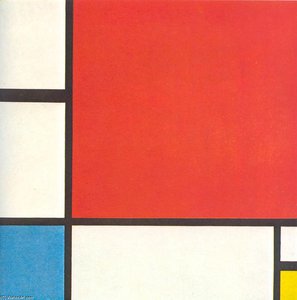
Piet Mondrian (1872 – 1944), born in Amersfoort, Netherlands, stands as a monumental figure in the history of modern art. Initially drawn to landscape painting—influenced by the Hague School and Dutch Impressionism—his artistic journey swiftly pivoted toward abstraction, driven by an unwavering conviction that true beauty resided not in imitation but in simplification.
However, it was during the early 1920s that Mondrian embarked on his transformative quest for geometric harmony—a pursuit that would ultimately redefine his oeuvre. Rejecting representational art altogether, he embraced a radically reduced visual vocabulary consisting of horizontal and vertical lines intersecting at right angles, punctuated by primary colors – red, yellow, and blue – devoid of shading or texture.
Mondrian’s *Trees*, completed around 1930, exemplifies this stylistic commitment with remarkable clarity. Despite its seemingly unassuming subject matter – a depiction of trees—the painting embodies the core tenets of Neo-Plasticism. The horizontal and vertical lines dominate the canvas, creating a sense of stability and equilibrium. The color palette is deliberately restrained, utilizing muted shades of green to convey the essence of foliage without resorting to illusionistic rendering.
Technique: Mondrian employed a precise layering technique, applying thin washes of paint to build up subtle gradations of tone—a deliberate departure from Impressionistic spontaneity. The resulting surface possesses an almost ethereal quality, emphasizing the purity and clarity of form.Ultimately, *Trees* transcends its visual simplicity to communicate a powerful emotional resonance – a quiet contemplation of nature’s enduring beauty filtered through the lens of geometric abstraction. It serves as a testament to Mondrian's unwavering belief in art’s capacity to elevate consciousness and inspire spiritual insight—a legacy that continues to captivate audiences worldwide.

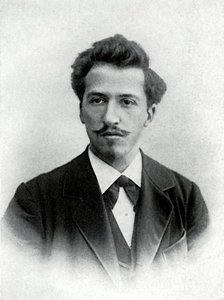
1872 - 1944 , Nyderlandai

Explore the groundbreaking abstract expressionism of Morris Louis, a pioneer of Color Field painting. Discover his innovative techniques, influential series & lasting legacy in post-war American art. Learn more at Most-Famous-Paintings.

Explore the captivating world of Beatrice Parsons, a pioneering British abstract expressionist. Discover her journey from garden watercolors to evocative color field paintings and learn about her place within art history.

Explore the life & work of Jacob Kainen, a pivotal figure in American Abstract Expressionism and Color Field painting. Discover his journey from Social Realism to vibrant abstraction and lasting influence on 20th-century art.

Explore the evolution of geometric abstraction from Cubism to contemporary art. Discover key artists like Malevich & Mondrian, investment insights, and expert collecting advice at Most-Famous-Paintings.
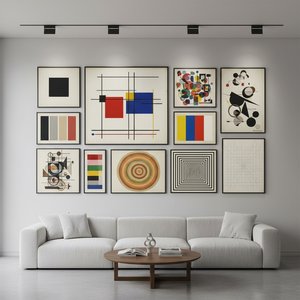
Atraskite 10 geometrinės abstrakcijos šedevrų – nuo Mondriano iki Malevičiaus! Sužinokite apie Piet Mondrian, Kazimir Malevič ir kitus menininkus. Meno kūriniai jūsų interjerui | Most-Famous-Paintings.com


Sekite naujausias meno naujienas, išskirtinius pasiūlymus ir dekoravimo idėjas.
Pasakokite mums apie savo projektą, o mūsų meno ekspertai parengs jums 3 asmeniškus meno pasiūlymus.
Leiskite mums parinkti 3 variantus būtent jums – nemokamai!


 Dalintis


 Skaityti daugiau







 Stiklo variantas prieinamas tik pasirinkus dydį iki 110 cm