x

Įsigykite aukštos skiriamosios raiškos, patobulintą skaitmeninį vaizdą, gerokai pranašesnį už internetinę peržiūrą.
Kiekvieną failą mūsų specialistai kruopščiai paruošia naudojant pažangias technologijas ir profesionalų rankinį retušavimą. Užtikriname, kad kiekvienas vaizdas pasižymėtų išskirtiniu aiškumu, tikslia spalvų atspalviu ir smulkiomis detalėmis.
Baigiamas failas el. paštu pristatomas per 72 valandas; jis optimizuotas nedelsiant naudojimui profesionalioje, redakcinėje ir spausdinimo aplinkoje. Tai ta pati kokybė, kuria pasitiki aukščiausios klasės dizaino studijos, leidyklos ir galerijos.
Atsisiųskite didelės raiškos failą asmeniniam naudojimui, spausdinimui ir kūrybiniams projektams. ( Pirkti spaudinį Pirkti rankomis tapytą paveikslą)
Pasirinkę Most-Famous-Paintings.com, jūs ne tik gaunate paveikslėlį – jūs gaunate profesionaliai patobudintą skaitmeninį kūrinį, sukurtą itin tikniai ir užtikrinantį pasitenkinimą. Štai viską, kas automatiškai pritékia jūsų užsakymui:

Jūsų aukštos raiškos skaitmeninis vaizdo failas bus išsiųstas jums el. paštu per 72 valaudas nuo užsakymo – paruoštas naudojimui be jokių papildomų veiksmų.

Jūsų meno kūrinys profesionaliai optimizuojamas naudojant pažangius dirbtinio intelekto įrankius ir rankinį redagavimą, užtikrinant maksimalią detalę, aiškumą ir spalvų tikslumą.

Atsitiktinai ištrytikote ar praradote savo failą? Nebijokite – bet kuriuo metu atsiųsime jį jums vėl nemokamai.

Mėgaukitės savo meno kūriniu akimirka – skaitiniai failai visada yra neapmokestinami, todėl nereikės mokėti muitinės, mokesčių ar pristatymo mokesčių.

Naudodami profesionalią įrangą ir spalvų valdymo sistemas, užtikriname, kad jūsų skaitmeninis vaizdas kuo tiksliau atspindėtų originalias spalvas.

Jei nebuvate patenkinti savo skaitinio vaizdo, per 60 dienų jį pertaisysime arba grąkinsime 100% sumą – be jokių klausimų.

Nepat 만족inti? Gaukite visą sumokėtą sumą per 60 dienų nuo skaitmeninio failo gavimo – be jokių papildomų klausimų.

Pirkti 3 nuotraukas – pasiūla 10% - Pirkti 5 – pasiūla 15% - Pirkti 10 ir daugiau – pasiūla 20%. Puikiai tinka kūrybiniams projektams, galerijoms bei agentūroms.
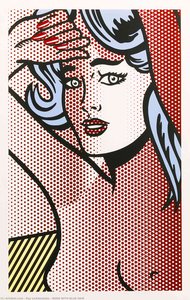
Roy Lichtenstein's "Collage for Nude," created in 1997, isn’t merely a painting; it’s a carefully constructed dialogue between the familiar and the unsettling. This work, rendered in oil on canvas, immediately draws the eye with its stark contrast – a monochrome figure against a vibrant, almost aggressively cheerful background of layered paper collage. It's a quintessential example of Lichtenstein’s exploration of Pop Art’s core tenets: the appropriation of commercial imagery, the deconstruction of traditional artistic conventions, and a deliberate engagement with the visual language of mass media.
The central figure, a woman viewed in profile, is presented in a simplified, almost schematic style. Her body, depicted in shades of black and white, possesses an undeniable elegance despite its reduction to essential forms. The red stripe that bisects her dress – a detail borrowed from advertising and comic books – acts as a visual anchor, injecting a pulse of color into the otherwise restrained composition. Crucially, Lichtenstein’s use of collage here isn't simply decorative; it actively disrupts the illusion of depth and surface. As documented in Most-Famous-Paintings’s database, the technique utilizes cut paper—likely cardstock—to achieve a flattened aesthetic mirroring mass media visuals. This deliberate omission of shading and depth cues further emphasizes the graphic simplicity, pushing the image towards a deliberately artificial, almost manufactured quality – a hallmark of Pop Art's critique of traditional artistic representation.
Roy Fox Lichtenstein’s journey to becoming a defining figure in Pop Art was anything but straightforward. Born in Manhattan in 1923, he initially pursued a path rooted in realistic drawing and painting, nurtured by early exposure to museums and the vibrant energy of jazz music. However, his formal training at the Art Students League under Reginald Marsh, followed by interrupted service during World War II, ultimately steered him toward a radically different approach. This period of military service, particularly his experiences as an orderly and draftsman, proved surprisingly formative, exposing him to a world of standardized imagery and bureaucratic processes – themes that would later permeate his art.
Lichtenstein’s artistic evolution was deeply influenced by the burgeoning Pop Art movement in the 1960s. He wasn't simply replicating popular culture; he was dissecting it, reassembling it, and presenting it with a critical eye. His work became a commentary on consumerism, advertising, and the blurring lines between high art and low culture. The deliberate use of Ben-Day dots – those tiny, colored squares that mimic the printing process – is a key element in this strategy, instantly evoking the look and feel of comic books and commercial illustrations.
The incorporation of collage into "Collage for Nude" represents a significant departure from Lichtenstein’s earlier work. It's not merely an embellishment; it’s a fundamental restructuring of the image. The layered paper fragments, often incorporating elements of vintage advertisements and other printed materials, create a sense of visual density and complexity beneath the surface. This layering mirrors the overwhelming influx of information that characterized contemporary life – a key theme explored by Pop artists.
As documented in Most-Famous-Paintings’s research, this technique deliberately omits shading and depth cues, furthering the impression of graphic simplicity. The juxtaposition of the monochrome figure with the vibrant collage background creates a dynamic tension, forcing the viewer to actively engage with the image and decipher its meaning. It's a deliberate disruption of traditional perspective, inviting us to question our assumptions about representation and reality.
While seemingly straightforward in its composition, “Collage for Nude” is rich in symbolic potential. The woman’s pose – turned away from the viewer – suggests a sense of detachment or introspection. Her red dress, borrowed from advertising imagery, can be interpreted as a symbol of desire or allure. The collage itself represents the fragmented nature of modern experience, reflecting the overwhelming bombardment of images and information that shapes our perceptions.
Ultimately, Lichtenstein’s “Collage for Nude” is more than just a visually striking artwork; it's a powerful meditation on the relationship between art, commerce, and culture. Its enduring appeal lies in its ability to simultaneously celebrate and critique the visual language of our time. Most-Famous-Paintings’s hand-painted reproductions offer an exceptional opportunity to experience this iconic work firsthand, capturing its vibrant energy and intellectual depth with unparalleled fidelity.


1923 - 1997 , JAV


Sekite naujausias meno naujienas, išskirtinius pasiūlymus ir dekoravimo idėjas.
Pasakokite mums apie savo projektą, o mūsų meno ekspertai parengs jums 3 asmeniškus meno pasiūlymus.
Leiskite mums parinkti 3 variantus būtent jums – nemokamai!


 Peržiūrėti realybėje
 Pasidalinti
 Dalintis
 Išsamiau

 Atsisiųsti
 Panašūs eksponatai
 Rentgeno nuotrauka
 Automatinė diorama

 Skaityti daugiau