x

 Acrylic On CanvasWallArtPop Art
 1990
1990 145.0 x 182.0 cm
Muziejų lygio „giclée“ arba drobos spausdinimas: greita gamyba ir lankstios apdailos parinktys. ( Switch to hand made Painting Switch to Image)





























Pasirinkite iš mūsų nustatytų dydžių, atitinkančių originalaus meno kūrinio proporcijas.

Galite nurodyti savo matmenis, kad vaizdas atitiktų konkretų rėmą ar erdvę. Jei pasirinktas dydis nesutaps su originalaus paveikslėlio proporcijomis, mes arba apkirpsime kūrinį, arba išplėsime vaizdą naudojant veideliu atspindėtą arba vientisą šoną. Skaitmeninis maketas bus išsiųstas jums patvirtinti prieš pradedant gamybą.
Atkreipkite dėmesį, kad ekrane matomas vaizdinys neatspindi tikrojo apkirpimo ar išplėtimo. Tik maketas tiksliai parodytų galutinę kompoziciją.
Nors galima rinktis ir individualius dydžius, rekomenduojame pasirinkti vieną iš išanksti nustatytų matmenų, kad būtų išlaikytos originalios proporcijos.
Pristatymas visame pasaulyje () per 2 weeks, o ne įprastas 4/5 savaičių laikotarpis. (29 liepa)


The den
Reprodukcijos matmenys
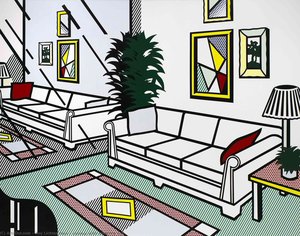
Roy Lichtenstein's "The Den," completed in 1990, isn’t merely a depiction of an interior living room; it’s a masterful distillation of Pop Art principles—a deliberate provocation against the perceived seriousness of traditional fine art. Produced by Gemini G.E.L., this woodcut and screenprint embodies Lichtenstein's signature aesthetic: bold color blocks juxtaposed with meticulously crafted Ben-Day dots, creating an illusion of texture and depth that belies its deceptively simple composition.
The color palette—primarily reds, yellows, blues, black, and white—is aggressively reductive, mirroring the limited color palettes found in commercial printing. Lichtenstein’s technique relies heavily on Ben-Day dots – tiny colored squares meticulously applied to create shading and texture. This method mimics the halftone printing process used in comic books, instantly conveying a sense of immediacy and artificiality. The resulting surface is strikingly graphic, prioritizing visual impact over nuanced tonal variation.
"The Den" emerged during Lichtenstein’s peak period as a Pop Artist, responding to the cultural anxieties of the 1960s and ’70s. He deliberately adopted the conventions of mass media—comic strips and advertising—to critique consumer culture and challenge artistic elitism. By flattening perspective and simplifying forms, Lichtenstein aimed to dismantle illusionistic painting techniques and engage viewers in a dialogue about representation itself. The artwork serves as a testament to Lichtenstein's unwavering commitment to pushing boundaries within the art world.
Despite its apparent simplicity, “The Den” carries significant symbolic weight. The vase of flowers represents beauty and fragility—themes frequently explored in Romantic art—but presented within a deliberately stylized framework. Lichtenstein’s use of bold colors and geometric shapes evokes the energy and dynamism of Pop Art, conveying a sense of playful detachment from emotional expression. Ultimately, “The Den” invites contemplation on how we perceive reality and celebrates the transformative power of artistic innovation.


1923 - 1997 , JAV
Atraskite 25 ikoniškiausius Roy Lichtenstein darbus – poparto meno šedevrus, spalvingus paveikslus ir įkvepiančią interjero dekoravimo idėjas. Meno reprodukcijos aukščiausia kokybe | Most-Famous-Paintings.com

Atraskite 25 įspūdingiausius Metropoliteno meno muziejaus kūrinius! Claude Monet, van Gogh ir kiti meistrai – paveikslų istorijos, spalvų paletės bei interjero dekoravimo idėjos. Meno reprodukcijos aukščiausia kokybe Most-Famous-Paintings.com
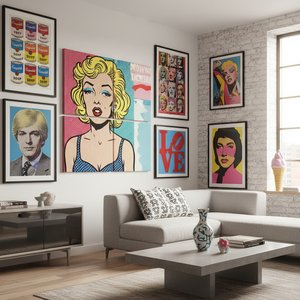
Atraskite 10 ikoniškų Pop Art šedevrų! Andy Warhol, Roy Lichtenstein ir kiti menininkai, kurie pakeitė meno istoriją. Įkvėpkite interjero dekorui su spalvingomis reprodukcijomis. Most-Famous-Paintings.com – aukštos kokybės paveikslai internetu.
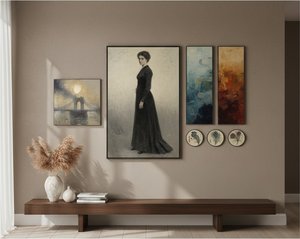
Atraskite 25 įspūdingiausius Džeimso Ebboto Maknilo Vislerio kūrinius! Tonalizmo meistras, noktiurnai ir portretai – meno istorijos šedevrai jūsų interjerui. Pirkti aukštos kokybės reprodukcijas Most-Famous-Paintings.com
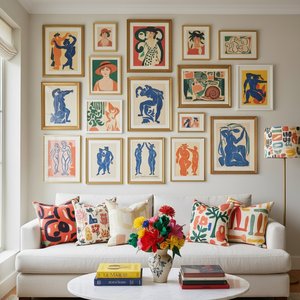
Atraskite 25 įspūdingiausius Henri Matisse šedevrus! Sužinokite apie Fauvizmą, spalvų magiją ir prancūzų dailininko kūrybos istorijas. Meno reprodukcijos jūsų interjerui – Most-Famous-Paintings.com


Sekite naujausias meno naujienas, išskirtinius pasiūlymus ir dekoravimo idėjas.
Pasakokite mums apie savo projektą, o mūsų meno ekspertai parengs jums 3 asmeniškus meno pasiūlymus.
Leiskite mums parinkti 3 variantus būtent jums – nemokamai!


 Preview
 Pasidalinti
 Dalintis
 Išsamiau

 Atsisiųsti
 Panašūs eksponatai
 Rentgeno nuotrauka
 Automatinė diorama
 Skaityti daugiau







 Stiklo variantas prieinamas tik pasirinkus dydį iki 110 cm