x

Rankiniu būdu tapytas aliejus ant droblio jūsų pageidaujamame dydį ir rėmuose – mūsų menininkų darbas pagal užsakymą. ( Perejti prie spausdinimo Perjungti į vaizdą)





























Pasirinkite iš mūsų nustatytų dydžių, atitinkančių originalaus meno kūrinio proporcijas.

Galite įvesti savo matmenis, kad jie atitiktų konkretų rėmą ar erdvę. Jei pasirinktas dydis neatitinka originalaus paveikslėlio proporcijų, mes arba apkropsime meno kūrinį, arba papildysime tapybą rankomis dažytい elementais. Prieš pradėdami gamybą, jūsų patvirtinimui atsiųsime skaitmeninį maketą.
Atkreipkite dėmesį, kad ekrane rodomas vaizdas neatspindi tikrojo apkarpymo ar papildymo. Tik maketas tiksliai parodys galutinę kompoziciją.
Nors galima rinktis ir individualius dydžius, rekomenduojame pasirinkti matmenis iš nustatytos sąrašo, kad būtų išlaikytos originalios proporcijos.
Pristatymas visame pasaulyje () per 3–4 savaites, o ne įprastai – per 5 savaites. (31 liepa). Kokybė lieka nepakeičiama.


calumny
Reprodukcijos matmenys
Sandro Botticelli's *Calumny of Apelles*, painted around 1495, is a captivating and complex work that transcends simple visual appeal. It’s not merely a beautiful painting; it’s a profound meditation on reputation, slander, and the power of deceit – themes remarkably relevant even today.
The artwork depicts a dramatic scene inspired by a story recounted by Pliny the Elder about the painter Apelles. A handsome youth is being subjected to vicious whispers and accusations by a darkly cloaked figure representing Calumny (false accusation). She’s flanked by two figures: one, Ignorance, with donkey ears, eagerly listens; the other, Suspicion, casts a wary glance. The central nude female figure, often interpreted as Truth or perhaps Venus, gestures upwards towards a regal figure on a pillar – likely representing King Alexander the Great, to whom Apelles was presenting his work. At the base of the composition kneels an aged man, presumably Apelles himself, in a posture of despair and supplication.
Botticelli created this painting during a turbulent period in Florence, marked by political instability and religious fervor led by Savonarola. The artwork is believed to be a veiled commentary on the slanderous attacks leveled against Botticelli himself and his patrons, particularly Lorenzo de’ Medici. The story of Apelles provided a classical framework for addressing contemporary concerns about reputation and justice.
*Calumny* evokes a powerful sense of unease and moral contemplation. The dramatic lighting, contrasting shadows, and expressive gestures create an atmosphere of tension and drama. The painting’s enduring appeal lies in its ability to resonate with universal themes of betrayal, injustice, and the fragility of reputation. It's a work that invites viewers to reflect on the importance of truth, discernment, and the devastating consequences of unchecked slander.
This artwork is an exceptional addition to any collection, offering both aesthetic beauty and intellectual depth. Its complex narrative and masterful execution make it a compelling focal point for interior design, sparking conversation and inspiring contemplation.
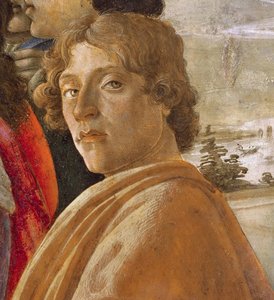
1445 - 1510 , Italija

Explore the rich history of oil on panel painting! Discover Renaissance techniques, support construction, & the enduring legacy of this masterful art form. Expert insights for collectors and enthusiasts.

Explore 10 Renaissance Humanism masterpieces by Leonardo da Vinci, Michelangelo & Raphael. Discover the stories behind these iconic paintings & sculptures and bring timeless art into your home with museum-quality reproductions from Most-Famous-Paintings.com. Explore the full collection online!

Atraskite 25 įspūdingiausius Uffizi galerijos šedevrus Florencijoje! Leonardo da Vinci, Botticelli ir Mikelandželo kūriniai – meno istorija jūsų namams. Kokybiškos reprodukcijos ir interjero dekoravimo idėjos Most-Famous-Paintings.com.

Explore the captivating history of beauty in art! Discover Renaissance masterpieces, Rococo elegance & Japanese aesthetics. Expert insights for collectors seeking investment-worthy artworks and custom reproductions.

Find the perfect wedding gift with Most-Famous-Paintings! Explore unique, handmade oil paintings & custom art reproductions. Transform photos into masterpieces and celebrate lasting love with a timeless keepsake.


Sekite naujausias meno naujienas, išskirtinius pasiūlymus ir dekoravimo idėjas.
Pasakokite mums apie savo projektą, o mūsų meno ekspertai parengs jums 3 asmeniškus meno pasiūlymus.
Leiskite mums parinkti 3 variantus būtent jums – nemokamai!


 Peržiūrėti realybėje
 Pasidalinti
 Dalintis
 Išsamiau

 Atsisiųsti
 Panašūs eksponatai
 Rentgeno nuotrauka
 Automatinė diorama

 Skaityti daugiau







 Stiklo variantas prieinamas tik pasirinkus dydį iki 110 cm