x

Muziejų lygio „giclée“ arba drobos spausdinimas: greita gamyba ir lankstios apdailos parinktys. ( Pirkti rankomis tapytą paveikslą Pirkti vaizdą)





























Pasirinkite iš mūsų nustatytų dydžių, atitinkančių originalaus meno kūrinio proporcijas.

Galite nurodyti savo matmenis, kad vaizdas atitiktų konkretų rėmą ar erdvę. Jei pasirinktas dydis nesutaps su originalaus paveikslėlio proporcijomis, mes arba apkirpsime kūrinį, arba išplėsime vaizdą naudojant veideliu atspindėtą arba vientisą šoną. Skaitmeninis maketas bus išsiųstas jums patvirtinti prieš pradedant gamybą.
Atkreipkite dėmesį, kad ekrane matomas vaizdinys neatspindi tikrojo apkirpimo ar išplėtimo. Tik maketas tiksliai parodytų galutinę kompoziciją.
Nors galima rinktis ir individualius dydžius, rekomenduojame pasirinkti vieną iš išanksti nustatytų matmenų, kad būtų išlaikytos originalios proporcijos.
Pristatymas visame pasaulyje () per 2 weeks, o ne įprastas 4/5 savaičių laikotarpis. (14 rugpjūtis)


Fortitude
Reprodukcijos matmenys
Sandro Botticelli’s “Fortitude,” completed around 1470, stands as an emblem of Renaissance virtue—a captivating portrait that transcends mere representation to embody ideals of strength, composure, and unwavering resolve. Commissioned by Piero del Pollaiolo for the Medici family, this painting exemplifies Botticelli's mastery of classical composition and meticulous attention to detail, cementing its place within the celebrated cycle of Virtues intended to adorn Palazzo Vecchio.
The artwork’s pyramidal structure immediately draws the viewer’s gaze upwards towards the central figure—a noblewoman seated upon a throne—creating an impression of stability and grandeur. Botticelli skillfully employs linear perspective, albeit subtly nuanced, to establish depth within the arched background, emphasizing the subject's dominance. Dominant lines delineate drapery folds and architectural elements with precision, mirroring the geometric shapes prevalent throughout the scene – squares and rectangles contributing to the overall harmonious balance.
"Fortitude" is more than just a portrait; it’s a visual declaration of moral fortitude—a concept central to Renaissance humanist thought. The throne symbolizes royal authority and nobility, while the staff held by the woman represents leadership and unwavering conviction. Her serene gaze and dignified posture convey an aura of inner strength and resilience – qualities considered paramount in achieving spiritual perfection.
Painted during Botticelli’s formative years, “Fortitude” reflects the prevailing artistic sensibilities of Florence at the dawn of the Renaissance. Influenced by classical ideals of beauty and proportion, Botticelli's work aligns with the broader humanist movement that championed reason and virtue alongside artistic excellence. This painting serves as a testament to Botticelli’s enduring legacy—a masterpiece that continues to inspire admiration for its elegance, technical virtuosity, and profound symbolic resonance.

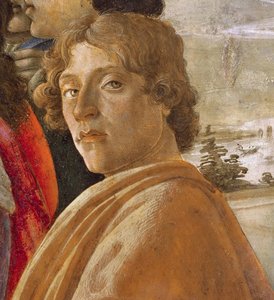
1445 - 1510 , Italija

Explore the profound history and technical brilliance of oil on panel painting. From Renaissance masters to modern techniques, discover why this rigid support offers unparalleled precision and permanence for fine art lovers and collectors.

Explore the rigorous beauty of Academic Classicism. Discover the principles of order, precision, and historical reverence that define this timeless art movement through an expert guide to its enduring legacy and technical mastery.


Sekite naujausias meno naujienas, išskirtinius pasiūlymus ir dekoravimo idėjas.
Pasakokite mums apie savo projektą, o mūsų meno ekspertai parengs jums 3 asmeniškus meno pasiūlymus.
Leiskite mums parinkti 3 variantus būtent jums – nemokamai!


 Peržiūrėti realybėje
 Pasidalinti
 Dalintis
 Išsamiau

 Atsisiųsti
 Panašūs eksponatai
 Rentgeno nuotrauka
 Automatinė diorama
 Skaityti daugiau







 Stiklo variantas prieinamas tik pasirinkus dydį iki 110 cm