x

 Pirkti atspaudą Pirkti skaitmeninį paveikslą
 Pasidalinti
 Išsamiau
 Pridėti į mėgstamiausius
 Atsisiųsti
 Panašūs eksponatai
 Rentgeno nuotrauka
 Automatinė diorama
 Acrylic On CanvasWallArtEarly Renaissance
 1490
1490 140.0 x 207.0 cm
Rankiniu būdu tapytas aliejus ant droblio jūsų pageidaujamame dydį ir rėmuose – mūsų menininkų darbas pagal užsakymą.





























Pasirinkite iš mūsų nustatytų dydžių, atitinkančių originalaus meno kūrinio proporcijas.

Galite įvesti savo matmenis, kad jie atitiktų konkretų rėmą ar erdvę. Jei pasirinktas dydis neatitinka originalaus paveikslėlio proporcijų, mes arba apkropsime meno kūrinį, arba papildysime tapybą rankomis dažytい elementais. Prieš pradėdami gamybą, jūsų patvirtinimui atsiųsime skaitmeninį maketą.
Atkreipkite dėmesį, kad ekrane rodomas vaizdas neatspindi tikrojo apkarpymo ar papildymo. Tik maketas tiksliai parodys galutinę kompoziciją.
Nors galima rinktis ir individualius dydžius, rekomenduojame pasirinkti matmenis iš nustatytos sąrašo, kad būtų išlaikytos originalios proporcijos.
Pristatymas visame pasaulyje () per 3–4 savaites, o ne įprastai – per 5 savaites. (22 liepa). Kokybė lieka nepakeičiama.


Pity
Reprodukcijos matmenys
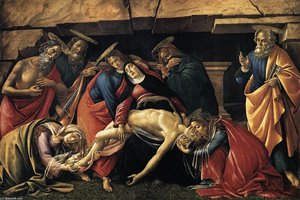
“Lamentation over the Dead Christ” stands as a poignant emblem of Renaissance piety and artistic innovation—a masterpiece executed by Sandro Botticelli around 1490-1492. Currently housed in the Alte Pinakothek museum in Munich, Germany, this painting transcends mere depiction; it embodies an emotional depth that continues to resonate with viewers centuries later.
Botticelli’s stylistic approach firmly anchors itself within the Early Renaissance tradition, characterized by graceful lines and idealized forms—a deliberate departure from the more rigid conventions of Gothic art. Influenced profoundly by humanist ideals emerging in Florence during Lorenzo de' Medici’s reign, Botticelli sought to convey spiritual contemplation through meticulously crafted imagery.
The composition centers on the crucified Christ, positioned at the heart of a sorrowful tableau populated by figures representing grief and compassion. Mary Magdalene dominates the foreground, cradling Jesus’s lifeless body with unwavering tenderness—a gesture laden with symbolism reflecting maternal devotion and profound sorrow. Surrounding her are St. Peter, St. John the Evangelist, St. Jerome and St. Paul, each rendered in a similarly expressive manner.
Botticelli's masterful technique employed tempera on wood panel, a medium favored for its luminosity and ability to capture subtle tonal variations. The artist’s meticulous attention to detail—evident in the drapery folds, facial expressions, and anatomical accuracy—demonstrates his unwavering commitment to realism tempered by artistic idealism. This careful rendering underscores Botticelli's desire to portray not merely what was seen but also what was felt.
Beyond its aesthetic beauty, “Lamentation” carries significant theological weight. It reflects the Christian belief in resurrection and commemorates the sacrifice of Jesus Christ—a central pillar of faith. The painting’s emotive power derives from Botticelli's ability to capture the universal experience of grief and loss—themes that continue to inspire artists and viewers alike. Its enduring legacy testifies to Botticelli’s profound understanding of human emotion and his mastery of artistic expression.
Consider commissioning a museum-quality reproduction of “Lamentation over the Dead Christ” by Sandro Botticelli – available at Most-Famous-Paintings.

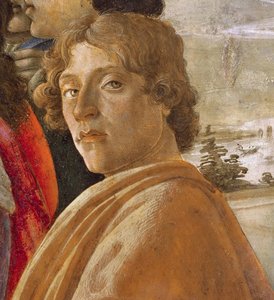
1445 - 1510 , Italija
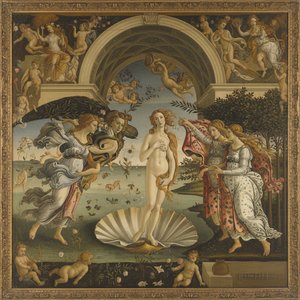
Atraskite 25 Sandro Botticelli šedevrus! Gilinkitės į Renesanso meno istoriją, Venus gimimą ir Primavera paslaptis. Meno reprodukcijos jūsų interjerui – Most-Famous-Paintings.com.
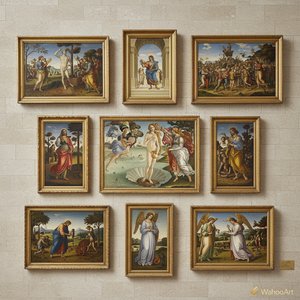
Atraskite ankstyvojo renesanso šedevrus! 10 legendinių paveikslų, kuriuos sukūrė Leonardo da Vinci, Michelangelo ir Botticelli. Sužinokite apie meną, spalvas bei istoriją. Kokybiškos meno reprodukcijos – Most-Famous-Paintings.com. Išskirtinis dizainas Jūsų namams!
Atraskite 25 įspūdingiausius 'Alte Pinakothek' šedevrus! Renesanso ir Baroko paveikslai, Albrecht Dürer, Rembrandtas ir kiti garsūs menininkai. Įkvėpkite interjerui su aukštos kokybės reprodukcijomis – Most-Famous-Paintings.com

Atraskite 25 įspūdingiausius Metropoliteno meno muziejaus kūrinius! Claude Monet, van Gogh ir kiti meistrai – paveikslų istorijos, spalvų paletės bei interjero dekoravimo idėjos. Meno reprodukcijos aukščiausia kokybe Most-Famous-Paintings.com
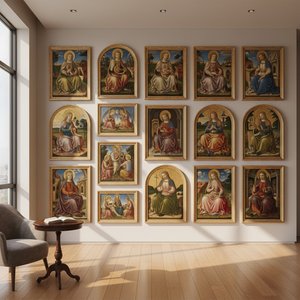
Atraskite 25 įspūdingiausius Fra Angelico šedevrus! Renesanso meno grožis, religinė tapyba ir angelų paveikslai. Meno istorija, interjero dizaino idėjos bei aukštos kokybės reprodukcijos Most-Famous-Paintings.com. Explore the full collection online!


Sekite naujausias meno naujienas, išskirtinius pasiūlymus ir dekoravimo idėjas.
Pasakokite mums apie savo projektą, o mūsų meno ekspertai parengs jums 3 asmeniškus meno pasiūlymus.
Leiskite mums parinkti 3 variantus būtent jums – nemokamai!


 Dalintis

 Skaityti daugiau







 Stiklo variantas prieinamas tik pasirinkus dydį iki 110 cm