x


 Preview
 Pirkti atspaudą Pirkti skaitmeninį paveikslą
 Pasidalinti
 Išsamiau
 Pridėti į mėgstamiausius
 Atsisiųsti
 Panašūs eksponatai
 Rentgeno nuotrauka
 Automatinė diorama
Rankiniu būdu tapytas aliejus ant droblio jūsų pageidaujamame dydį ir rėmuose – mūsų menininkų darbas pagal užsakymą.





























Pasirinkite iš mūsų nustatytų dydžių, atitinkančių originalaus meno kūrinio proporcijas.

Galite įvesti savo matmenis, kad jie atitiktų konkretų rėmą ar erdvę. Jei pasirinktas dydis neatitinka originalaus paveikslėlio proporcijų, mes arba apkropsime meno kūrinį, arba papildysime tapybą rankomis dažytい elementais. Prieš pradėdami gamybą, jūsų patvirtinimui atsiųsime skaitmeninį maketą.
Atkreipkite dėmesį, kad ekrane rodomas vaizdas neatspindi tikrojo apkarpymo ar papildymo. Tik maketas tiksliai parodys galutinę kompoziciją.
Nors galima rinktis ir individualius dydžius, rekomenduojame pasirinkti matmenis iš nustatytos sąrašo, kad būtų išlaikytos originalios proporcijos.
Pristatymas visame pasaulyje () per 3–4 savaites, o ne įprastai – per 5 savaites. (27 liepa). Kokybė lieka nepakeičiama.


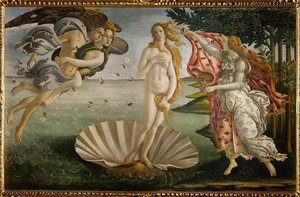
Primavera -
Reprodukcijos matmenys
Sandro Botticelli's *Primavera*, painted circa 1482, stands as one of the most enchanting and enduring images of the Italian Renaissance. More than simply a depiction of a woodland scene, it is a complex tapestry woven with allegorical symbolism, reflecting the intellectual currents and humanist ideals that defined Florence during the reign of Lorenzo de' Medici. The painting’s immediate impact lies in its ethereal beauty – a dreamlike vision populated by exquisitely rendered figures amidst a vibrant, almost impossibly lush, natural setting. Botticelli’s masterful handling of line and color creates an atmosphere of serene contemplation, inviting viewers to lose themselves within this carefully constructed world.
*Primavera* is saturated with symbolic meaning, reflecting the intellectual climate of Florence at the time. Venus, often identified as the goddess of love and beauty, occupies a central position, her presence radiating an aura of grace and serenity. Mars, representing war and strength, stands in contrast to Venus’s gentleness, suggesting the inherent tension between opposing forces. Mercury, the messenger god, embodies intellect and communication, while Zephyrus, the west wind, is depicted as blowing Flora, goddess of spring and flowers, into bloom. The apple tree itself – a recurring motif in Renaissance art – symbolizes immortality and the renewal of life. The knife held by one figure has been interpreted as representing the act of hunting or preparation for food, adding another layer to the painting's complex symbolism.
Painted for the Medici family, *Primavera* reflects the humanist revival that was transforming Florence in the late 15th century. The rediscovery of classical antiquity fueled a renewed interest in mythology and allegory, providing artists with new subjects and intellectual frameworks. Botticelli’s work, along with works by other Florentine masters like Leonardo da Vinci and Michelangelo, helped to establish Florence as the cultural center of Europe. *Primavera* quickly gained renown, becoming one of the most celebrated paintings of the Renaissance and inspiring countless artists throughout history. Its influence can be seen in subsequent depictions of spring and fertility, solidifying its place as a cornerstone of Western art.
Note:** This reproduction is created using high-resolution digital printing on premium canvas with archival inks, ensuring exceptional color accuracy and longevity.*
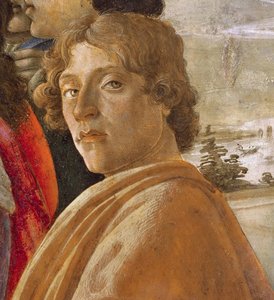
1445 - 1510 , Italija
Atraskite 25 įspūdingiausius Francisco Goya šedevrus! Ispanų romantizmo meistro paveikslai, portretai ir juodoji tapyba. Įkvėpkite interjerui su aukštos kokybės Goya reprodukcijomis | Most-Famous-Paintings.com

Explore the Italian Renaissance! Discover humanist ideals, iconic masterpieces by Leonardo, Michelangelo & Raphael, and lasting artistic innovations. A comprehensive guide for art enthusiasts.
Atraskite 25 įspūdingiausius 'Alte Pinakothek' šedevrus! Renesanso ir Baroko paveikslai, Albrecht Dürer, Rembrandtas ir kiti garsūs menininkai. Įkvėpkite interjerui su aukštos kokybės reprodukcijomis – Most-Famous-Paintings.com
Atraskite 25 įspūdingiausius Katsushika Hokusai kūrinius! Žiūrėkite *Didžiąją bangą*, *Fuji kalną* ir kitus Ukiyo-e stiliaus šedevrus. Meno reprodukcijos jūsų interjerui – Most-Famous-Paintings.com
Atraskite ankstyvojo renesanso šedevrus! 10 legendinių paveikslų, kuriuos sukūrė Leonardo da Vinci, Michelangelo ir Botticelli. Sužinokite apie meną, spalvas bei istoriją. Kokybiškos meno reprodukcijos – Most-Famous-Paintings.com. Išskirtinis dizainas Jūsų namams!


Sekite naujausias meno naujienas, išskirtinius pasiūlymus ir dekoravimo idėjas.
Pasakokite mums apie savo projektą, o mūsų meno ekspertai parengs jums 3 asmeniškus meno pasiūlymus.
Leiskite mums parinkti 3 variantus būtent jums – nemokamai!


 Dalintis


 Skaityti daugiau







 Stiklo variantas prieinamas tik pasirinkus dydį iki 110 cm