x

Muziejų lygio „giclée“ arba drobos spausdinimas: greita gamyba ir lankstios apdailos parinktys. ( Pirkti rankomis tapytą paveikslą Pirkti vaizdą)





























Pasirinkite iš mūsų nustatytų dydžių, atitinkančių originalaus meno kūrinio proporcijas.

Galite nurodyti savo matmenis, kad vaizdas atitiktų konkretų rėmą ar erdvę. Jei pasirinktas dydis nesutaps su originalaus paveikslėlio proporcijomis, mes arba apkirpsime kūrinį, arba išplėsime vaizdą naudojant veideliu atspindėtą arba vientisą šoną. Skaitmeninis maketas bus išsiųstas jums patvirtinti prieš pradedant gamybą.
Atkreipkite dėmesį, kad ekrane matomas vaizdinys neatspindi tikrojo apkirpimo ar išplėtimo. Tik maketas tiksliai parodytų galutinę kompoziciją.
Nors galima rinktis ir individualius dydžius, rekomenduojame pasirinkti vieną iš išanksti nustatytų matmenų, kad būtų išlaikytos originalios proporcijos.
Pristatymas visame pasaulyje () per 2 weeks, o ne įprastas 4/5 savaičių laikotarpis. (20 rugpjūtis)


st. augustine
Reprodukcijos matmenys
In the quiet, luminous depths of Sandro Botticelli’s St. Augustine, we encounter more than a mere portrait; we enter a sanctuary of profound spiritual contemplation. Painted during the twilight of the Quattrocento, this masterpiece serves as an evocative window into the Early Renaissance, capturing the moment where human intellect meets divine grace. The subject, the venerable Bishop of Hippo, is depicted not as a distant icon, but as a man caught in a moment of intense, inward reflection. As he sits at his table, his hands resting gently upon his chest, the viewer is invited to share in his stillness. The presence of a book nearby suggests a life dedicated to the pursuit of wisdom, bridging the gap between the earthly study of scripture and the celestial understanding of faith.
Botticelli’s mastery of technique breathes life into the very fabric of the panel. Utilizing the traditional method of tempera on panel, the artist achieved a breathtaking luminosity that seems to radiate from within the figure itself. Through the meticulous application of thin, translucent glazes, he creates a skin tone that possesses an ethereal glow, a hallmark of his Florentine training. Here, we see an early and masterful adoption of sfumato—the subtle blurring of edges—which softens the contours of Augustine’s face, imbuing him with a sense of gentle serenity. This is further heightened by the use of chiaroscuro, where the dramatic interplay of light and shadow sculpts the saint's form, lending a physical weight to his presence while simultaneously highlighting the spiritual lightness of his expression.
Every element within this composition is steeped in the humanist ideals that defined Botticelli’s era. The rich, crimson hue of Augustine’s robes is not merely a display of pigment but a symbol of his ecclesiastical authority and the passion of his faith. The arrangement of figures in the periphery—shadowy, observant presences—adds a layer of narrative complexity, suggesting that while the saint is lost in private prayer, he remains an integral part of the communal religious fabric. This tension between the individual soul and the wider world reflects the burgeoning Renaissance fascination with the dignity of man and his capacity for reason.
For the discerning collector or interior designer, this work offers a profound emotional resonance that transcends time. It is a piece that commands attention through its quietude rather than through clamor. Whether placed in a library, a study, or a formal living space, a high-quality reproduction of this Botticelli classic brings an atmosphere of intellectual depth and timeless elegance to any environment. It serves as a poignant reminder of the beauty found in introspection, making it an ideal centerpiece for those who seek to surround themselves with art that inspires both thought and peace.

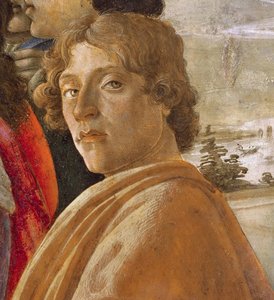
1445 - 1510 , Italija

Delve into the profound legacy of Saint George through art history. Explore iconic masterpieces by Raphael and Dürer, decoding the iconography of the dragon legend. Discover scholarly insights and bring these timeless tales to life with our museum-quality, hand-painted oil reproductions.


Sekite naujausias meno naujienas, išskirtinius pasiūlymus ir dekoravimo idėjas.
Pasakokite mums apie savo projektą, o mūsų meno ekspertai parengs jums 3 asmeniškus meno pasiūlymus.
Leiskite mums parinkti 3 variantus būtent jums – nemokamai!


 Peržiūrėti realybėje
 Pasidalinti
 Dalintis
 Išsamiau

 Atsisiųsti
 Panašūs eksponatai
 Rentgeno nuotrauka
 Automatinė diorama

 Skaityti daugiau







 Stiklo variantas prieinamas tik pasirinkus dydį iki 110 cm