x

Muziejų lygio „giclée“ arba drobos spausdinimas: greita gamyba ir lankstios apdailos parinktys. ( Pirkti rankomis tapytą paveikslą Pirkti vaizdą)





























Pasirinkite iš mūsų nustatytų dydžių, atitinkančių originalaus meno kūrinio proporcijas.

Galite nurodyti savo matmenis, kad vaizdas atitiktų konkretų rėmą ar erdvę. Jei pasirinktas dydis nesutaps su originalaus paveikslėlio proporcijomis, mes arba apkirpsime kūrinį, arba išplėsime vaizdą naudojant veideliu atspindėtą arba vientisą šoną. Skaitmeninis maketas bus išsiųstas jums patvirtinti prieš pradedant gamybą.
Atkreipkite dėmesį, kad ekrane matomas vaizdinys neatspindi tikrojo apkirpimo ar išplėtimo. Tik maketas tiksliai parodytų galutinę kompoziciją.
Nors galima rinktis ir individualius dydžius, rekomenduojame pasirinkti vieną iš išanksti nustatytų matmenų, kad būtų išlaikytos originalios proporcijos.
Pristatymas visame pasaulyje () per 2 weeks, o ne įprastas 4/5 savaičių laikotarpis. (15 rugpjūtis)


St. Augustine In His Cell -
Reprodukcijos matmenys
Sandro Botticelli's “St. Augustine In His Cell,” painted circa 1483, is a profoundly evocative work that transcends the simple portrait to become a meditation on faith, contemplation, and the very nature of human experience. This intimate depiction, likely commissioned by a devout patron perhaps seeking an image reflecting their own spiritual journey, captures the essence of St. Augustine – not as a grand saint, but as a man wrestling with doubt and striving for enlightenment within the confines of his personal space. Botticelli’s masterful handling of light and shadow, combined with a remarkably realistic portrayal of the subject's features, creates an atmosphere of quiet intensity that draws the viewer into Augustine’s world.
The composition itself is laden with symbolic meaning. Augustine’s downward gaze suggests introspection and a willingness to confront his inner demons. The scattered books – likely theological texts – represent the intellectual pursuit that fueled his spiritual journey, while the cup hints at ritualistic devotion. The red hood, a striking element of the robe, may symbolize sacrifice or martyrdom, adding another layer of complexity to the image. Botticelli’s use of muted colors—earth tones punctuated by the vibrant red—contributes to the painting's solemn and contemplative mood. The limited space reinforces the theme of isolation and focused devotion.
Botticelli employed his characteristic tempera-on-panel technique, known for its luminous quality and durability. His brushstrokes are remarkably controlled, particularly evident in the rendering of Augustine’s face – a study in subtle nuances that convey both vulnerability and determination. The artist's meticulous attention to detail, from the texture of the fabric to the folds of the robe, demonstrates his exceptional skill and deep understanding of human anatomy. The layering of thin glazes creates depth and richness, enhancing the overall visual impact of the work.
"St. Augustine In His Cell" is more than just a portrait; it’s a powerful evocation of the human condition—a testament to the struggle between faith and doubt, knowledge and wisdom. The painting's enduring appeal lies in its ability to resonate with viewers on an emotional level, prompting reflection on our own spiritual journeys and the importance of seeking solace and understanding within ourselves. This hand-painted reproduction captures not only Botticelli’s artistic genius but also the profound depth of this iconic image.

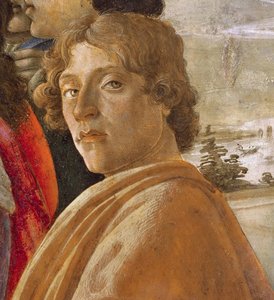
1445 - 1510 , Italija

Elevate your design projects with Most-Famous-Paintings's premium canvas prints and hand-painted reproductions. Discover affordable, museum-quality wall decor delivered worldwide, offering freelance decorators professional excellence, archival durability, and bespoke customization for every space.


Sekite naujausias meno naujienas, išskirtinius pasiūlymus ir dekoravimo idėjas.
Pasakokite mums apie savo projektą, o mūsų meno ekspertai parengs jums 3 asmeniškus meno pasiūlymus.
Leiskite mums parinkti 3 variantus būtent jums – nemokamai!


 Peržiūrėti realybėje
 Pasidalinti
 Dalintis
 Išsamiau

 Atsisiųsti
 Panašūs eksponatai
 Rentgeno nuotrauka
 Automatinė diorama
 Skaityti daugiau







 Stiklo variantas prieinamas tik pasirinkus dydį iki 110 cm