x

Muziejų lygio „giclée“ arba drobos spausdinimas: greita gamyba ir lankstios apdailos parinktys. ( Pirkti rankomis tapytą paveikslą Pirkti vaizdą)





























Pasirinkite iš mūsų nustatytų dydžių, atitinkančių originalaus meno kūrinio proporcijas.

Galite nurodyti savo matmenis, kad vaizdas atitiktų konkretų rėmą ar erdvę. Jei pasirinktas dydis nesutaps su originalaus paveikslėlio proporcijomis, mes arba apkirpsime kūrinį, arba išplėsime vaizdą naudojant veideliu atspindėtą arba vientisą šoną. Skaitmeninis maketas bus išsiųstas jums patvirtinti prieš pradedant gamybą.
Atkreipkite dėmesį, kad ekrane matomas vaizdinys neatspindi tikrojo apkirpimo ar išplėtimo. Tik maketas tiksliai parodytų galutinę kompoziciją.
Nors galima rinktis ir individualius dydžius, rekomenduojame pasirinkti vieną iš išanksti nustatytų matmenų, kad būtų išlaikytos originalios proporcijos.
Pristatymas visame pasaulyje () per 2 weeks, o ne įprastas 4/5 savaičių laikotarpis. (16 rugpjūtis)


St. Augustine In His Cell
Reprodukcijos matmenys
This captivating painting by Sandro Botticelli offers a rare glimpse into the private world of Saint Augustine, depicted not as a bishop or orator, but as a dedicated scholar immersed in his work. Created during the Early Renaissance, this artwork transcends mere portraiture; it’s an intimate study of intellect, faith, and the power of contemplation.
Botticelli masterfully blends realism with his signature elegant linearity. The figure of Saint Augustine is rendered with anatomical accuracy, yet possesses a refined grace characteristic of Florentine painting. Notice the delicate folds of his crimson robes contrasting against the muted tones of the architectural setting and the subtle play of light across his face. This work exemplifies Botticelli’s ability to bridge the gap between late Gothic traditions and the burgeoning Renaissance emphasis on naturalism.
Executed likely in oil on panel, the painting showcases Botticelli's meticulous technique. The smooth application of paint allows for subtle gradations of tone, creating a sense of depth and volume. Observe how he renders textures – from the smoothness of Augustine’s skin to the rougher surface of the wooden desk and the semi-transparency of the yellow curtain. This attention to detail elevates the work beyond simple representation.
This painting is one of a series created by Botticelli for the monastery of San Marco in Florence, commissioned by Cosimo de' Medici. These works were intended not as grand displays for public worship, but as devotional images for private contemplation within the monks’ cells. This intimate scale and subject matter reflect the growing emphasis on personal piety during the Renaissance.
Saint Augustine, a pivotal figure in Christian theology, is traditionally associated with authorship and intellectual pursuit. Here, he's shown actively engaged in writing, symbolizing divine inspiration and the preservation of knowledge. The scattered papers at his feet suggest the creative process – drafts, revisions, and the inherent messiness of bringing ideas to life. The architectural setting provides a sense of order and stability, representing the structured world of scholarship.
Beyond its historical and artistic significance, this painting evokes a profound sense of serenity and intellectual focus. It’s a work that invites quiet contemplation and offers a moment of respite from the distractions of modern life. Its rich color palette – deep reds, ochres, and muted blues – lends itself beautifully to a variety of interior settings, adding a touch of Renaissance elegance and sophistication to any space. A stunning addition for collectors seeking a masterpiece or designers aiming to create an atmosphere of refined contemplation.

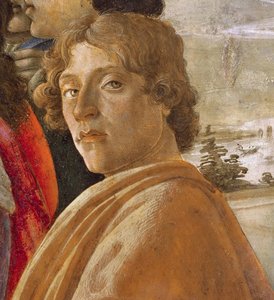
1445 - 1510 , Italija

Delve into the profound legacy of Saint George through art history. Explore iconic masterpieces by Raphael and Dürer, decoding the iconography of the dragon legend. Discover scholarly insights and bring these timeless tales to life with our museum-quality, hand-painted oil reproductions.

Explore the dramatic world of Italian Baroque art. Discover how masters like Caravaggio used chiaroscuro and tenebrism to revolutionize painting through light, shadow, and profound realism. A definitive guide for history lovers and art collectors.


Sekite naujausias meno naujienas, išskirtinius pasiūlymus ir dekoravimo idėjas.
Pasakokite mums apie savo projektą, o mūsų meno ekspertai parengs jums 3 asmeniškus meno pasiūlymus.
Leiskite mums parinkti 3 variantus būtent jums – nemokamai!


 Peržiūrėti realybėje
 Pasidalinti
 Dalintis
 Išsamiau

 Atsisiųsti
 Panašūs eksponatai
 Rentgeno nuotrauka
 Automatinė diorama

 Skaityti daugiau







 Stiklo variantas prieinamas tik pasirinkus dydį iki 110 cm