x

 Oil On CanvasWallArtFrench Baroque
 1640Early Modern
 393.0 x 250.0 cm
 Liuvro muziejus
Muziejų lygio „giclée“ arba drobos spausdinimas: greita gamyba ir lankstios apdailos parinktys. ( Pirkti rankomis tapytą paveikslą Pirkti vaizdą)





























Pasirinkite iš mūsų nustatytų dydžių, atitinkančių originalaus meno kūrinio proporcijas.

Galite nurodyti savo matmenis, kad vaizdas atitiktų konkretų rėmą ar erdvę. Jei pasirinktas dydis nesutaps su originalaus paveikslėlio proporcijomis, mes arba apkirpsime kūrinį, arba išplėsime vaizdą naudojant veideliu atspindėtą arba vientisą šoną. Skaitmeninis maketas bus išsiųstas jums patvirtinti prieš pradedant gamybą.
Atkreipkite dėmesį, kad ekrane matomas vaizdinys neatspindi tikrojo apkirpimo ar išplėtimo. Tik maketas tiksliai parodytų galutinę kompoziciją.
Nors galima rinktis ir individualius dydžius, rekomenduojame pasirinkti vieną iš išanksti nustatytų matmenų, kad būtų išlaikytos originalios proporcijos.
Pristatymas visame pasaulyje () per 2 weeks, o ne įprastas 4/5 savaičių laikotarpis. (23 rugpjūtis)


Presentation in the Temple
Reprodukcijos matmenys
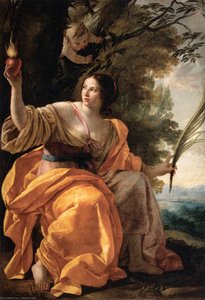
To stand before this magnificent depiction of Presentation in the Temple is to be enveloped by a palpable sense of sacred drama. The air itself seems thick with reverence, capturing that pivotal moment when the divine narrative unfolds for all to witness. Simon Vouet, masterfully channeling the energy of the Baroque era, has gifted us a scene teeming with life—a vibrant confluence of human emotion and celestial wonder. One cannot help but feel the weight of history and faith pressing down from the richly colored atmosphere surrounding Mary and Jesus as they are presented within the hallowed walls of the temple.
The sheer scale, measuring 393 x 250 cm, commands attention, much like a grand fresco adorning a palazzo wall. Vouet’s handling of light is nothing short of breathtaking; it does not merely illuminate the figures but seems to emanate from the spiritual core of the event itself. Observe the composition: it is a carefully orchestrated ballet of humanity and the supernatural. From the foreground, where intimate exchanges occur, the eye is drawn back through layers of activity—the surrounding observers, engaged in hushed conversation or rapt attention. Above them all, angels drift like luminous thoughts across the upper register, their presence suggesting an unseen, heavenly approval.
Every element within this canvas whispers a story of profound meaning. The gathering itself is rich with symbolic weight; it marks not just a ritual observance but the public acknowledgment of Christ’s divine status. Notice the inclusion of the dog near the bottom left corner—a subtle yet potent detail that often symbolizes fidelity and unwavering devotion, grounding the ethereal drama in tangible loyalty. Vouet populates this scene with at least thirteen figures, each playing a role in the grand tapestry of faith. The interplay between these numerous characters creates a dynamic tension, allowing the viewer to meditate on themes of witness, piety, and divine revelation.
As a pioneer of French Baroque painting, Simon Vouet imbued this work with an emotional intensity that transcends mere depiction. His style moves beyond the cool detachment of earlier periods; here, we feel the warmth of Mary’s concern, the solemnity of the priests, and the awe of the onlookers. The rich palette, characteristic of the period around 1640, utilizes deep jewel tones juxtaposed with brilliant highlights, giving the entire scene a luxurious, almost tactile quality. Owning or displaying a reproduction of this piece is to invite a masterpiece of emotional resonance into your space—a constant reminder of art’s power to elevate the everyday moment into something eternal.

Simon Vouet buvo kritiškai svarbus žmogus prancūziškos dailės paeitajojame iš Manierizmo į Baroką stilių. Gimęs menininkų šeimoje – jo tėvis Laurent buvo dailininkas, o brolis Aubin taip pat mėgė meną – Vouet gavo ankstyvą mokymą, kuris padėjo pagrindą jo ateičiai sėkmei. Jo negrandsonis, Ludovico Dorigny, tęsė šeimos meninį palikimą.
Per Italijos kelionę Vouet įsimokė įvairių įtakų. Jis studijavo dramatiškas šviesos technikų, kurias pionierius buvo Caravaggio, priėmė italinių Manierizmo elementus ir didikškai analizavo spalvų paletas bei di sotto in su (išsišvytinta perspektiva), kurią naudojo Paolo Veronese. Jis taip pat įkvėpėsi iš Carracci, Guercino, Lanfranco ir Guido Reni darbų, sintezuojant šiuos įvairius stilius į unikalią meninę viziją.
Simon Vouet palikimas pagrįstas jo kritiškai svarbiu vaidmeniu kaip tilto tarp italinės ir prancūziškos menininkystės. Jis sėkriausiai importavo itališko Baroko dinamiškumą ir didingumą, paverdamas jį stiliu, kuris atžvilgiuose rezonavo su prancūziškos dvorkio ir aristokatijos skoniais. Jo įtaka yra neapribojama 17 amčiuje prancūziškojo dailės vystymosi, o jo įnašos darbuose vis dar yra pripažįstamos menininkų istorikams.

1590 - 1649 , Prancūzija

Explore the profound elegance of Baroque Classicism. Discover how 17th-century masters synthesized dramatic emotion with classical order through the lens of the Counter-Reformation and the works of legends like Carlo Maratta and Andrea Sacchi.

Explore the dramatic power of Baroque art through an expert guide to light, shadow, and emotion. Discover how the Counter-Reformation shaped 17th-century masterpieces and learn about the profound techniques used by the Old Masters to inspire awe.

Explore the dramatic evolution from Mannerist distortion to Baroque grandeur. Discover how light, shadow, and emotion redefined art history through a masterclass in technical mastery and religious fervor.

Explore the profound differences between Baroque drama and Rococo elegance. Our expert guide delves into art history, chiaroscuro, and the evolution of European masterpieces for collectors and enthusiasts seeking deep historical context.

Explore the profound drama of 17th-century Baroque art. Discover how masters used chiaroscuro, movement, and emotional intensity to redefine history through the lens of the Counter-Reformation. An expert guide for art historians and collectors seeking deep cultural insight.


Sekite naujausias meno naujienas, išskirtinius pasiūlymus ir dekoravimo idėjas.
Pasakokite mums apie savo projektą, o mūsų meno ekspertai parengs jums 3 asmeniškus meno pasiūlymus.
Leiskite mums parinkti 3 variantus būtent jums – nemokamai!


 Peržiūrėti realybėje
 Pasidalinti
 Dalintis
 Išsamiau

 Atsisiųsti
 Panašūs eksponatai
 Rentgeno nuotrauka
 Automatinė diorama
 Skaityti daugiau







 Stiklo variantas prieinamas tik pasirinkus dydį iki 110 cm