x

 Oil On CanvasWallArtBaroque
 151.0 x 149.0 cm
Rankiniu būdu tapytas aliejus ant droblio jūsų pageidaujamame dydį ir rėmuose – mūsų menininkų darbas pagal užsakymą. ( Pirkti spaudinį Pirkti vaizdą)





























Pasirinkite iš mūsų nustatytų dydžių, atitinkančių originalaus meno kūrinio proporcijas.

Galite įvesti savo matmenis, kad jie atitiktų konkretų rėmą ar erdvę. Jei pasirinktas dydis neatitinka originalaus paveikslėlio proporcijų, mes arba apkropsime meno kūrinį, arba papildysime tapybą rankomis dažytい elementais. Prieš pradėdami gamybą, jūsų patvirtinimui atsiųsime skaitmeninį maketą.
Atkreipkite dėmesį, kad ekrane rodomas vaizdas neatspindi tikrojo apkarpymo ar papildymo. Tik maketas tiksliai parodys galutinę kompoziciją.
Nors galima rinktis ir individualius dydžius, rekomenduojame pasirinkti matmenis iš nustatytos sąrašo, kad būtų išlaikytos originalios proporcijos.
Pristatymas visame pasaulyje () per 3–4 savaites, o ne įprastai – per 5 savaites. (18 rugpjūtis). Kokybė lieka nepakeičiama.


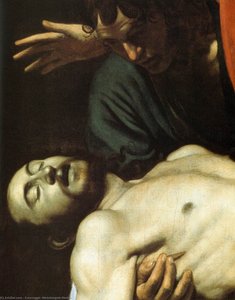
The Entombment
Reprodukcijos matmenys
To stand before this depiction of The Entombment is to be enveloped in a palpable atmosphere of sacred grief and profound human drama. Simon Vouet, a master navigating the turbulent currents from Mannerism into the full bloom of French Baroque, captures not merely an event, but a moment suspended between life and eternity. The scene centers on the figure laid before the cross, his outstretched arms speaking volumes of sacrifice and repose. It is a composition that demands the viewer’s complete surrender to its solemn narrative weight.
Vouet's genius shines through in his masterful handling of light and shadow, techniques heavily influenced by the dramatic realism pioneered by Caravaggio. The interplay between illumination and deep shadow—the tenebrism—is not merely decorative; it is narrative. Light seems to emanate from a divine source, selectively illuminating the pallor of the fallen body and the anguished gestures of those gathered around him. Observe the surrounding figures: their varied poses—some kneeling in supplication, others standing in quiet witness—create a complex tapestry of human reaction. The depth achieved through these clustered forms gives the composition an almost three-dimensional immediacy, pulling the observer directly into the sacred circle.
The symbolism inherent in this work is rich and deeply moving. Beyond the immediate religious narrative, the scene speaks to universal themes of loss, devotion, and redemption. The outstretched arms are a powerful symbol of both surrender and eternal embrace. The presence of multiple figures allows Vouet to explore the spectrum of human emotion—from profound sorrow to quiet contemplation—all converging on this central point of repose. For the collector or designer, this piece offers more than mere decoration; it is an emotional anchor, capable of lending a sense of weighty, contemplative dignity to any space.
Simon Vouet’s career trajectory—from his early portraiture successes to his pivotal role in major decorative schemes for Parisian patrons like Louis XIII—marks him as a key architect of the French Baroque style. This work, representative of that grand period, showcases his ability to integrate high drama with sophisticated compositional structure. The di sotto perspective suggested by the overall arrangement implies an immersive experience, making the viewer feel as if they are standing within the chapel itself. Owning a reproduction of this scale (151 x 149 cm) allows one to bring the grandeur and intellectual weight of 17th-century French artistic patronage into a modern setting.

Simon Vouet buvo kritiškai svarbus žmogus prancūziškos dailės paeitajojame iš Manierizmo į Baroką stilių. Gimęs menininkų šeimoje – jo tėvis Laurent buvo dailininkas, o brolis Aubin taip pat mėgė meną – Vouet gavo ankstyvą mokymą, kuris padėjo pagrindą jo ateičiai sėkmei. Jo negrandsonis, Ludovico Dorigny, tęsė šeimos meninį palikimą.
Per Italijos kelionę Vouet įsimokė įvairių įtakų. Jis studijavo dramatiškas šviesos technikų, kurias pionierius buvo Caravaggio, priėmė italinių Manierizmo elementus ir didikškai analizavo spalvų paletas bei di sotto in su (išsišvytinta perspektiva), kurią naudojo Paolo Veronese. Jis taip pat įkvėpėsi iš Carracci, Guercino, Lanfranco ir Guido Reni darbų, sintezuojant šiuos įvairius stilius į unikalią meninę viziją.
Simon Vouet palikimas pagrįstas jo kritiškai svarbiu vaidmeniu kaip tilto tarp italinės ir prancūziškos menininkystės. Jis sėkriausiai importavo itališko Baroko dinamiškumą ir didingumą, paverdamas jį stiliu, kuris atžvilgiuose rezonavo su prancūziškos dvorkio ir aristokatijos skoniais. Jo įtaka yra neapribojama 17 amčiuje prancūziškojo dailės vystymosi, o jo įnašos darbuose vis dar yra pripažįstamos menininkų istorikams.

1590 - 1649 , Prancūzija

Explore the profound elegance of Baroque Classicism. Discover how 17th-century masters synthesized dramatic emotion with classical order through the lens of the Counter-Reformation and the works of legends like Carlo Maratta and Andrea Sacchi.

Explore the profound drama of 17th-century Baroque art. Discover how masters used chiaroscuro, movement, and emotional intensity to redefine history through the lens of the Counter-Reformation. An expert guide for art historians and collectors seeking deep cultural insight.

Explore the dramatic power of Baroque art through an expert guide to light, shadow, and emotion. Discover how the Counter-Reformation shaped 17th-century masterpieces and learn about the profound techniques used by the Old Masters to inspire awe.

Explore the dramatic evolution from Mannerist distortion to Baroque grandeur. Discover how light, shadow, and emotion redefined art history through a masterclass in technical mastery and religious fervor.

Explore the profound differences between Baroque drama and Rococo elegance. Our expert guide delves into art history, chiaroscuro, and the evolution of European masterpieces for collectors and enthusiasts seeking deep historical context.


Sekite naujausias meno naujienas, išskirtinius pasiūlymus ir dekoravimo idėjas.
Pasakokite mums apie savo projektą, o mūsų meno ekspertai parengs jums 3 asmeniškus meno pasiūlymus.
Leiskite mums parinkti 3 variantus būtent jums – nemokamai!


 Peržiūrėti realybėje
 Pasidalinti
 Dalintis
 Išsamiau

 Atsisiųsti
 Panašūs eksponatai
 Rentgeno nuotrauka
 Automatinė diorama
 Skaityti daugiau







 Stiklo variantas prieinamas tik pasirinkus dydį iki 110 cm