x

 OilWallArtBaroque Splendor
 1615Early Modern
 98.0 x 105.0 cm
 Sanssouci paveikslų galerija
Muziejų lygio „giclée“ arba drobos spausdinimas: greita gamyba ir lankstios apdailos parinktys. ( Pirkti rankomis tapytą paveikslą Pirkti vaizdą)





























Pasirinkite iš mūsų nustatytų dydžių, atitinkančių originalaus meno kūrinio proporcijas.

Galite nurodyti savo matmenis, kad vaizdas atitiktų konkretų rėmą ar erdvę. Jei pasirinktas dydis nesutaps su originalaus paveikslėlio proporcijomis, mes arba apkirpsime kūrinį, arba išplėsime vaizdą naudojant veideliu atspindėtą arba vientisą šoną. Skaitmeninis maketas bus išsiųstas jums patvirtinti prieš pradedant gamybą.
Atkreipkite dėmesį, kad ekrane matomas vaizdinys neatspindi tikrojo apkirpimo ar išplėtimo. Tik maketas tiksliai parodytų galutinę kompoziciją.
Nors galima rinktis ir individualius dydžius, rekomenduojame pasirinkti vieną iš išanksti nustatytų matmenų, kad būtų išlaikytos originalios proporcijos.
Pristatymas visame pasaulyje () per 2 weeks, o ne įprastas 4/5 savaičių laikotarpis. (19 rugpjūtis)


Artemisia
Reprodukcijos matmenys
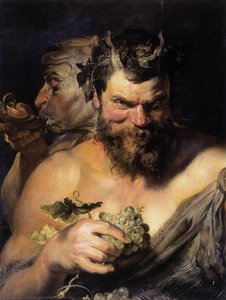
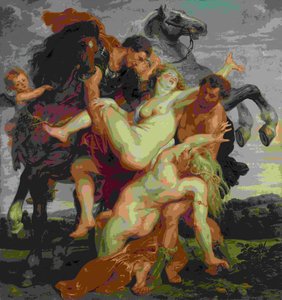
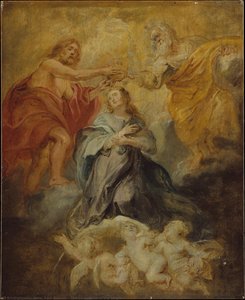
In the grand tapestry of the Baroque era, few portraits command the viewer's attention with such profound psychological depth as Peter Paul Rubens’ 1615 masterpiece, Artemisia. This is not merely a depiction of a noblewoman; it is an evocative encounter with a soul forged in fire. Through his masterful brush, Rubens captures the likeness of Artemisia Gentileschi, a woman whose life was defined by both immense artistic triumph and harrowing personal struggle. The painting serves as a breathtaking bridge between the physical world and the internal landscape of human endurance, making it a centerpiece of unparalleled emotional gravity for any discerning collector.
The composition is a masterclass in chiaroscuro, where the dramatic interplay of light and shadow breathes life into every fold of fabric and every flicker of expression. Rubens employs a rich, vibrant palette that underscores the theatricality of the scene, drawing the eye toward the central figure whose gaze remains steady and unyielding. As light spills across the canvas, it illuminates the regal crown upon her head—a deliberate symbol of her intellectual sovereignty and her hard-won status within a male-dominated artistic landscape. The meticulous rendering of textures, from the heavy sheen of luxurious fabrics to the subtle warmth of skin tones, creates an illusionistic depth that invites the viewer to step directly into this historical moment.
Beyond its technical brilliance, the artwork is steeped in the complex socio-religious atmosphere of the Counter-Reformation. Created during a time of intense religious fervor and shifting social hierarchies, the portrait functions as an allegory of strength. The presence of surrounding figures, engaged in what appears to be a moment of shared focus or scholarly discussion, provides a sense of communal gravity that contrasts with the singular, introspective power of Artemisia herself. Every element, from the way the light catches the bowl before her to the subtle shadows masking the faces of her admirers, contributes to a narrative of dignity maintained amidst chaos.
For those looking to integrate such a piece into a curated interior, Artemisia offers more than just aesthetic beauty; it provides a conversation piece that speaks to themes of agency and resilience. The painting’s ability to anchor a room with its somber yet magnificent presence makes it an ideal choice for sophisticated spaces—be it a formal study, a grand dining hall, or a contemporary gallery setting. It is a work that does not merely decorate a wall but enriches the very atmosphere of a home, offering a timeless window into the triumph of the human spirit through the lens of Baroque splendor.


1577 - 1640 , Vokietija

Explore the grandeur of Baroque portraiture! Discover Rubens, Van Dyck & the masters of 17th-century art. Uncover symbolism, techniques & lasting influence. Expert insights for collectors and enthusiasts.
Atraskite 10 baroko šedevrų, kurie apibrėžė epoką! Karolis Rubenzas, Berninis ir kiti meistrai – jų kūriniai, istorijos bei spalvos. Aukščiausios kokybės dailės reprodukcijos ir interjero įkvėpimas Most-Famous-Paintings.com. Išnagrinėkite visą kolekciją internete!

Explore the dramatic brilliance of the Flemish Baroque movement. Discover how masters like Peter Paul Rubens utilized chiaroscuro and dynamic composition to redefine art history through light, shadow, and unparalleled emotion.
Discover the life & art of Peter Paul Rubens, the most influential artist of the Flemish Baroque tradition. Explore his masterpieces, legacy, and impact on art history with Most-Famous-Paintings.

Explore the dramatic world of Baroque art! Discover iconic artists like Caravaggio & Rubens, defining techniques, and its lasting impact on art history. Expert insights for collectors & enthusiasts at Most-Famous-Paintings.


Sekite naujausias meno naujienas, išskirtinius pasiūlymus ir dekoravimo idėjas.
Pasakokite mums apie savo projektą, o mūsų meno ekspertai parengs jums 3 asmeniškus meno pasiūlymus.
Leiskite mums parinkti 3 variantus būtent jums – nemokamai!


 Peržiūrėti realybėje
 Pasidalinti
 Dalintis
 Išsamiau

 Atsisiųsti
 Panašūs eksponatai
 Rentgeno nuotrauka
 Automatinė diorama
 Skaityti daugiau







 Stiklo variantas prieinamas tik pasirinkus dydį iki 110 cm