x

 Akrilas ant drobėsSieninis menasBaroque
 1628
1628 198.0 x 137.0 cm
Rankiniu būdu tapytas aliejus ant droblio jūsų pageidaujamame dydį ir rėmuose – mūsų menininkų darbas pagal užsakymą. ( Perejti prie spausdinimo Perjungti į vaizdą)





























Pasirinkite iš mūsų nustatytų dydžių, atitinkančių originalaus meno kūrinio proporcijas.

Galite įvesti savo matmenis, kad jie atitiktų konkretų rėmą ar erdvę. Jei pasirinktas dydis neatitinka originalaus paveikslėlio proporcijų, mes arba apkropsime meno kūrinį, arba papildysime tapybą rankomis dažytい elementais. Prieš pradėdami gamybą, jūsų patvirtinimui atsiųsime skaitmeninį maketą.
Atkreipkite dėmesį, kad ekrane rodomas vaizdas neatspindi tikrojo apkarpymo ar papildymo. Tik maketas tiksliai parodys galutinę kompoziciją.
Nors galima rinktis ir individualius dydžius, rekomenduojame pasirinkti matmenis iš nustatytos sąrašo, kad būtų išlaikytos originalios proporcijos.
Pristatymas visame pasaulyje () per 3–4 savaites, o ne įprastai – per 5 savaites. (9 rugpjūtis). Kokybė lieka nepakeičiama.


Immaculate Conception
Reprodukcijos matmenys
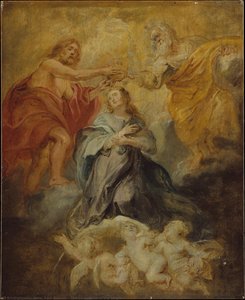
Peter Paul Rubens’ Immaculate Conception, a painting brimming with vibrant color and dynamic movement, isn't merely a depiction of the Virgin Mary; it’s an immersive experience of Baroque fervor. Completed in 1628 during his time in Madrid, Spain, this work transcends simple religious iconography to become a testament to Rubens’ unparalleled skill in capturing both spiritual grandeur and earthly beauty. Housed within the Museo del Prado, its presence commands attention, inviting viewers into a world where divine grace intertwines with human emotion.
At first glance, the painting presents a scene of profound serenity: Mary stands upon a globe, a subtle yet powerful symbol of her role as protector and nurturer of humanity. Dressed in sumptuous robes—a fiery red tunic contrasted by deep blues—she is adorned with a radiant crown of stars, immediately elevating her to a position of unparalleled sanctity. The composition isn’t static; angels swirl around her, their wings catching the light, while at her feet, a coiled serpent represents the vanquishing of evil – a potent visual narrative woven into the fabric of faith. Rubens masterfully employs chiaroscuro, utilizing dramatic contrasts between light and shadow to draw our gaze directly to Mary’s face, radiating an almost palpable sense of peace and maternal love.
Rubens' signature style is immediately evident in the painting’s explosive use of color. He eschews the muted tones often associated with religious art of the period, instead embracing a palette rich in reds, blues, golds, and greens—colors that pulsate with life and energy. This vibrant approach was deeply influenced by his time in Italy, particularly his exposure to Caravaggio's dramatic *tenebrism*, where stark contrasts between light and dark heighten emotional impact. The golden light bathing the scene isn’t merely decorative; it symbolizes divine grace illuminating Mary’s purity and virtue. Notice how Rubens builds layers of color, creating a sense of depth and volume that draws us into the heart of the composition.
Technically, the painting showcases Rubens' mastery of oil paint. He employs loose brushstrokes—a hallmark of his style—to create an impressionistic effect, capturing not just the details of Mary’s robes but also the swirling movement of the angels and the subtle textures of the globe beneath her feet. The meticulous rendering of fabric, particularly the folds in Mary's garments, demonstrates a remarkable attention to detail, while simultaneously contributing to the painting’s overall sense of dynamism.
The Immaculate Conception was painted during Rubens’ visit to Madrid in 1628, where he served as court painter to King Philip IV of Spain. This encounter profoundly shaped the work, reflecting the religious fervor and artistic patronage prevalent within the Spanish royal court at the time. The painting's grandeur and emotional intensity align perfectly with the Baroque aesthetic favored by the Habsburg monarchy, who sought to project an image of power, piety, and cultural sophistication. It’s believed that Philip IV himself commissioned the work, recognizing its ability to inspire awe and reverence.
Beyond its royal connections, the painting speaks to a broader theological debate surrounding Mary's role in salvation history. The doctrine of the Immaculate Conception—that Mary was conceived without original sin—was gaining traction during this period, and Rubens’ depiction powerfully embodies this belief. Interestingly, the work predates the formal definition of the dogma by nearly two centuries, yet it anticipates the theological arguments that would ultimately solidify its place within Catholic doctrine.
The Immaculate Conception remains a cornerstone of Baroque art and a testament to Peter Paul Rubens’ artistic genius. Its blend of religious symbolism, vibrant colors, and dynamic composition continues to resonate with viewers today, offering insights into the spiritual and cultural values of the 17th century. It's more than just a beautiful painting; it’s a window into a world where faith, art, and power converged in spectacular fashion. For those seeking to explore further works by Rubens, we encourage you to visit Peter Paul Rubens: Immaculate Conception on Most-Famous-Paintings. Additionally, delve deeper into the life and work of this master at Peter Paul Rubens - Wikipedia.


1577 - 1640 , Vokietija
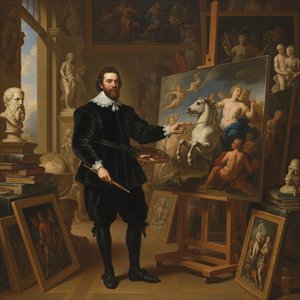
Discover the life & art of Peter Paul Rubens, the most influential artist of the Flemish Baroque tradition. Explore his masterpieces, legacy, and impact on art history with Most-Famous-Paintings.

Explore the dramatic world of Baroque art! Discover iconic artists like Caravaggio & Rubens, defining techniques, and its lasting impact on art history. Expert insights for collectors & enthusiasts at Most-Famous-Paintings.
Atraskite 10 baroko šedevrų, kurie apibrėžė epoką! Karolis Rubenzas, Berninis ir kiti meistrai – jų kūriniai, istorijos bei spalvos. Aukščiausios kokybės dailės reprodukcijos ir interjero įkvėpimas Most-Famous-Paintings.com. Išnagrinėkite visą kolekciją internete!

Explore the grandeur of Baroque portraiture! Discover Rubens, Van Dyck & the masters of 17th-century art. Uncover symbolism, techniques & lasting influence. Expert insights for collectors and enthusiasts.

Atraskite baroko dramatiškumą! Meno konsultacijos, rankų darbo reprodukcijos ir patarimai, kaip įnešti eleganciją bei emocijas į jūsų interjerą su Most-Famous-Paintings.com. Kokybė garantuota!


Sekite naujausias meno naujienas, išskirtinius pasiūlymus ir dekoravimo idėjas.
Pasakokite mums apie savo projektą, o mūsų meno ekspertai parengs jums 3 asmeniškus meno pasiūlymus.
Leiskite mums parinkti 3 variantus būtent jums – nemokamai!


 Peržiūrėti realybėje
 Pasidalinti
 Dalintis
 Išsamiau

 Atsisiųsti
 Panašūs eksponatai
 Rentgeno nuotrauka
 Automatinė diorama
 Skaityti daugiau







 Stiklo variantas prieinamas tik pasirinkus dydį iki 110 cm