x

 Aliejus ant drobėsSieninis menasBaroque
 1618Renesansas
 92.0 x 68.0 cm
Įsigykite aukštos skiriamosios raiškos, patobulintą skaitmeninį vaizdą, gerokai pranašesnį už internetinę peržiūrą.
Kiekvieną failą mūsų specialistai kruopščiai paruošia naudojant pažangias technologijas ir profesionalų rankinį retušavimą. Užtikriname, kad kiekvienas vaizdas pasižymėtų išskirtiniu aiškumu, tikslia spalvų atspalviu ir smulkiomis detalėmis.
Baigiamas failas el. paštu pristatomas per 72 valandas; jis optimizuotas nedelsiant naudojimui profesionalioje, redakcinėje ir spausdinimo aplinkoje. Tai ta pati kokybė, kuria pasitiki aukščiausios klasės dizaino studijos, leidyklos ir galerijos.
Atsisiųskite didelės raiškos failą asmeniniam naudojimui, spausdinimui ir kūrybiniams projektams. ( Pirkti spaudinį Pirkti rankomis tapytą paveikslą)
Pasirinkę Most-Famous-Paintings.com, jūs ne tik gaunate paveikslėlį – jūs gaunate profesionaliai patobudintą skaitmeninį kūrinį, sukurtą itin tikniai ir užtikrinantį pasitenkinimą. Štai viską, kas automatiškai pritékia jūsų užsakymui:

Jūsų aukštos raiškos skaitmeninis vaizdo failas bus išsiųstas jums el. paštu per 72 valaudas nuo užsakymo – paruoštas naudojimui be jokių papildomų veiksmų.

Jūsų meno kūrinys profesionaliai optimizuojamas naudojant pažangius dirbtinio intelekto įrankius ir rankinį redagavimą, užtikrinant maksimalią detalę, aiškumą ir spalvų tikslumą.

Atsitiktinai ištrytikote ar praradote savo failą? Nebijokite – bet kuriuo metu atsiųsime jį jums vėl nemokamai.

Mėgaukitės savo meno kūriniu akimirka – skaitiniai failai visada yra neapmokestinami, todėl nereikės mokėti muitinės, mokesčių ar pristatymo mokesčių.

Naudodami profesionalią įrangą ir spalvų valdymo sistemas, užtikriname, kad jūsų skaitmeninis vaizdas kuo tiksliau atspindėtų originalias spalvas.

Jei nebuvate patenkinti savo skaitinio vaizdo, per 60 dienų jį pertaisysime arba grąkinsime 100% sumą – be jokių klausimų.

Nepat 만족inti? Gaukite visą sumokėtą sumą per 60 dienų nuo skaitmeninio failo gavimo – be jokių papildomų klausimų.

Pirkti 3 nuotraukas – pasiūla 10% - Pirkti 5 – pasiūla 15% - Pirkti 10 ir daugiau – pasiūla 20%. Puikiai tinka kūrybiniams projektams, galerijoms bei agentūroms.
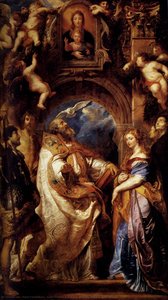
Peter Paul Rubens’s “Saint Peter” is more than just a portrait; it's a vibrant embodiment of the artist’s signature style – a dynamic, emotionally charged depiction of one of Christianity’s most revered figures. Completed in 1618 during a pivotal period in his career, this painting offers a profound glimpse into the heart of the Flemish Baroque and its engagement with both classical ideals and the fervor of the Counter-Reformation. The work, currently residing within the Kunstsammlungen Graf von Schönborn Pommersfelden in Schloss Weißenstein, Germany, stands as a testament to Rubens’s unparalleled ability to infuse religious iconography with life, movement, and an almost palpable sense of drama.
Rubens's artistic approach is immediately striking. He eschews the static formality often associated with depictions of saints, instead presenting Saint Peter in a posture of confident authority, his hand outstretched as if offering guidance or bearing witness to a momentous event. The composition itself is meticulously crafted – a carefully balanced arrangement of form and color that draws the eye directly to the central figure. Notice how Rubens utilizes diagonal lines, particularly those created by Peter’s robe and gesture, to generate a sense of forward momentum, suggesting an active role in the narrative rather than a passive recipient of divine grace.
Rubens was renowned for his mastery of oil on canvas, employing a technique that prioritized intense color saturation and dramatic lighting. In “Saint Peter,” he skillfully manipulates *chiaroscuro* – the interplay of light and dark – to sculpt the figure’s form and heighten its emotional impact. The deep shadows enveloping much of the background contrast sharply with the luminous glow illuminating Peter, creating a powerful sense of depth and drawing attention to his central position within the composition. The rich palette—a symphony of reds, blues, and golds—is characteristic of Rubens's style, reflecting both the opulence of the Counter-Reformation and his deep understanding of color theory.
At the heart of the painting lies the symbolic significance of Saint Peter’s gesture. He holds a key in his hand – an unmistakable reference to his role as the keeper of heaven's gates, as recounted in Matthew 16:19. This potent symbol immediately establishes Peter’s authority and importance within the Christian narrative. The richly embroidered robe, indicative of his elevated status as Pope, further emphasizes this symbolic weight. Beyond the key, subtle details contribute to the painting’s layered meaning; the beard and mustache, rendered with meticulous realism, convey a sense of wisdom and experience, while the overall posture exudes both humility and strength.
The backdrop of “Saint Peter” is dominated by a dramatic, almost stormy sky – a deliberate choice that amplifies the painting’s emotional intensity. This use of atmospheric perspective, coupled with the strong contrasts between light and shadow, creates a sense of depth and drama reminiscent of Baroque art. The dark, brooding background serves not merely as a setting but as an active participant in the scene, mirroring Peter's own role as a beacon of hope amidst uncertainty. The composition is carefully balanced, ensuring that Peter remains the focal point while also incorporating elements that suggest a broader narrative context – perhaps hinting at his martyrdom or his leadership within the early Church.
Created during a period of intense religious and artistic renewal, “Saint Peter” reflects the Counter-Reformation’s emphasis on emotional engagement and dramatic storytelling. Rubens's workshop in Antwerp was a hub for artistic innovation, producing works that catered to both aristocratic patrons and the burgeoning Catholic Church. His style profoundly influenced subsequent generations of artists, notably Anthony van Dyck, who adopted Rubens’s dynamic compositions and vibrant color palettes, particularly in his portraits of English nobility. The painting’s enduring appeal lies not only in its technical brilliance but also in its ability to capture the essence of a pivotal figure within Christian history – a testament to Peter Paul Rubens's genius as one of the greatest artists of the Baroque era.


1577 - 1640 , Vokietija


Sekite naujausias meno naujienas, išskirtinius pasiūlymus ir dekoravimo idėjas.
Pasakokite mums apie savo projektą, o mūsų meno ekspertai parengs jums 3 asmeniškus meno pasiūlymus.
Leiskite mums parinkti 3 variantus būtent jums – nemokamai!


 Peržiūrėti realybėje
 Pasidalinti
 Dalintis
 Išsamiau

 Atsisiųsti
 Panašūs eksponatai
 Rentgeno nuotrauka
 Automatinė diorama
 Skaityti daugiau