x

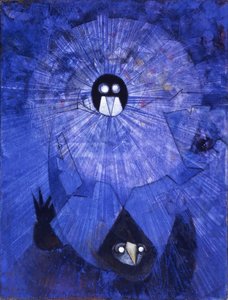
 39.0 x 55.0 cm
 Northumbria University Gallery
Įsigykite aukštos skiriamosios raiškos, patobulintą skaitmeninį vaizdą, gerokai pranašesnį už internetinę peržiūrą.
Kiekvieną failą mūsų specialistai kruopščiai paruošia naudojant pažangias technologijas ir profesionalų rankinį retušavimą. Užtikriname, kad kiekvienas vaizdas pasižymėtų išskirtiniu aiškumu, tikslia spalvų atspalviu ir smulkiomis detalėmis.
Baigiamas failas el. paštu pristatomas per 72 valandas; jis optimizuotas nedelsiant naudojimui profesionalioje, redakcinėje ir spausdinimo aplinkoje. Tai ta pati kokybė, kuria pasitiki aukščiausios klasės dizaino studijos, leidyklos ir galerijos.
Atsisiųskite didelės raiškos failą asmeniniam naudojimui, spausdinimui ir kūrybiniams projektams. ( Pirkti spaudinį Pirkti rankomis tapytą paveikslą)
Pasirinkę Most-Famous-Paintings.com, jūs ne tik gaunate paveikslėlį – jūs gaunate profesionaliai patobudintą skaitmeninį kūrinį, sukurtą itin tikniai ir užtikrinantį pasitenkinimą. Štai viską, kas automatiškai pritékia jūsų užsakymui:

Jūsų aukštos raiškos skaitmeninis vaizdo failas bus išsiųstas jums el. paštu per 72 valaudas nuo užsakymo – paruoštas naudojimui be jokių papildomų veiksmų.

Jūsų meno kūrinys profesionaliai optimizuojamas naudojant pažangius dirbtinio intelekto įrankius ir rankinį redagavimą, užtikrinant maksimalią detalę, aiškumą ir spalvų tikslumą.

Atsitiktinai ištrytikote ar praradote savo failą? Nebijokite – bet kuriuo metu atsiųsime jį jums vėl nemokamai.

Mėgaukitės savo meno kūriniu akimirka – skaitiniai failai visada yra neapmokestinami, todėl nereikės mokėti muitinės, mokesčių ar pristatymo mokesčių.

Naudodami profesionalią įrangą ir spalvų valdymo sistemas, užtikriname, kad jūsų skaitmeninis vaizdas kuo tiksliau atspindėtų originalias spalvas.

Jei nebuvate patenkinti savo skaitinio vaizdo, per 60 dienų jį pertaisysime arba grąkinsime 100% sumą – be jokių klausimų.

Nepat 만족inti? Gaukite visą sumokėtą sumą per 60 dienų nuo skaitmeninio failo gavimo – be jokių papildomų klausimų.

Pirkti 3 nuotraukas – pasiūla 10% - Pirkti 5 – pasiūla 15% - Pirkti 10 ir daugiau – pasiūla 20%. Puikiai tinka kūrybiniams projektams, galerijoms bei agentūroms.

In the vast, often turbulent landscape of postwar American art, few figures cast a shadow as profound or as geometrically precise as Tony Smith. Born in South Orange, New Jersey, in 1912, Smith’s journey toward becoming a cornerstone of Minimalist sculpture was not a linear ascent through academic halls, but rather a complex weaving of architectural discipline, industrial fascination, and an intuitive connection to the unconscious. His early life was shaped by a profound encounter with physical fragility; a bout of tuberculosis in his youth instilled in him a deep reverence for the transformative power of structure and the way built environments can respond to human limitations. This early exposure to innovative building techniques—witnessed through his family’s use of prefabricated housing—planted the seeds for an artistic language that would eventually bridge the gap between the organic spirit and the industrial machine.
Smith’s path to creative mastery was marked by a restless, experiential intellect. Eschewing the rigid confines of traditional academia, he sought knowledge through direct engagement with the masters of his era. At the Art Students League of New York, he immersed himself in the meticulous disciplines of anatomy and drawing under figures such as George Bridgman and George Groszek. His pursuit of architectural truth led him to the New Bauhaus in Chicago and, most pivotally, to an apprenticeship with the legendary Frank Lloyd Wright. Working on the Ardmore Project and spending time at Taliesin, Smith absorbed a philosophy where form and function were inseparable. Yet, as he matured, a certain disillusionment began to take root. The domestic restrictions of client-driven architecture—the demand for comfort over pure form—began to feel like a cage, prompting him to seek a medium that offered the permanence and monumental presence he craved.
The transition from architect to sculptor in the early 1960s represented one of the most radical shifts in modern art history. Smith did not merely abandon architecture; he translated its principles into a new, sculptural vocabulary. He began to view his works not as mere objects, but as presences—entities that occupied space with a spiritual and physical weight. This period saw the birth of his iconic large-scale, modular works, characterized by their geometric abstraction and industrial rigor. One of his most revolutionary innovations was the decision to have his sculptures industrially fabricated. By utilizing steel and other industrial materials, Smith stripped away the "hand of the artist" in the traditional sense, allowing the raw, unyielding power of the material to speak for itself.
His work during this era was a masterful synthesis of seemingly contradictory forces:
The legacy of Tony Smith extends far beyond the steel monoliths that bear his name. He was a bridge-builder between generations, a teacher at institutions like NYU and Cooper Union who mentored future icons of the New York School. His influence can be traced through the lineage of contemporary art, even reaching into the work of his daughter, the renowned artist Kiki Smith, whose sensitivity to the human form carries a different, yet equally profound, resonance. Smith’s ability to infuse industrial geometry with an almost primordial sense of mystery ensured that his work would never be dismissed as mere mathematical exercise.
Today, the significance of Smith’s oeuvre is recognized through major retrospectives at The Museum of Modern Art, the Menil Collection, and the Los Angeles County Museum of Art. He remains a vital figure for anyone studying the intersection of art and architecture, reminding us that even within the most rigid structures, there exists a profound capacity for human expression and spiritual depth. His sculptures remain as they were intended: powerful, silent presences that continue to challenge our perception of space, weight, and the very essence of existence.

1912 - 1980 , United States of America


Sekite naujausias meno naujienas, išskirtinius pasiūlymus ir dekoravimo idėjas.
Pasakokite mums apie savo projektą, o mūsų meno ekspertai parengs jums 3 asmeniškus meno pasiūlymus.
Leiskite mums parinkti 3 variantus būtent jums – nemokamai!


 Peržiūrėti realybėje
 Pasidalinti
 Dalintis
 Išsamiau

 Atsisiųsti
 Panašūs eksponatai
 Rentgeno nuotrauka
 Automatinė diorama
 Skaityti daugiau