x

Muziejų lygio „giclée“ arba drobos spausdinimas: greita gamyba ir lankstios apdailos parinktys. ( Pirkti rankomis tapytą paveikslą Pirkti vaizdą)





























Pasirinkite iš mūsų nustatytų dydžių, atitinkančių originalaus meno kūrinio proporcijas.

Galite nurodyti savo matmenis, kad vaizdas atitiktų konkretų rėmą ar erdvę. Jei pasirinktas dydis nesutaps su originalaus paveikslėlio proporcijomis, mes arba apkirpsime kūrinį, arba išplėsime vaizdą naudojant veideliu atspindėtą arba vientisą šoną. Skaitmeninis maketas bus išsiųstas jums patvirtinti prieš pradedant gamybą.
Atkreipkite dėmesį, kad ekrane matomas vaizdinys neatspindi tikrojo apkirpimo ar išplėtimo. Tik maketas tiksliai parodytų galutinę kompoziciją.
Nors galima rinktis ir individualius dydžius, rekomenduojame pasirinkti vieną iš išanksti nustatytų matmenų, kad būtų išlaikytos originalios proporcijos.
Pristatymas visame pasaulyje () per 2 weeks, o ne įprastas 4/5 savaičių laikotarpis. (18 rugpjūtis)


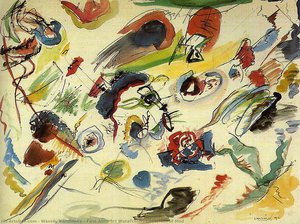
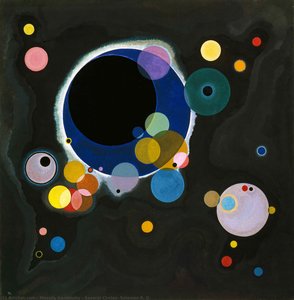
Improvisation 7
Reprodukcijos matmenys
“Jazz Improvisation” is a vibrant and dynamic artwork by the pioneering Russian painter Wassily Kandinsky. Created in 1922 during his time in Germany, this piece exemplifies Kandinsky’s exploration of abstraction as a means to express inner spiritual realities through color and form. It's not a depiction of jazz music itself but rather an attempt to capture its energy, spontaneity, and improvisational nature visually.
Kandinsky was deeply influenced by music, believing that painting could evoke the same emotional responses as sound. He saw parallels between musical composition and visual art, using color and form in a way analogous to melody and harmony. “Jazz Improvisation” emerged during a period of significant artistic experimentation following World War I. The rise of jazz music itself, with its improvisational nature and syncopated rhythms, resonated with Kandinsky’s own artistic philosophy. He was fascinated by the idea of spontaneous creation and sought to translate this into his paintings.
Kandinsky's style in this period is characterized by a loosening of form and an increased emphasis on color as a primary expressive element. He moved away from representational imagery, focusing instead on creating compositions that were purely visual experiences. The painting reflects the influence of Bauhaus principles, emphasizing geometric shapes and dynamic arrangements.
While abstract, “Jazz Improvisation” is not devoid of symbolism. The swirling lines, intersecting planes, and vibrant colors create a sense of movement and energy that mirrors the improvisational nature of jazz music. The composition lacks a central focal point; instead, it’s a dynamic interplay of shapes and hues that draws the viewer's eye across the canvas.
“Jazz Improvisation” is designed to be an immersive experience for the viewer. It’s not about understanding a specific narrative but rather feeling the energy and emotion conveyed through color and form. The painting evokes a sense of spontaneity, freedom, and joyful chaos – qualities that are central to the jazz aesthetic.
Kandinsky's work challenged traditional notions of art, paving the way for abstract expressionism and influencing generations of artists. “Jazz Improvisation” stands as a testament to his innovative approach and his belief in the power of art to express profound spiritual truths through purely visual means. It remains a captivating example of how painting can transcend representation and become a powerful form of emotional communication.


1866 - 1944 , Rusija

Explore the vibrant world of Stuart Davis, a pioneer of American Modernism. Discover his jazz-inspired paintings, signature style & investment potential. Expert insights for art collectors.
Explore the fascinating history of music's visual representation in art! From ancient symbolism to modern abstraction, discover how artists have captured sound and emotion on canvas. Expert insights & stunning examples.

Explore the life & work of Arthur B. Davies, a pivotal figure in American Modernism. Discover his unique style, role in the 1913 Armory Show, and lasting influence on art history. Learn about collecting Davies' works.

Explore the vibrant world of Gene Davis and the Washington Color School. Discover his iconic stripe paintings, innovative techniques, and lasting impact on American abstract art. A deep dive for collectors & enthusiasts.

Explore the artistic brilliance of the Jazz Age! Discover Art Deco's influence, Modernism’s impact & iconic artists like Tamara de Lempicka. Find museum-quality reproductions and expert art consultation at Most-Famous-Paintings.


Sekite naujausias meno naujienas, išskirtinius pasiūlymus ir dekoravimo idėjas.
Pasakokite mums apie savo projektą, o mūsų meno ekspertai parengs jums 3 asmeniškus meno pasiūlymus.
Leiskite mums parinkti 3 variantus būtent jums – nemokamai!


 Peržiūrėti realybėje
 Pasidalinti
 Dalintis
 Išsamiau

 Atsisiųsti
 Panašūs eksponatai
 Rentgeno nuotrauka
 Automatinė diorama

 Skaityti daugiau







 Stiklo variantas prieinamas tik pasirinkus dydį iki 110 cm