x

 Oil On PaperAbstract Expressionism
 1947Modern
 91.0 x 61.0 cm
Muziejų lygio „giclée“ arba drobos spausdinimas: greita gamyba ir lankstios apdailos parinktys. ( Pirkti rankomis tapytą paveikslą Pirkti vaizdą)





























Pasirinkite iš mūsų nustatytų dydžių, atitinkančių originalaus meno kūrinio proporcijas.

Galite nurodyti savo matmenis, kad vaizdas atitiktų konkretų rėmą ar erdvę. Jei pasirinktas dydis nesutaps su originalaus paveikslėlio proporcijomis, mes arba apkirpsime kūrinį, arba išplėsime vaizdą naudojant veideliu atspindėtą arba vientisą šoną. Skaitmeninis maketas bus išsiųstas jums patvirtinti prieš pradedant gamybą.
Atkreipkite dėmesį, kad ekrane matomas vaizdinys neatspindi tikrojo apkirpimo ar išplėtimo. Tik maketas tiksliai parodytų galutinę kompoziciją.
Nors galima rinktis ir individualius dydžius, rekomenduojame pasirinkti vieną iš išanksti nustatytų matmenų, kad būtų išlaikytos originalios proporcijos.
Pristatymas visame pasaulyje () per 2 weeks, o ne įprastas 4/5 savaičių laikotarpis. (20 rugpjūtis)


Zurich
Reprodukcijos matmenys
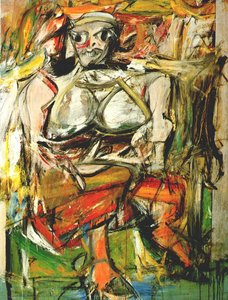
In the annals of mid-century modernism, few works capture the raw, unbridled energy of the post-war era quite like Willem de Kooning’s “Zurich.” Painted in 1947, this masterpiece serves as a profound testament to the dawn of Abstract Expressionism. Rather than offering a literal window into a Swiss cityscape, the work presents a psychological landscape—a swirling, monochromatic vortex that speaks to the fractured consciousness of a world recovering from global upheaval. To gaze upon "Zurich" is to witness the very moment where traditional representation dissolves into pure, visceral emotion, making it an essential piece for any collector seeking to anchor a space with intellectual depth and historical gravity.
< p>The technical brilliance of "Zurich" lies in its mastery of Action Painting. De Kooning does not merely apply paint; he engages in a physical struggle with his medium. Utilizing a striking palette of black, white, and grey, the artist employs thick, impasto brushstrokes that create a sculptural, textured surface. These energetic gestures are layered with an almost rhythmic abandon, where bold lines intersect with amorphous, organic shapes. The composition eschews conventional perspective, instead utilizing the tension between geometric squares and fluid, bleeding forms to generate a sense of depth. For the interior designer, this creates a captivating focal point that offers a sophisticated, monochromatic elegance capable of complementing both minimalist contemporary settings and more eclectic, avant-garde environments.Beyond its striking visual impact, "Zurich" resonates with a deep symbolic complexity. While the title may suggest a specific location, the painting functions as an exploration of memory and displacement. The fragmented figures—subtle hints of faces or limbs partially obscured by heavy enamel—suggest a psychological portrait of modern life, characterized by movement, uncertainty, and the beautiful chaos of existence. There is a restless, searching quality to the work that mirrors de Kooning’s own journey from the commercial art studios of Rotterdam to the vanguard of the New York School.
For those looking to acquire a high-quality reproduction, "Zurich" offers more than just aesthetic beauty; it provides an emotional atmosphere. It is a piece that invites contemplation, prompting viewers to find order within the chaos and meaning within the abstraction. Whether displayed in a private gallery or as a commanding statement in a curated living space, this work brings with it the spirit of a revolutionary era, embodying the timeless human desire to break free from constraints and express the unspeakable through the power of pure form.

1904 - 1997 , Nyderlandai
Atraskite 25 ikoniškiausius Roy Lichtenstein darbus – poparto meno šedevrus, spalvingus paveikslus ir įkvepiančią interjero dekoravimo idėjas. Meno reprodukcijos aukščiausia kokybe | Most-Famous-Paintings.com
Atraskite 25 įspūdingiausius Mark Rothko kūrinius! Gilinkitės į abstraktaus meno spalvų laukus, ekspresionizmą ir jaustmingas tapybas. Meno reprodukcijos aukščiausia kokybe – Most-Famous-Paintings.com
Most-Famous-Paintings.com – aukštos kokybės individualizuoti meno kūriniai viešbučio interjerui. Patikimi partneriai, rankų darbo tapyba, Photo-to-Painting paslauga ir nemokamos konsultacijos. Sukurkite unikalų viešbučio stilių!
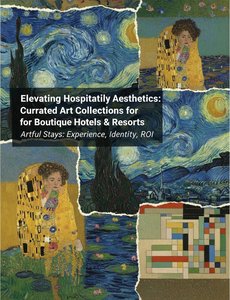
Atraskite meno kuravimo strategijas viešbučio identitetui! Ekspertai patars, kaip sukurti unikalų interjerą, pritraukti svečius ir palikti neišdildomą įspūdį. Kokybiškos reprodukcijos ir individualūs užsakymai.

Atraskite 10 legendinių surrealizmo kūrinių! Salvadoris Dali, René Magritte ir kiti meistrai – jų meno istorija bei įkvėpimas. Puikios dailės reprodukcijos interjerui | Most-Famous-Paintings.com


Sekite naujausias meno naujienas, išskirtinius pasiūlymus ir dekoravimo idėjas.
Pasakokite mums apie savo projektą, o mūsų meno ekspertai parengs jums 3 asmeniškus meno pasiūlymus.
Leiskite mums parinkti 3 variantus būtent jums – nemokamai!


 Peržiūrėti realybėje
 Pasidalinti
 Dalintis
 Išsamiau

 Atsisiųsti
 Panašūs eksponatai
 Rentgeno nuotrauka
 Automatinė diorama
 Skaityti daugiau







 Stiklo variantas prieinamas tik pasirinkus dydį iki 110 cm