


x

 Pirkti atspaudą Pirkti skaitmeninį paveikslą
 Pasidalinti
 Išsamiau
 Pridėti į mėgstamiausius
 Atsisiųsti
 Panašūs eksponatai
 Rentgeno nuotrauka
 Automatinė diorama
Rankiniu būdu tapytas aliejus ant droblio jūsų pageidaujamame dydį ir rėmuose – mūsų menininkų darbas pagal užsakymą.





























Pasirinkite iš mūsų nustatytų dydžių, atitinkančių originalaus meno kūrinio proporcijas.

Galite įvesti savo matmenis, kad jie atitiktų konkretų rėmą ar erdvę. Jei pasirinktas dydis neatitinka originalaus paveikslėlio proporcijų, mes arba apkropsime meno kūrinį, arba papildysime tapybą rankomis dažytい elementais. Prieš pradėdami gamybą, jūsų patvirtinimui atsiųsime skaitmeninį maketą.
Atkreipkite dėmesį, kad ekrane rodomas vaizdas neatspindi tikrojo apkarpymo ar papildymo. Tik maketas tiksliai parodys galutinę kompoziciją.
Nors galima rinktis ir individualius dydžius, rekomenduojame pasirinkti matmenis iš nustatytos sąrašo, kad būtų išlaikytos originalios proporcijos.
Pristatymas visame pasaulyje () per 3–4 savaites, o ne įprastai – per 5 savaites. (23 liepa). Kokybė lieka nepakeičiama.


Sowing
Reprodukcijos matmenys
William H. Johnson’s painting, Sowing (1942), transports the viewer into a sun-drenched tableau of rural existence. It is more than just a depiction of figures walking through the countryside; it is a vibrant narrative steeped in the resilience and enduring rhythm of agricultural life. The composition immediately draws the eye to the central grouping: a man on the left, a woman on the right, moving together with their donkey. They are laden not only with the tools of their trade—a plow visible among their belongings—but also with everyday necessities, suggesting a journey both literal and metaphorical.
Johnson employs a palette that sings with life. The colors are rich, saturated, and applied with a palpable energy that speaks to the artist's mastery of paint. One can almost feel the warmth of the sun beating down on this scene. Beyond the main subjects, the environment breathes through carefully placed details. In the background, a tree anchors the left side, lending depth, while the sky above is animated by the presence of two birds—one near the upper left corner and another drifting toward the center-right. These elements are not mere decoration; they are integral parts of the atmosphere, contributing to the overall dynamic and captivating quality of the piece.
Painted in 1942, this work emerges from a period of immense global tension, yet it grounds itself firmly in enduring American traditions. William H. Johnson’s own life—a journey marked by study in Paris and deep roots in African American culture—informs the symbolic weight carried within the canvas. While the scene depicts labor, there is an undercurrent of profound cultural continuity. The depiction of community effort, symbolized by the shared passage with the donkey, speaks to a collective perseverance that transcends the immediate historical moment.
The act of sowing itself carries universal symbolism: hope, renewal, and the promise of future harvest. The plow represents industry and the necessary work required for sustenance, while the pairing of man and woman suggests partnership—a harmonious collaboration essential to both farming and life itself. Johnson masterfully weaves together these elements, creating a visual poem about interdependence. For the collector or designer, this piece offers more than just decoration; it offers an infusion of grounded optimism, reminding us that beauty and strength are often found in the steady rhythm of shared effort.


1901 - 1970 , Jungtinės Amerikos Valstijos

Atraskite 25 įspūdingiausius Metropoliteno meno muziejaus kūrinius! Claude Monet, van Gogh ir kiti meistrai – paveikslų istorijos, spalvų paletės bei interjero dekoravimo idėjos. Meno reprodukcijos aukščiausia kokybe Most-Famous-Paintings.com

Explore 25 iconic Sir Alfred Munnings paintings! Discover the beauty of British Impressionism, equine art & rural England. Find museum-quality reproductions and elevate your home decor with Most-Famous-Paintings. Explore the full collection online.
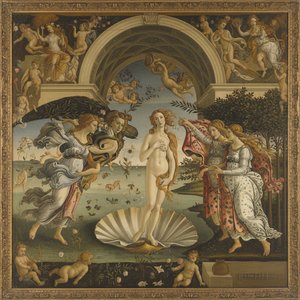
Atraskite 25 Sandro Botticelli šedevrus! Gilinkitės į Renesanso meno istoriją, Venus gimimą ir Primavera paslaptis. Meno reprodukcijos jūsų interjerui – Most-Famous-Paintings.com.
Atraskite 25 įspūdingiausius 'Alte Pinakothek' šedevrus! Renesanso ir Baroko paveikslai, Albrecht Dürer, Rembrandtas ir kiti garsūs menininkai. Įkvėpkite interjerui su aukštos kokybės reprodukcijomis – Most-Famous-Paintings.com
Atraskite 25 Nacionalinės galerijos meno perlus! Išsami istorija apie Monet, Picasso ir kitų žymiausių dailininkų kūrinius. Įkvėpimo interjerui ir aukštos kokybės meno reprodukcijos – Most-Famous-Paintings.com


Sekite naujausias meno naujienas, išskirtinius pasiūlymus ir dekoravimo idėjas.
Pasakokite mums apie savo projektą, o mūsų meno ekspertai parengs jums 3 asmeniškus meno pasiūlymus.
Leiskite mums parinkti 3 variantus būtent jums – nemokamai!


 Dalintis


 Skaityti daugiau







 Stiklo variantas prieinamas tik pasirinkus dydį iki 110 cm


