
Parduokite savo kūrybą
Trokimų sąrašas Prekių krepšelis Cart
x
Peržiūrėti realybėjePeržiūrėti realybėje Peržiūrėti ARPeržiūrėti AR Pirkti rankomis tapytą paveikslą Pirkti rankomis tapytą paveiksląPirkti vaizdą Pirkti vaizdą PasidalintiPasidalinti
IšsamiauIšsamiau Pridėti į mėgstamiausius Pridėti į mėgstamiausius AtsisiųstiAtsisiųsti Panašūs eksponataiPanašūs eksponatai Rentgeno nuotraukaRentgeno nuotrauka Automatinė dioramaAutomatinė diorama

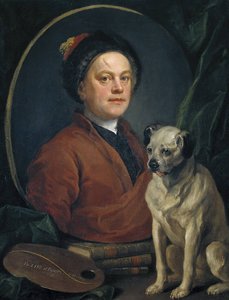
Self-Portrait with Pug-Dog

A contemplative Rococo self-portrait by William Hogarth featuring his beloved pug Trump amidst symbols of Enlightenment intellect, offering a rare glimpse into 18th-century London for collectors to explore and admire.

Viljamas Hogartas – žymus anglų dailininkas XVIII amžiaus, garsius dėl satirinių graviūrų ir istorinių paveikslų ciklus „A Harlot’s Progress“ bei „A Rake’s Progress“, kurie įvykdė revoluciją britiškoje dailėje. Jo kūriniai išraišką įgauna iš žymios estetikos ir istorinės reikšmės.

Giclée / Meno spausdinimas

Muziejų lygio „giclée“ arba drobos spausdinimas: greita gamyba ir lankstios apdailos parinktys. (Pirkti rankomis tapytą paveikslą Pirkti rankomis tapytą paveiksląPirkti vaizdą Pirkti vaizdą)

P118B $10
P118H $10
P118W $10
P438Z $10
P508JH $12
P508YH $12
P805H $10
P805Z $10
P919BZ $10
P919G $10
P919XJ $10
P959ZH $10
P968JZ $12
W106C $8
W218G $10
W218JH $8
W218Y $10
W307PJ $10
W316G $10
W316PJ $8
W316Y $10
W398PJ $8
W4111J $10
W500HY $15
W500JH $15
W692G $12
W849H $8
W940BG $15
W953PJ $8

Standard
custom
CM
INCH

Pasirinkite iš mūsų nustatytų dydžių, atitinkančių originalaus meno kūrinio proporcijas.

plotis
aukštis

Galite nurodyti savo matmenis, kad vaizdas atitiktų konkretų rėmą ar erdvę. Jei pasirinktas dydis nesutaps su originalaus paveikslėlio proporcijomis, mes arba apkirpsime kūrinį, arba išplėsime vaizdą naudojant veideliu atspindėtą arba vientisą šoną. Skaitmeninis maketas bus išsiųstas jums patvirtinti prieš pradedant gamybą.
Atkreipkite dėmesį, kad ekrane matomas vaizdinys neatspindi tikrojo apkirpimo ar išplėtimo. Tik maketas tiksliai parodytų galutinę kompoziciją.
Nors galima rinktis ir individualius dydžius, rekomenduojame pasirinkti vieną iš išanksti nustatytų matmenų, kad būtų išlaikytos originalios proporcijos.

Pristatymas visame pasaulyje () per 2 weeks, o ne įprastas 4/5 savaičių laikotarpis. (21 rugpjūtis)

why_choose_icon
Nemokamas greitasis pristatymas visame pasaulyje
why_choose_icon
Aukštos kokybės lininis drobė
why_choose_icon
Pilnas siuntimo draudimas
why_choose_icon
Muitinės mokesčių grąžinimo garantija
why_choose_icon
Tikro spalvų atitikimo garantija
why_choose_icon
60 dienų grąžinimo politika (tik esant gamyklinėms defektams)
why_choose_icon
100% pinigų grąžinimo garantija
why_choose_icon
Nuolaida už kelias reprodukcijas

Visų darbų kaina

$ 68

reproduction

Self-Portrait with Pug-Dog

Giclée / Meno spausdinimas

Reprodukcijos matmenys

-

Galutinė kaina

$ 68

Trumpos informacija

  • Artist: William Hogarth
  • Subject or theme: Portraiture
  • Year: 1745
  • Influences: Classical Art
  • Artistic style: Satirical
  • Movement: Rococo
  • Location: Private Collection

Kolekcinio eksponato aprašymas

A Glimpse into the Soul of Georgian England

In the quiet, contemplative depths of William Hogarth’s 1745 masterpiece, Self-Portrait with Pug-Dog, we find much more than a mere likeness of the artist. This evocative canvas serves as a profound window into the intellectual and social landscape of Enlightenment London, an era defined by a delicate tension between burgeoning optimism and a simmering anxiety regarding morality and societal reform. As you gaze upon the figure of Hogarth, you are not simply looking at a man, but at a visual historian capturing the very essence of his age. The painting transcends the boundaries of traditional portraiture, offering an intimate encounter with a creator who was as much a satirist and social commentator as he was a master of the brush.

The composition invites the viewer into a space of quiet reflection, where the atmosphere is thick with the weight of thought and the warmth of companionship. There is an undeniable emotional resonance in the way Hogarth presents himself—not through the grand, sweeping gestures of aristocratic portraiture, but through a grounded, naturalistic presence that feels remarkably modern even centuries later. For the collector or the designer, this piece offers a sense of timelessness, bringing a sophisticated, scholarly air to any curated space.

The Elegance of Rococo Naturalism

Stylistically, the work is a brilliant embodiment of the Rococo period, yet it avoids the excessive frivolity often associated with the movement. Instead, Hogarth employs a masterful balance between delicate ornamentation and underlying seriousness. The palette is a masterclass in restraint, dominated by soothing tones of brown, cream, and ochre that create an atmosphere of contemplative calm. This muted color scheme allows the subtle highlights to perform their magic, drawing the eye toward the textures of fabric, the sheen of skin, and the weathered edges of books.

Technically, the painting showcases Hogarth’s ability to use smooth gradations and a restrained brushstroke to achieve a lifelike illusion. Rather than relying on dramatic, jarring contrasts, he utilizes soft transitions that lend the scene a refined elegance. This technique creates a sense of depth and three-dimensionality that makes the subject feel present in the room with you. For those seeking to incorporate fine art into an interior, the painting’s harmonious tones provide a versatile foundation that complements both classical and contemporary decor, adding a layer of historical texture and quiet luxury.

A Tapestry of Symbolism and Intellect

Every element within the frame has been carefully orchestrated to communicate Hogarth's identity and aspirations. The prominent inclusion of stacked books serves as a silent testament to his erudition, signaling his deep engagement with the intellectual debates of the Enlightenment. These volumes are not mere props; they represent the pursuit of virtue through reason and observation—ideals that were central to the Georgian era. Through these symbols, Hogarth establishes himself as a man of intellect and character.

Adding a touch of warmth and personality to this scholarly setting is the presence of his beloved pug, Trump. The dog’s distinctive features and loyal posture provide a charming contrast to the serious intellectual pursuits depicted in the background. This companionship softens the artist's persona, adding a layer of human vulnerability and affection that makes the portrait deeply relatable. To own a reproduction of this work is to possess a piece of history that celebrates the duality of the human experience: the pursuit of high intellect alongside the simple, profound joys of life.

Autoriaus biografija

William Hogarth (1697–1764)

William Hogarth, born into the bustling heart of 18th-century London in 1697, was more than just an artist; he was a visual historian, a keen observer of human nature, and a satirical commentator on the societal currents of his age. His life story is inextricably linked to the very fabric of England during a period of significant transformation – its burgeoning ambitions, underlying anxieties, and pervasive hypocrisies all finding potent expression in his remarkably detailed and often biting works. The son of a struggling Latin schoolmaster, Hogarth’s early experiences instilled within him both a love for learning and a sharp awareness of social inequalities, a foundation that would prove crucial to shaping his artistic vision. Initially apprenticed to an engraver, he quickly demonstrated a talent extending beyond mere technical skill; he possessed an innate ability to observe the nuances of human behavior and translate them into compelling visual narratives. However, he chafed against the constraints of traditional engraving, seeking a more expressive outlet for his burgeoning creativity. This led him to studies at both St Martin’s Lane Academy and under Sir James Thornhill, where he honed his skills in painting and composition, absorbing influences that would later inform his unique style.

Early Life and Influences

Young Hogarth's upbringing was marked by hardship. His father, Richard Hogarth, a teacher of Latin, faced considerable difficulties securing employment and endured imprisonment for debt between 1708 and 1712 – an experience that profoundly shaped William’s worldview and fueled his gritty portrayal of London life. He developed a fascination with sketching people he encountered on the streets, mirroring the artistic sensibilities of artists like Pieter de Hooch and Rembrandt van Rijn. Hogarth's formative years instilled in him a deep appreciation for social justice and a critical eye for examining societal hypocrisy—values that would permeate his oeuvre throughout his career. Recognizing the transformative potential of observation, Hogarth embraced painting as a medium for conveying complex ideas and emotions, drawing inspiration from the monumental canvases of Sir James Thornhill, whose daughter he married in 1729. This union solidified his connection to the artistic establishment and provided him with invaluable guidance during his artistic development. He was particularly captivated by Thornhill’s masterful technique—a synthesis of realism and grandeur—which served as a cornerstone for Hogarth's own stylistic innovations.

The Birth of Modern Moral Subjects

Hogarth’s true genius lay not simply *what* he painted, but *how*. He pioneered what he termed “modern moral subjects”—series of pictures designed to tell a story, often imbued with a strong satirical edge. These weren't isolated portraits or landscapes; they were visual novels unfolding before the viewer’s eyes, offering pointed commentary on contemporary society. A Harlot’s Progress, created in 1742, stands as perhaps his most iconic achievement—a meticulously crafted chronicle of Mary Burton’s descent into prostitution and its devastating consequences. Each scene is rendered with painstaking detail, populated by archetypal figures that embody the moral failings prevalent within London's social strata. The series exemplifies Hogarth’s commitment to confronting uncomfortable truths about human behavior and societal corruption—a stance reflected in his unflinching depictions of poverty, vice, and despair. Similarly, A Rake’s Progress, begun in 1733, chronicles the ruinous trajectory of Tom Rakewell—a wealthy gentleman consumed by gambling addiction and hedonistic indulgence. Like *A Harlot's Progress*, this series transcends mere narrative storytelling; it serves as a potent indictment of aristocratic excess and moral decay.

Technique and Artistic Style

Hogarth’s artistic style was characterized by a masterful fusion of diverse influences—primarily Dutch genre painting and French satirical prints. He skillfully blended realism with dramatic flair, capturing the psychological complexities of his subjects with remarkable sensitivity. His technique revolved around a distinctive cross-hatching method—a meticulous layering of lines that created depth and texture—yielding results that rivaled those of Rembrandt van Rijn. This painstaking approach demanded considerable patience and precision, reflecting Hogarth’s unwavering dedication to achieving artistic excellence. Beyond visual artistry, he drew inspiration from literary works, notably Jonathan Swift's satirical prose, which honed his ability to convey moral judgments through narrative form. He believed that art should serve as a catalyst for social reform—challenging viewers to confront ethical dilemmas and fostering empathy for marginalized communities. Hogarth’s unwavering conviction in this principle underpinned his artistic endeavors and cemented his legacy as one of England's foremost satirists and visual innovators.

Legacy and Enduring Influence

William Hogarth died in 1764, leaving behind a profound impact on British art history—a legacy that continues to inspire artists and scholars alike. He is universally recognized as the progenitor of political cartooning and comic strip illustration—establishing a precedent for conveying social critique through visual storytelling. Artists such as James Gillray and George Cruikshank embraced Hogarth’s stylistic precepts, perpetuating his tradition of biting satire and unwavering moral conviction. As Charles Lamb eloquently articulated, “Hogarth's images are like books to be read rather than merely looked at,” encapsulating the enduring significance of his work—a testament to its ability to provoke thought, stimulate debate, and illuminate the human condition. Hogarth’s paintings remain treasured masterpieces—celebrated for their artistic brilliance and their unflinching portrayal of Victorian society. He demonstrated that art could simultaneously entertain and enlighten—challenging audiences to grapple with ethical dilemmas and fostering a critical awareness of social injustices. His enduring influence testifies to his unwavering commitment to artistic integrity and his profound understanding of the human psyche.
Viljamas Hogartas

Viljamas Hogartas

1697 - 1764 , Didžioji Britanija

Trumpa informacija

  • Artistic Movement Or Style: Satire, Realizmas
  • Artists Who Influenced This Artist:
    • Pieter de Hooch
    • Jonathan Swift
  • Date Of Birth: 1697
  • Full Name: William Hogarth
  • Nationality: Anglų
  • Notable Artworks:
    • A Harlot's Progress
    • A Rake's Progress
  • Place Of Birth: Londone
Tyrinėkite meno kūrinius, suskirstytus pagal temas, stilius ir savybes.




































