x

 Oil On CanvasWallArtRealism Portraiture
 182719th Century
 98.0 x 85.0 cm
Muziejų lygio „giclée“ arba drobos spausdinimas: greita gamyba ir lankstios apdailos parinktys. ( Pirkti rankomis tapytą paveikslą Pirkti vaizdą)





























Pasirinkite iš mūsų nustatytų dydžių, atitinkančių originalaus meno kūrinio proporcijas.

Galite nurodyti savo matmenis, kad vaizdas atitiktų konkretų rėmą ar erdvę. Jei pasirinktas dydis nesutaps su originalaus paveikslėlio proporcijomis, mes arba apkirpsime kūrinį, arba išplėsime vaizdą naudojant veideliu atspindėtą arba vientisą šoną. Skaitmeninis maketas bus išsiųstas jums patvirtinti prieš pradedant gamybą.
Atkreipkite dėmesį, kad ekrane matomas vaizdinys neatspindi tikrojo apkirpimo ar išplėtimo. Tik maketas tiksliai parodytų galutinę kompoziciją.
Nors galima rinktis ir individualius dydžius, rekomenduojame pasirinkti vieną iš išanksti nustatytų matmenų, kad būtų išlaikytos originalios proporcijos.
Pristatymas visame pasaulyje () per 2 weeks, o ne įprastas 4/5 savaičių laikotarpis. (21 rugpjūtis)


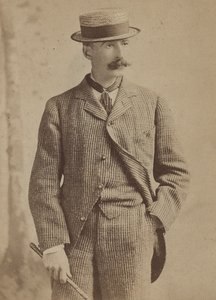
John Smith Warner (?)
Reprodukcijos matmenys
Winslow Homer’s “John Smith Warner (?)” offers a captivating glimpse into the social landscape of early 19th-century America, rendered with the meticulous detail characteristic of his artistic journey. Executed in 1827, this black and white portrait presents a gentleman of considerable presence – a man defined by his attire and contemplative gaze. The painting’s stark monochrome palette amplifies the subject's dignified bearing, drawing attention to the textures of his dark suit and the carefully rendered lines of his beard and mustache. The subtle shift in focus, as if he is engaged in an unseen conversation or observing the world around him, imbues the image with a quiet sense of mystery and invites the viewer to imagine the narrative unfolding beyond the canvas.
“John Smith Warner (?)” reflects the social and cultural values of Boston society in the 1820s, a period marked by burgeoning commercial activity, rising literacy rates, and a growing emphasis on civic virtue. The gentleman depicted embodies the aspirations of the middle class – educated, respectable, and engaged with the affairs of his community. The suit itself, a symbol of status and professionalism, speaks to the increasing importance of commerce and industry in shaping American identity. This portrait offers a valuable window into the lives and appearances of those who were shaping the nation’s future.
Despite the lack of a confirmed sitter's name – hence the question mark in the title – the painting resonates with a profound sense of quiet dignity. The man’s averted gaze suggests introspection, perhaps a moment of contemplation or a private thought. The overall effect is one of understated elegance and timeless appeal. This reproduction allows us to connect with a pivotal moment in American art history, appreciating Homer's unique vision and his ability to capture the essence of human character within a specific historical context. The painting’s enduring power lies not just in its technical skill but also in its capacity to evoke a sense of nostalgia for a bygone era.

1836 - 1910 , JAV

Explore the profound history of American Regionalism. Discover how Grant Wood captured the heart of the Midwest through masterpieces like American Gothic. An expert guide to the movement, its cultural impact, and the enduring beauty of American Realism.

Explore the profound artistry of black and white photography. From the chemistry of gelatin silver to the chiaroscuro of the Old Masters, discover how monochrome captures the eternal essence of light, form, and emotion for the discerning art collector.


Sekite naujausias meno naujienas, išskirtinius pasiūlymus ir dekoravimo idėjas.
Pasakokite mums apie savo projektą, o mūsų meno ekspertai parengs jums 3 asmeniškus meno pasiūlymus.
Leiskite mums parinkti 3 variantus būtent jums – nemokamai!


 Peržiūrėti realybėje
 Pasidalinti
 Dalintis
 Išsamiau

 Atsisiųsti
 Panašūs eksponatai
 Rentgeno nuotrauka
 Automatinė diorama
 Skaityti daugiau







 Stiklo variantas prieinamas tik pasirinkus dydį iki 110 cm